
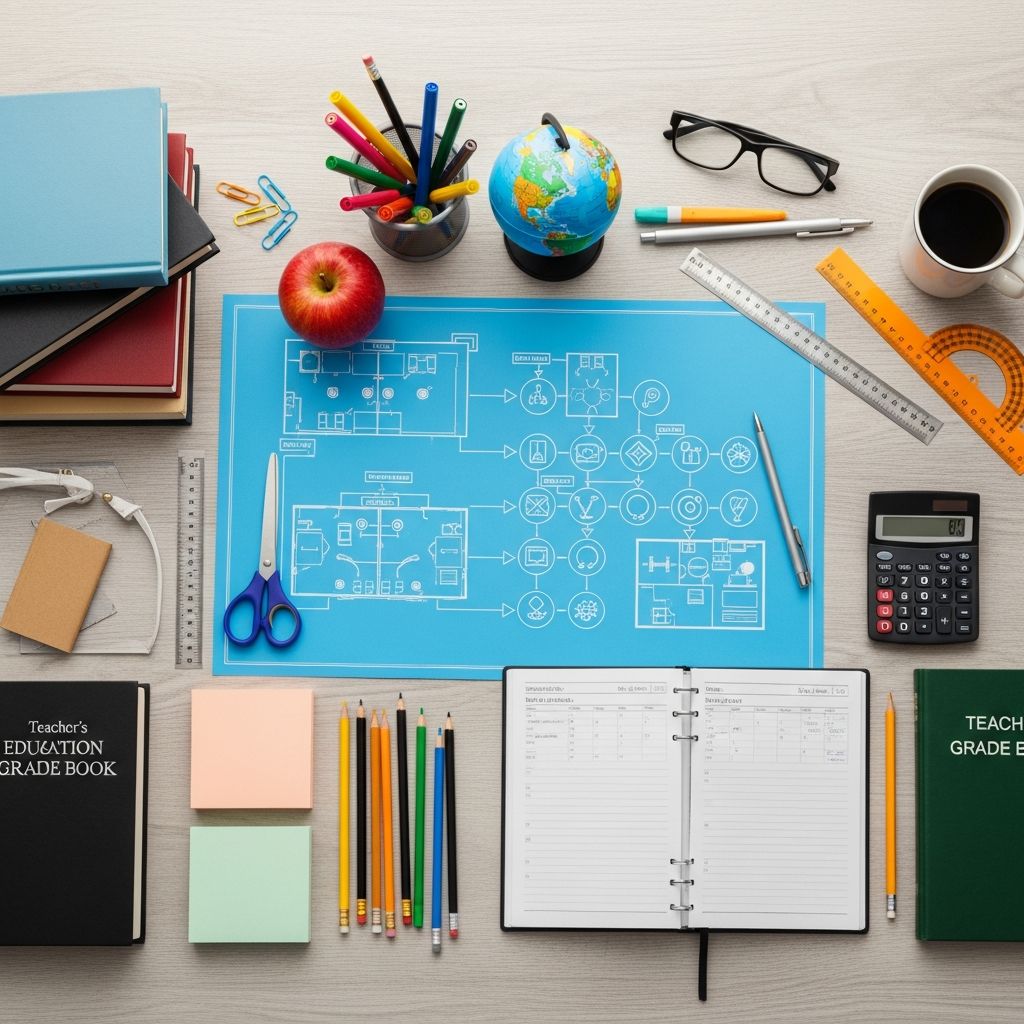
The transition from summer break to the school year demands thoughtful preparation from educators. This guide outlines key steps to organize your space, craft dynamic lessons, establish routines, connect with families, and prioritize well-being, ensuring a strong start that benefits both teachers and students.
Assessing Last Year’s Lessons for Growth
Begin by reviewing the previous academic year to identify strengths and areas for improvement. Reflection helps refine teaching practices and sets a foundation for enhanced performance. Consider journaling about successful strategies, challenging moments, and student feedback to inform your upcoming plans.
Analyze what engaged students most—perhaps interactive projects or technology integration—and note what fell short, like pacing issues or resource gaps. This process, recommended by educational experts, builds confidence and targets improvements effectively.
- Review student assessment data to spot trends in achievement.
- Evaluate classroom management techniques for better flow.
- Gather input from colleagues or mentors on observed practices.
By dedicating time to this step early, you create a personalized roadmap that aligns with curriculum goals and student needs.
Designing an Efficient Classroom Layout
A well-organized classroom promotes smooth transitions and maximizes learning time. Start by decluttering and inventorying supplies, testing technology, and arranging furniture to support various activities.
Position desks in flexible groupings for group work, individual focus, or whole-class discussions. Ensure pathways are clear for movement and accessibility, including for students with diverse needs. Label storage areas clearly to streamline material access during lessons.
| Zone | Purpose | Key Features |
|---|---|---|
| Instruction Area | Direct teaching | Whiteboard, projector, teacher desk |
| Collaboration Space | Group activities | Flexible tables, markers, charts |
| Quiet Corner | Independent work | Bookshelves, cushions, noise-canceling tools |
| Supply Station | Resource access | Labeled bins, backups for tech failures |
Incorporate student input on layout where possible to foster ownership. Regularly test tech setups like projectors and charging stations to avoid first-day glitches.
Crafting Captivating Lesson Plans
Dynamic lessons spark curiosity and participation from day one. Develop a full-year overview aligned with standards, then detail the first week’s plans with engaging hooks, clear objectives, and varied methods.
Incorporate multimedia, hands-on tasks, and real-world connections to maintain interest. Prepare backups for early finishes or tech issues, such as printable worksheets or discussion prompts.
- Start with icebreakers to build rapport.
- Integrate differentiation for diverse learners.
- Build in assessments to gauge understanding early.
Pacing guides from district resources ensure coverage without overload. Tools like digital planners can automate creation and adjustments.
Establishing Routines and Behavioral Guidelines
Clear expectations create a predictable, safe environment. Introduce routines explicitly over the first weeks: arrival procedures, transitions, help-seeking signals, and dismissal protocols.
Model behaviors, practice repeatedly, and post visuals for reference. Consistency reduces disruptions and allows focus on content. Use positive reinforcement to encourage adherence.
For management, define 3-5 core rules co-created with students, emphasizing respect, responsibility, and readiness. Systems like class points or privileges motivate compliance.
Building Bridges with Families
Early family engagement strengthens support networks. Send personalized welcome messages outlining class goals, communication methods, and volunteer opportunities.
Set up platforms for updates, like apps or newsletters, and host open houses to share procedures. Address concerns proactively to align home-school efforts.
- Draft introductory emails with schedules and supply lists.
- Share cultural sensitivity in communications.
- Schedule conferences for individualized insights.
Accommodating Every Learner’s Needs
Diversity in classrooms requires inclusive planning. Review IEPs, 504 plans, and ELL supports ahead. Design flexible lessons with scaffolds like visual aids or extended time.
Foster belonging through culturally responsive materials and varied grouping. Monitor engagement to adjust in real-time.
Tech Integration and Troubleshooting
Leverage edtech for efficiency but prepare low-tech alternatives. Inventory devices, update software, and train on platforms like LMS or interactive tools.
Create hybrid lessons ready for any scenario, ensuring equity in access.
Prioritizing Educator Well-Being
Sustained energy demands self-care. Assemble a survival kit with essentials, plan comfortable attire, and schedule breaks. Daily reflection via journaling combats burnout.
- Stock healthy snacks and hydration reminders.
- Delegate tasks where possible.
- Build a support network of peers.
Boundaries like set work hours preserve balance.
First Week Action Plan
Structure day one around community-building: names, norms, and fun activities. Days two through five reinforce routines and preview content.
| Day | Focus | Activities |
|---|---|---|
| 1 | Get-to-know-you | Icebreakers, tour, expectations |
| 2 | Routines | Practice transitions, model help |
| 3 | Content intro | Engaging mini-lessons, groups |
| 4 | Collaboration | Team tasks, feedback loops |
| 5 | Reflection | Goal-setting, family outreach |
Frequently Asked Questions
What should I prioritize first in back-to-school prep?
Focus on reflection and organization to build a solid base before diving into lessons.
How do I learn student names quickly?
Use photos, seating charts, and games; practice daily for retention.
What’s essential for the first-day survival kit?
Include snacks, tissues, bandaids, extra pens, and backups.
How can I make routines stick?
Teach, model, practice, and reinforce consistently over weeks.
Tips for new teachers?
Over-prepare plans, seek mentorship, and embrace flexibility.
References
- 17 Ways To Prepare for K-12 Back-to-School Teaching Success — D2L. 2023. https://www.d2l.com/blog/teaching-and-learning-studio-17-ways-to-prepare-for-back-to-school-success-k-12-teachers-guide/
- The Ultimate First-Day-of-School Checklist for Teachers — Brisk Teaching. 2024. https://www.briskteaching.com/post/back-to-school-teacher-checklist
- 5 Back to School Teacher Tips That Will Save You Time and Sanity — Create Inspire Teach. 2025-05-27. https://createinspireteach.com/2025/05/27/back-to-school-teacher-tips/
- Back to School: Teacher Survival Guide — Stride PD Center. 2024. https://stridepdcenter.com/back-to-school-teacher-survival-guide/
- The Teacher’s Back-to-School Checklist: 10 Things to Prepare — Education World. 2023. https://www.educationworld.com/teachers/teachers-back-school-checklist-10-things-prepare-day-one
- Back To School Tips Every Teacher Needs — Caffeine Queen Teacher. 2023. https://caffeinequeenteacher.com/7-back-school-tips-every-teacher-needs/
- Back-to-School Checklists for Teachers — ExploreLearning. 2024. https://www.explorelearning.com/resources/insights/new-teacher-grades-checklists
- The First-Year Teacher’s Guide to Preparing for the School Year — Waterford.org. 2024. https://www.waterford.org/blog/first-year-teacher-tips/

- Integrated M.A. in Applied Linguistics, University of Hyderabad
- 5+ years in editorial, instructional, SEO, and research-based writing
Sneha is a relationships and lifestyle writer with a strong foundation in applied linguistics and certified training in relationship coaching. She brings over five years of writing experience to theskillvault, crafting thoughtful, research-driven content that empowers readers to build healthier relationships, boost emotional well-being, and embrace holistic living. Her writing and insights reflect the belief that beauty, happiness, and wellness…