
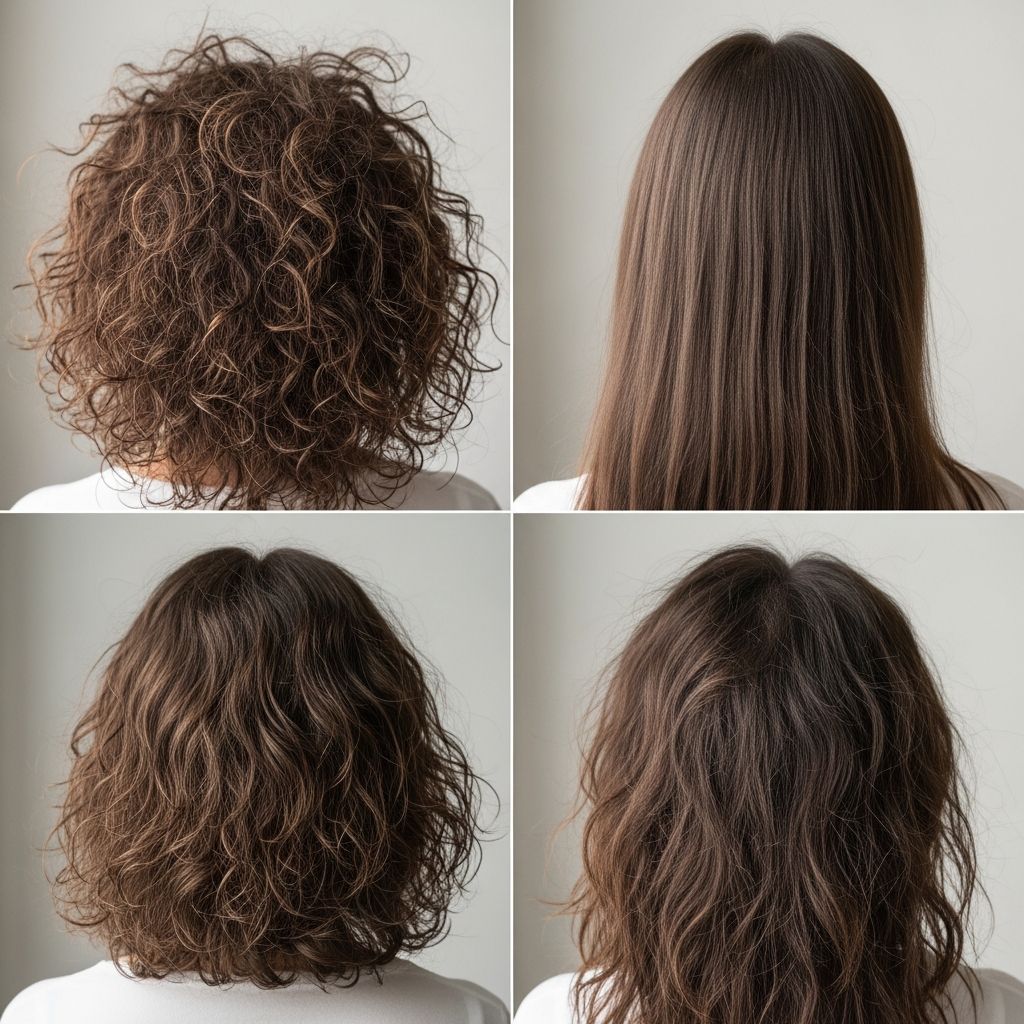
We’ve all experienced those mornings when our hair refuses to cooperate, no matter what we attempt. Whether humidity has wreaked havoc on your waves, your scalp feels greasy, or your strands simply lack their usual vitality, a difficult hair day can shake your confidence. The good news is that with the right techniques and styling knowledge, you can transform even the most stubborn hair into a polished, intentional appearance. This guide explores comprehensive strategies that work across different hair textures and lifestyles, ensuring you always have a solution at hand.
Understanding Why Hair Days Go Wrong
Before diving into solutions, it’s helpful to understand what creates a challenging hair day. Environmental factors like humidity, temperature changes, and wind patterns can disrupt your hair’s natural structure. Product buildup from regular styling, insufficient sleep, stress, and hormonal fluctuations can all contribute to lackluster appearance. Additionally, the natural progression of days between washes means your hair gradually accumulates oils and loses volume. Rather than viewing these situations as failures, consider them opportunities to explore different styling approaches that showcase your versatility. Many professional stylists actually prefer working with slightly textured hair, as it holds styling better than freshly washed strands.
Elevated Ponytail Variations: Beyond the Basics
The ponytail remains one of the most reliable solutions for managing difficult hair, yet most people default to the same basic approach. By exploring variations, you create options that transition seamlessly between professional settings and casual environments.
The Polished Low Ponytail
A sleek, low ponytail projects sophistication and control, making it ideal for work situations or formal occasions. Begin by applying a smoothing serum or gel to tame flyaways, then brush your hair back into a low position at the nape of your neck. The key to achieving that intentional, elegant appearance lies in eliminating bumps before securing your hair tie. If you have textured or curly hair, consider using a fabric scrunchie rather than a traditional elastic to prevent breakage and maintain hair health. You can intensify this look by gathering a small section from your ponytail and wrapping it around the base of your elastic, concealing the holder completely.
The Voluminous High Ponytail
For casual outings or creative environments, a high ponytail with intentional texture creates youthful energy. Create this look by gathering hair at your crown and using a light-hold product to maintain shape without appearing stiff. Gently tease sections of your ponytail to add dimension, then lightly brush over the teased areas to create controlled texture. This approach works particularly well when your hair already possesses natural waves or curls, as it celebrates rather than fights your hair’s inherent texture.
Bun Styles: The Versatile Rescue Option
Buns represent perhaps the most transformative solution for managing problematic hair, offering variations appropriate for virtually any situation. The beauty of bun styling lies in its ability to work with hair in various conditions—slightly oily, textured, or lacking volume.
The Structured Low Bun
This refined option suits professional environments and formal events. Gather your hair into a low ponytail, then twist or roll the length around the base to form a compact bun. Use bobby pins to secure any loose sections, and apply a light smoothing product to maintain a polished finish. This style effectively conceals problematic areas while projecting competence and put-togetherness.
The Textured Top Knot
The elevated top knot embraces intentional imperfection, making it perfect for creative industries or weekend activities. Flip your head forward and gather hair at your crown, creating height and movement. Secure loosely with a hair tie, then gently pull sections outward to create a fuller, softer appearance. This approach transforms flat or lifeless hair into something that appears deliberately styled.
The Stacked Bun Approach
For those with abundant hair or seeking dramatic flair, creating two stacked buns offers visual interest while effectively managing volume. This technique involves creating two separate buns at different heights, typically one toward the crown and one slightly lower. Gently pulling each bun outward creates that coveted spiky-messy aesthetic that appears effortlessly fashionable.
Braiding Techniques: Adding Texture and Interest
Braids transform challenging hair into intentional style statements, offering endless possibilities for customization and variation.
The Crown Braid Approach
A Dutch crown braid (braiding away from the scalp) or traditional crown braid creates visual interest while managing unruly sections. This technique works beautifully with undone, textured hair, as imperfection actually enhances the style’s appeal. Begin braiding from one side, working around the head toward the opposite side. The beauty of this option lies in its forgiving nature—loose, wayward strands contribute to the intentional messiness rather than detracting from it.
Side Braids and Twisted Details
For days when you lack time for intricate styling, a simple side braid offers elegance with minimal effort. Gather hair toward one side and loosely braid, securing the end with a small elastic. This approach works equally well with straight hair, waves, or curls, adapting to your hair’s natural state. Messy side twists provide an even quicker alternative, requiring only that you twist sections of hair and secure them into low ponytails.
Accessory Solutions: Strategic Styling Aids
Sometimes the most effective solution involves accessorizing strategically rather than completely reworking your hair.
Headbands for Taming and Framing
A well-chosen headband addresses multiple challenges simultaneously. Wide, padded headbands offer sophistication while keeping flyaways and texture contained. Stretchy fabric headbands provide a more casual, athletic appearance. The strategic placement of a headband can draw attention upward, potentially diverting focus from problematic areas while framing your face flatteringly.
Hat Selection for Full Coverage
When hair requires complete concealment, various hat options provide both coverage and style. Wide-brimmed hats offer dramatic flair appropriate for weekend outings or outdoor activities. Beanies deliver a laid-back aesthetic while providing warmth, making them practical choices during cooler months. Berets add European sophistication and allow selective hair display. Rancher or wide-brim straw hats contribute to trendy, effortless styling.
Texturizing Techniques: Building Volume and Movement
When hair appears flat or lifeless, strategic texturizing can restore dimension and visual interest.
Backcomb Teasing Methods
Gentle backcomb teasing at the roots creates lasting volume without damaging hair. Using a fine-tooth comb or specialized teasing brush, work small sections of hair near the crown, creating tiny knots that hold height. Lightly brush over the teased areas to create a refined appearance rather than the exaggerated look associated with 1980s styling. A light hairspray application between sections helps maintain the volume throughout your day.
Texturizing Sprays and Products
Specialized texturizing sprays add grip and dimension to slippery or flat hair. These products work by creating slight friction between hair strands, improving hold and creating the appearance of more voluminous hair. Apply sparingly to avoid creating a heavy or product-laden appearance, focusing on areas requiring the most lift.
Specialized Solutions for Different Hair Types
Managing Curly and Textured Hair
Curly hair presents unique challenges but also unique opportunities. Moisturizing leave-in sprays specifically formulated for curls refresh and reshape strands without requiring a complete wash. Protective gels designed for textured hair help define curls while controlling frizz. Braiding extensions or adding false hair elements can create the voluminous aesthetic many curlies desire while protecting natural hair from excessive manipulation on difficult days.
Fine Hair Considerations
Those with fine hair benefit from lightweight products that add texture without weighing strands down. Volume-building mousses or light sprays provide lift without heaviness. Creating styles that celebrate fine hair’s natural delicacy, such as wispy braids or loose waves, proves more successful than attempting heavy styles designed for thicker hair.
Quick Transformation Strategies
The Five-Minute Solution
When time is severely limited, a high messy bun with strategic texture proves nearly foolproof. Gather hair into a high ponytail, lightly tease, and secure into a bun shape. Pull sections outward gently for dimension. This approach requires only basic supplies and minimal skill while producing results that appear intentionally styled.
The Ten-Minute Polish
With slightly more time, create a low bun with framing pieces. Pull two small sections near your face free from your bun to create softness and draw attention upward. This variation suits professional environments while maintaining the quick-styling benefits of bun styles.
Building Your Rescue Kit
Keeping essential supplies accessible ensures you can execute these styles consistently. Maintain a collection of elastics in various weights and colors, bobby pins, a fine-tooth comb for teasing, a lightweight serum or gel, and hair spray. Including several headband options and considering clip-in ponytails or bun extensions provides backup solutions when natural hair particularly refuses cooperation. Organizing these supplies in an accessible location eliminates the frustration of hunting for necessary items during rushed mornings.
Frequently Asked Questions
Q: How can I prevent bad hair days from occurring so frequently?
A: While completely preventing difficult hair days isn’t always possible, you can minimize frequency by establishing consistent haircare routines, using quality products suited to your specific hair type, managing stress levels, and getting adequate sleep. Adjusting your styling techniques to work with your hair’s natural texture rather than against it also significantly reduces problematic styling days.
Q: Can I use these techniques with hair extensions or artificial hair additions?
A: Yes, many of these styles work beautifully with hair extensions or clip-in additions. In fact, adding volume through false pieces can be particularly helpful on days when your natural hair lacks dimension. Ensure any extensions you use complement your hair color and texture for the most seamless appearance.
Q: What’s the best way to prevent damage while styling difficult hair?
A: Always use gentle handling techniques and appropriate tools for your hair type. Fabric scrunchies are gentler than traditional elastics for all hair types. Avoid excessive teasing or pulling, and allow your hair regular breaks from styled looks. Using protective products before applying heat or styling products also minimizes damage.
Q: How long do these styles typically last throughout a day?
A: Most of these styles hold well for 8-12 hours, depending on your hair type, the products used, and environmental factors like humidity. Updo styles generally last longer than down styles, with buns and braids typically maintaining their appearance throughout an entire workday or outing.
Q: Are there options for very short hair?
A: Absolutely. Short hair benefits from headband styling, texturizing products, and hat options. Even very short hair can be slightly teased for volume or styled with texture-enhancing products. Accessorizing becomes particularly important for short hair on difficult days.
Final Thoughts: Embracing Your Styling Versatility
The most valuable lesson about managing challenging hair days involves recognizing that you have more options than you might initially imagine. Rather than viewing problematic hair as a limitation, consider it an opportunity to explore different styles and techniques you might not otherwise attempt. The strategies outlined here represent just the beginning of possibilities available to you. As you practice these techniques and discover which approaches work best with your specific hair type and lifestyle, you’ll develop confidence in your ability to manage virtually any hair situation. Remember that many of the most beautiful, intentional-looking hairstyles actually work better with slightly imperfect hair, so embrace the texture and movement your challenging hair provides. With these techniques in your styling repertoire, you’ll never again feel trapped by a difficult hair day.
References
- 12 Bad Hair Day Hacks and Hairstyles — L’Oréal Paris USA. 2025. https://www.lorealparisusa.com/beauty-magazine/hair-style/updo-and-bun-hairstyles/how-to-hide-a-bad-hair-day
- How to Fix a Bad Hair Day – 5 Ways — Sam Villa. 2025. https://www.samvilla.com/blogs/hair-tutorials/5-ways-to-fix-a-bad-hair-day
- Easy Hairstyles: 5 quick ideas to fix your bad hair days — NSS G-Club. 2025. https://www.nssgclub.com/en/beauty/42728/easy-hairstyles-5-quick-ideas-bad-hair-day

Medha Deb is an editor with a master's degree in Applied Linguistics from the University of Hyderabad. She believes that her qualification has helped her develop a deep understanding of language and its application in various contexts. Medha specializes in the areas of beauty, health, sports, and wellness and is committed to ensuring that the content on the website is…