
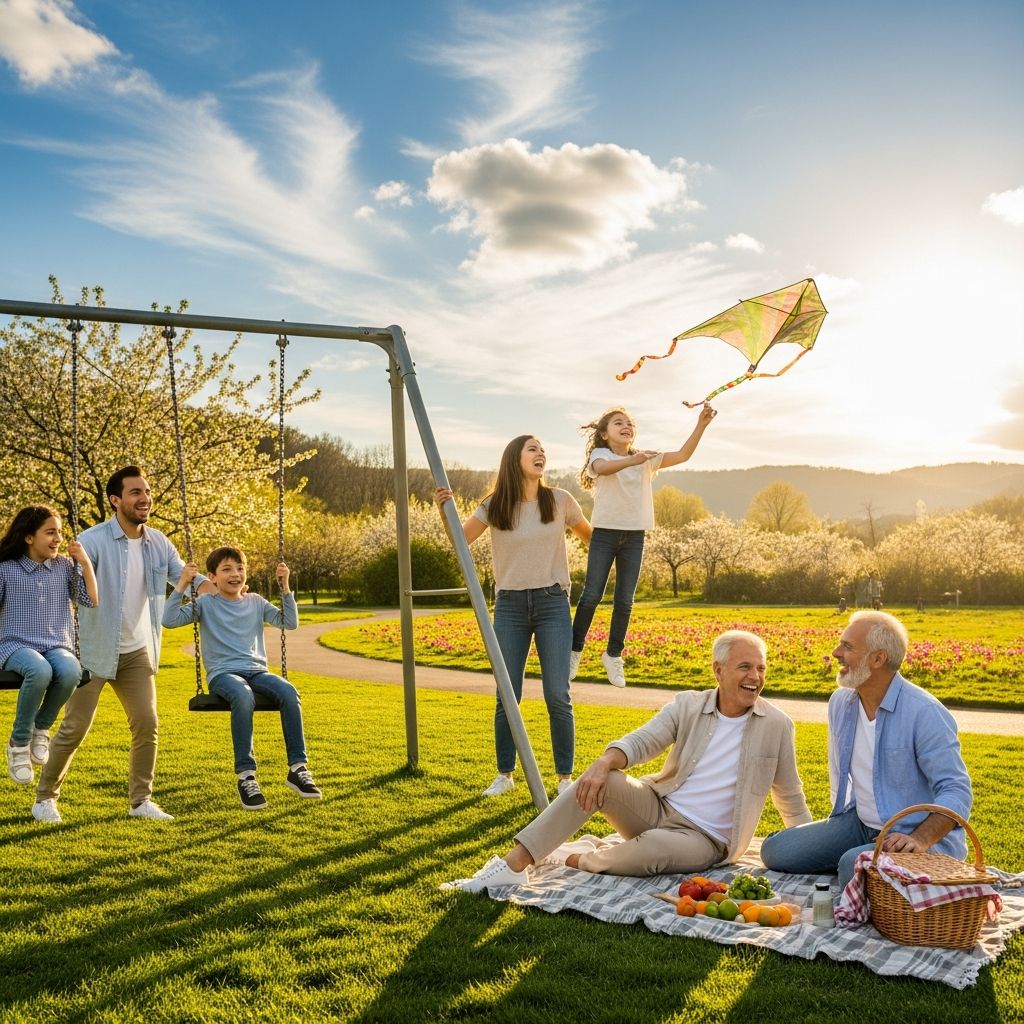
Engaging in outdoor activities as a family offers a multifaceted approach to improving overall well-being, from physical fitness to emotional closeness. These shared experiences in nature provide opportunities for movement, discovery, and connection that indoor routines often lack.
Enhancing Physical Vitality Through Nature
Outdoor pursuits naturally encourage a range of movements that build strength and endurance for family members of all ages. Activities such as trail walking, cycling, or casual games in the park promote cardiovascular health and muscle development, helping to counter sedentary lifestyles common in modern families.
Children, in particular, benefit from the diverse terrain outdoors, which challenges balance, coordination, and gross motor skills. Regular exposure to sunlight also aids in vitamin D production, essential for bone health and immune function. Families who prioritize these activities report lower instances of obesity and related conditions, as the freedom to run, climb, and explore fosters sustained physical engagement.
- Trail hikes improve endurance and leg strength.
- Park games enhance hand-eye coordination and agility.
- Fresh air supports respiratory health and energy levels.
Cultivating Mental Resilience and Joy
Nature’s calming environment significantly reduces stress hormones, leading to improved moods and better emotional regulation across the family unit. Time away from screens allows for mental restoration, with studies linking outdoor exposure to decreased anxiety and enhanced focus.
For children, unstructured play in natural settings stimulates problem-solving and perseverance. They learn to navigate obstacles, share resources, and adapt, skills that translate to academic and social success. Parents gain a sense of rejuvenation, modeling healthy coping mechanisms for their kids.
| Benefit | Impact on Children | Impact on Adults |
|---|---|---|
| Stress Reduction | Lower anxiety, better sleep | Improved mood, relaxation |
| Focus Improvement | Longer attention spans | Enhanced clarity, productivity |
| Creativity Boost | Imaginative play | Novel problem-solving |
Forging Deeper Family Connections
Shared outdoor adventures create irreplaceable moments that solidify relationships. Without digital interruptions, families engage in genuine conversations, laughter, and teamwork during activities like group scavenger hunts or picnic outings.
These interactions build trust and cooperation, as members support each other through challenges like steep paths or weather changes. Research indicates that such families experience higher satisfaction and fewer conflicts, attributing it to the unifying power of nature. Intergenerational play bridges age gaps, allowing grandparents, parents, and kids to bond over common joys.
Sparking Creativity and Cognitive Growth
The open-ended nature of outdoor environments ignites imagination. Children invent games using sticks, rocks, and trees, developing sensory awareness and innovative thinking. This sensory-rich play enhances brain development, fostering skills like observation and reasoning.
Families can amplify this by incorporating nature journaling or storytelling around campfires, turning play into educational fun. Such practices not only entertain but also instill a lifelong curiosity about the world.
Instilling Environmental Stewardship Early
Frequent outdoor time cultivates respect for the natural world. Children who explore ecosystems firsthand develop empathy for wildlife and plants, making them more likely to adopt sustainable habits as adults.
Family discussions about conservation during walks reinforce these values, creating a legacy of environmental awareness. Simple acts like picking up litter or observing bird behaviors plant seeds for responsible citizenship.
Practical Strategies for Family Outdoor Integration
Incorporating outdoor play doesn’t require grand plans. Start with short daily rituals, like after-dinner strolls or weekend park visits, gradually building to longer excursions.
- Schedule ‘nature breaks’ during homework time for quick refreshers.
- Pack healthy snacks for impromptu picnics to extend play sessions.
- Rotate activities to maintain excitement: biking one day, gardening the next.
Adapt for all abilities by choosing accessible trails or inclusive games, ensuring everyone participates. Weather shouldn’t deter; layered clothing and rain gear open up year-round opportunities.
Overcoming Common Barriers to Outdoor Play
Busy schedules and screen habits often sideline outdoor time, but small shifts yield big results. Set family challenges, like ‘no screens before sunset,’ to prioritize nature. Safety concerns ease with preparation: apply sunscreen, stay hydrated, and stick to known areas.
For urban families, local green spaces or community gardens suffice. The key is consistency, reaping cumulative benefits over time.
Long-Term Impacts on Family Dynamics
Families committed to outdoor routines report stronger resilience and adaptability. Shared triumphs over hikes or games build a narrative of unity, referenced in future challenges. Children carry these traditions forward, perpetuating cycles of health and connection.
Mental health gains persist, with lower risks of disorders linked to nature-deficient upbringings. Physically, habits formed young combat lifelong health risks.
FAQs
How often should families engage in outdoor activities?
Aim for daily short sessions or weekly longer outings to maximize benefits without overwhelming schedules.
Are outdoor activities suitable for all ages?
Yes, modify games and choose flat paths for inclusivity across generations.
What if we live in a city with limited nature access?
Urban parks, rooftops, or nearby trails provide ample opportunities for play.
Does bad weather prevent outdoor fun?
Dress appropriately; light rain or cooler days enhance adventure and teach adaptability.
Can outdoor play improve school performance?
Absolutely, through better focus, problem-solving, and reduced stress.
References
- The Importance of Family Time in Nature — Muddy Sneakers. 2024-07-11. https://muddysneakers.org/2024/07/11/family-time-in-nature/
- Outdoor Activities for a Healthy Family — PT Family Medicine. N/A. https://www.ptfamilymedicine.com/blog/outdoor-activities-for-a-healthy-family-a-guide-to-staying-active-together
- How Outdoor Play Builds Stronger Families — Churchich Recreation. N/A. https://blog.churchichrecreation.com/how-outdoor-play-builds-stronger-families
- Benefits of Outdoor Play for Kids — Miracle Recreation. N/A. https://www.miracle-recreation.com/blog/why-should-my-child-play-outside-benefits-of-outdoor-play-for-kids/
- 9 Benefits of Outdoor Play as a Family — Connections Academy. N/A. https://www.connectionsacademy.com/support/resources/article/benefits-of-outdoor-play-as-a-family/
- The Power of Outdoor Family Adventures — Adventure Treks. N/A. https://www.adventuretreks.com/blog/power-family-outdoor-adventures/
- Health Benefits and Tips — National Wildlife Federation. N/A. https://www.nwf.org/Kids-and-Family/Connecting-Kids-and-Nature/Health-Benefits-and-Tips

Medha Deb is an editor with a master's degree in Applied Linguistics from the University of Hyderabad. She believes that her qualification has helped her develop a deep understanding of language and its application in various contexts. Medha specializes in the areas of beauty, health, sports, and wellness and is committed to ensuring that the content on the website is…