
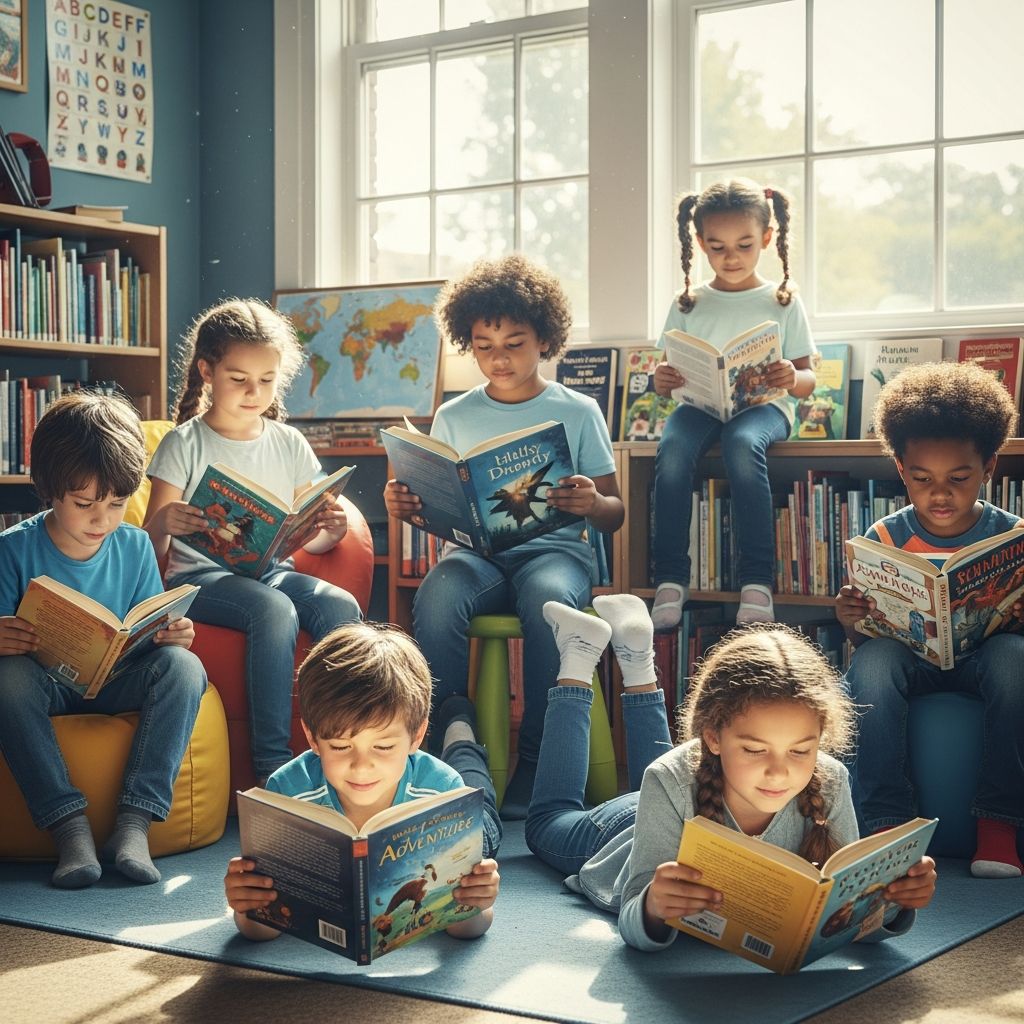
Elementary school years mark a pivotal time for developing reading skills and a passion for stories. With fresh 2026 releases, educators and parents have access to captivating titles that blend adventure, humor, and life lessons. This guide highlights standout books across reading levels, drawing from expert previews and early reviews to help select reads that engage young learners aged 5-11.
Why Reading Matters in Elementary Years
Regular reading exposure builds vocabulary, empathy, and critical thinking. Studies from the American Library Association emphasize that children who read daily perform better academically. New books like those previewed for 2026 offer diverse themes, from self-discovery to friendship, making literacy irresistible.
Picture Books for Budding Readers (Ages 4-7)
These visually stunning stories introduce concepts through illustrations and simple text, perfect for kindergarten and first grade.
- Bored by Felicita Sala (Neal Porter Books, Jan. 6): A magical tale of Rita’s boring day turning into an adventure, praised for whimsical illustrations that spark creativity.
- Crouton: One Cat’s Adoption Tale by Kristine A. Lombardi (Random House, Jan. 27): Heartwarming story of a cat’s journey to finding a forever home, ideal for discussing pets and emotions.
- The Wildest Thing by Emily Winfield Martin (Random House, Jan. 6): Celebrates unleashing inner wildness with gorgeous artwork, encouraging imagination in young children.
- Don’t Wake the Dragon (Candlewick, Jan. 6): Playful narrative with rhythmic text about a sleepy dragon, great for read-aloud sessions.
Picture books like these support early phonics while nurturing emotional growth, as noted in previews from major publishers.
Early Chapter Books for Growing Confidence (Ages 6-8)
Transitioning readers thrive on illustrated chapters that build stamina without overwhelming text.
- We Dig Fossils: Exciting non-fiction dive into paleontology, blending facts with fun illustrations for science enthusiasts.
- Love Makes Mochi (Jan. 27): A sweet story of family traditions and cooking, fostering cultural awareness.
- Topsy Opossum’s Pancake Surprise by Carrie Finison (G.P. Putnam’s Sons, Jan. 27): Humorous friendship tale involving winter wake-ups and baking.
These titles, highlighted in summer and indie lists, help kids tackle longer narratives independently.
Graphic Novels and Illustrated Adventures (Ages 7-9)
Visual storytelling appeals to reluctant readers, combining comics with rich plots.
| Title | Author/Illustrator | Key Theme | Age Range |
|---|---|---|---|
| Alice with a Why | Anna James, Matthew Land | Mystery and whimsy | 8-12 |
| Fustuk | N/A | Adventure | 6-9 |
| They Call Her Regret | N/A | Personal growth | 7-10 |
Graphic formats like Alice with a Why extend classic tales innovatively, earning spots on indie previews. Kirkus spotlights early 2026 gems for their dynamic panels.
Middle Grade Picks for Advanced Elementary (Ages 9-11)
Deeper narratives challenge fourth and fifth graders, introducing complex characters.
- The Skull: A Tyrolean Folktale: Retold folktale with eerie charm, building comprehension.
- The Green Piano: How Little Me Found Music: Inspirational music discovery story.
- To the Death (Feb. 10): Thrilling quest blending action and morals.
TeachingBooks recommends these for grades 2-4 extension, promoting discussion skills.
Incorporating Books into Classroom Routines
Integrate these reads via morning announcements, book talks, or literacy centers. Pair Bored with creativity prompts or We Dig Fossils with science units. Diverse authors ensure representation, aligning with CBC favorites.
Parent and Teacher Tips for Home Reading
- Schedule 20 minutes daily without screens.
- Discuss characters’ choices to build analysis.
- Visit libraries for indie next list titles.
- Track progress with reading logs inspired by ALA notables.
Summer lists from Brightly emphasize fun to prevent learning loss.
Frequently Asked Questions
What are the hottest new releases for 2026 elementary reading?
Standouts include Bored by Felicita Sala and The Wildest Thing by Emily Winfield Martin, topping indie and publisher previews.
How do I choose books by reading level?
Match age ranges: picture for 4-7, chapters for 6-8, graphic/middle grade for 7-11, per Kirkus and CBC guidance.
Are these books suitable for diverse classrooms?
Yes, selections feature varied cultures and experiences, like mochi-making in Love Makes Mochi.
Where can I find these 2026 titles?
Check indie next lists, publisher sites, or library previews for early access.
Why prioritize 2026 previews over classics?
Fresh releases reflect current trends and inclusivity, keeping reading exciting.
Building Lifelong Readers
These 2026 books transform elementary literacy from chore to joy. By selecting age-appropriate, engaging stories, adults empower kids to explore worlds through pages. Previews signal a year of innovation, from fossil digs to wild imaginations.
References
- Summer Reading List 2026: Books for Kids Ages 6–8 — ReadBrightly. 2026. https://www.readbrightly.com/summer-books-for-growing-readers/
- January/February 2026 Kids’ Indie Next List Preview — American Booksellers Association. 2026. https://www.bookweb.org/news/januaryfebruary-2026-kids%E2%80%99-indie-next-list-preview-1632432
- The Most Anticipated Kids’ & Young Adult Books of 2026 — Penguin Random House. 2026. https://www.penguinrandomhouse.com/the-read-down/kids-and-young-adult-coming-soon/
- Kids Favorites Lists — Children’s Book Council. 2026. https://cbcbooks.org/readers/searchable-reading-lists/kids-favorites-lists/
- We Love These Early 2026 Books for Young Readers — Kirkus Reviews. 2026. https://www.kirkusreviews.com/book-lists/we-love-these-early-2026-books-young-readers/
- Spring 2026 Children’s Teacher & Librarian Preview Archive — Simon & Schuster. 2026. https://www.simonandschuster.net/p/spring2026kidspreviewarchive
- Great Kids Can Read, 2025-2026, Grades 2-4 — TeachingBooks. 2025-2026. https://share.teachingbooks.net/QL8KHHQ
- Notable Children’s Books – 2026 — American Library Association. 2026. https://www.ala.org/alsc/awardsgrants/notalists/ncb

Medha Deb is an editor with a master's degree in Applied Linguistics from the University of Hyderabad. She believes that her qualification has helped her develop a deep understanding of language and its application in various contexts. Medha specializes in the areas of beauty, health, sports, and wellness and is committed to ensuring that the content on the website is…