
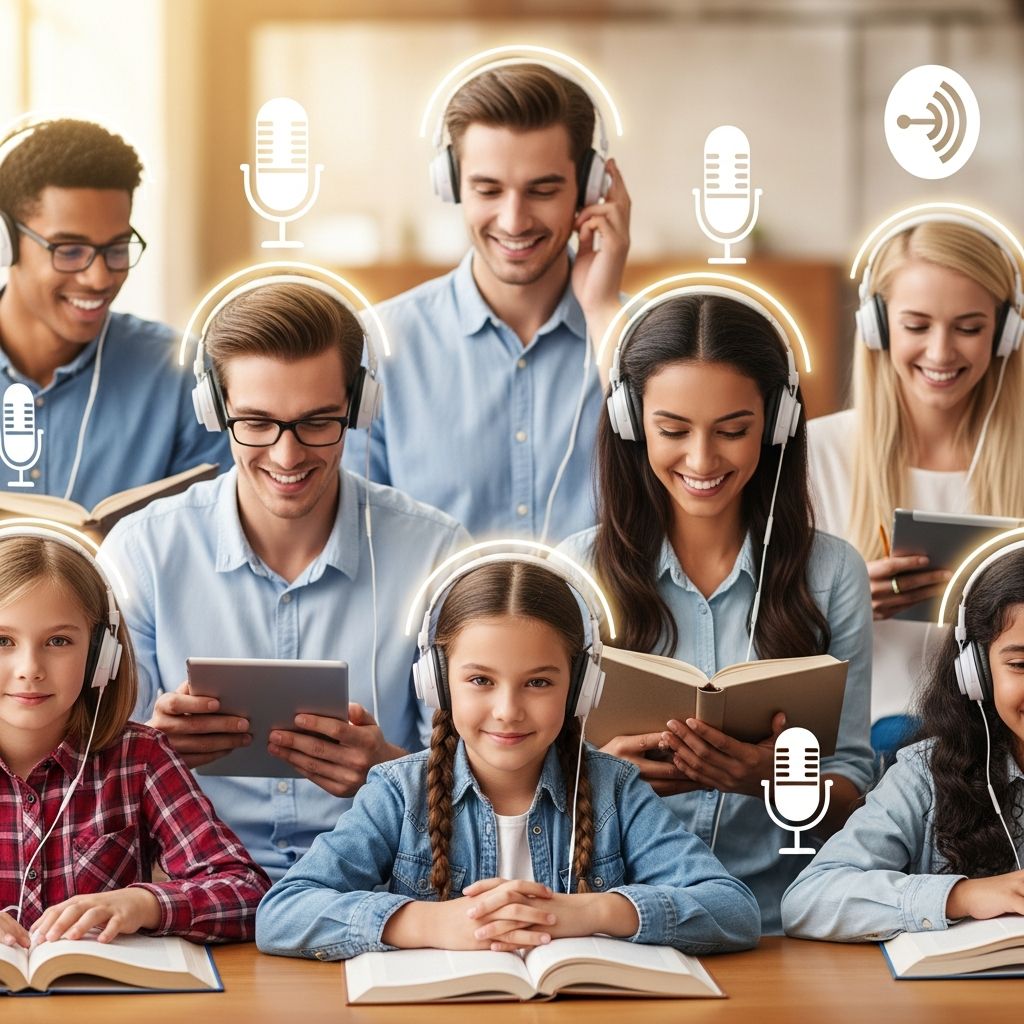
Educational podcasts have transformed how students absorb information, offering flexible, engaging audio content that fits into busy schedules. These shows cater to learners from early childhood through adolescence, blending entertainment with instruction on topics like science, history, literature, and life skills. Parents and educators can leverage them for supplemental learning, road trips, or quiet study sessions, promoting active listening and comprehension without screens.
Why Audio Learning Matters for Young Minds
Podcasts encourage auditory processing, a key skill in today’s multimedia world. They expose children to diverse accents, vocabulary, and storytelling techniques, enhancing language development and empathy. Research from educational bodies highlights how such audio resources improve retention by up to 20% compared to reading alone, as listeners visualize concepts mentally. For diverse learners, including those with reading challenges, podcasts level the playing field, making complex ideas accessible through narrative-driven episodes.
- Flexibility: Listen anytime, anywhere—perfect for commutes or chores.
- Engagement: Dynamic hosts and sound effects hold attention longer than textbooks.
- Inclusivity: Many offer transcripts or bilingual options for broader reach.
Podcasts Tailored for Preschool and Early Elementary
For the youngest learners, podcasts focus on wonder, basic concepts, and fun facts. These shows use simple language, songs, and adventures to introduce foundational knowledge without overwhelming tiny attention spans. Episodes typically run 10-20 minutes, ideal for bedtime routines or morning warm-ups.
Adventures in Alphabet and Animals
Shows like Quentin and Alfie’s ABC Adventures turn letter learning into exciting escapades. Young listeners follow characters solving puzzles tied to each alphabet letter, reinforcing phonics playfully. Similarly, Earth Rangers features explorer Emma uncovering animal superpowers worldwide, from stealthy octopuses to speedy cheetahs, igniting passion for wildlife conservation.
Science Sparks for Tiny Scientists
Imagine This prompts kids aged 4+ to ponder everyday phenomena, like why leaves change color or how rainbows form. With vivid soundscapes, it builds scientific inquiry habits early. Brains On! pairs adult hosts with child co-hosts to tackle quirky questions, such as “Why do we hiccup?” proving curiosity knows no age limit.
| Podcast | Age Group | Key Topics | Episode Length |
|---|---|---|---|
| Quentin and Alfie’s ABC Adventures | Preschool | Alphabet, stories | 10-15 min |
| Earth Rangers | Early Elementary | Animals, nature | 15 min |
| Imagine This | 4+ | Science basics | 10-20 min |
Elementary Explorations: Building Curiosity
As students enter elementary grades, podcasts deepen into structured lessons with quizzes and activities. They align with curricula like NGSS for STEM, making abstract concepts tangible through humor and real-world ties.
STEM Wonders and History Mysteries
Wow in the World dives into recent discoveries, from glowing sea creatures to space tech, with 20-25 minute episodes packed with experiments kids can replicate at home. Who, When, Wow! unravels historical enigmas via a nested podcast format, blending social studies with media literacy. Tumble Science Podcast for Kids delivers gross-out fun, like why boogers stick, available in Spanish for ELL support.
Storytelling with a Twist
Flip & Mozi celebrates Earth’s creatures through original songs, teaching life science via catchy tunes. Story Pirates brings kid-written tales to life with improv actors, fostering creativity. Six Minutes offers serialized suspense, hooking listeners on character-driven plots while sharpening inference skills.
- Bonus: Many include free teacher guides for classroom integration.
Middle School Mastery: Critical Thinking Boosters
Tweens benefit from podcasts challenging assumptions and debating ideas. These emphasize evidence, sourcing, and analysis, prepping for advanced academics.
Debate and Fact-Checking Fun
The Big Fib presents dueling stories—one true, one false—for listeners to judge, honing discernment in an era of misinformation. Smash Boom Best pits absurd topics like tacos vs. pizza in evidence-based battles, perfect for rhetoric units. Science VS dissects myths with research, ideal for budding skeptics.
Animal Insights and Nature Narratives
The Wild immerses in wildlife dramas, pairing well with ecology texts. 30 Animals that Made Us Smarter explores evolutionary hacks, soothing yet informative for study breaks.
| Podcast | Focus | Skills Developed |
|---|---|---|
| The Big Fib | Fact vs. Fiction | Critical thinking |
| Smash Boom Best | Debates | Argumentation |
| Tumble | Science | Comprehension |
High School Horizons: In-Depth Discussions
Teens crave relevance; these podcasts connect to careers, culture, and current events with sophisticated production.
History and Culture Deep Dives
Ben Franklin’s World examines early America through expert interviews, suiting AP history. Historically Black spotlights untold narratives, promoting inclusivity. Sidedoor from Smithsonian unveils artifact backstories, blending research with storytelling.
Innovation and Inspiration
How I Built This profiles entrepreneurs, motivating future innovators alongside Young Trep. National Geographic’s Overheard offers insider scoops on explorations, free and fascinating. Smologies breaks down sciences with experts, career-focused for college-bound students.
Cross-Age Favorites for Family Listening
Some gems transcend grades: Who Smarted? mixes potty jokes with profound facts. Circle Round adapts global folktales, teaching morals multilingually. Lore delivers eerie legends (preview for sensitivity), while Travel with Rick Steves ignites wanderlust—caution travel episodes for mature themes.
Practical Tips for Integrating Podcasts
To maximize impact:
- Pair with Activities: Follow episodes with discussions or journals.
- Classroom Use: TinkerClass provides free PBL projects tied to shows.
- Accessibility: Check platforms like Spotify Kids or Apple Podcasts for parental controls.
- Tracking Progress: Use quizzes from shows like The Past and the Curious.
Frequently Asked Questions (FAQs)
Are educational podcasts free?
Most top ones are, available on Spotify, Apple, or podcast apps. Premium content is rare.
How do podcasts help reluctant readers?
They build vocabulary and stamina through stories, easing into text later.
Can teachers assign podcasts?
Yes—many have standards-aligned guides for seamless curriculum fit.
What if a child dislikes listening?
Start short, fun episodes; involve them in choosing topics.
Are there podcasts for special needs?
Absolutely, with transcripts, slow pacing, and sensory-friendly options.
References
- 4 Fun Educational Podcasts for All Ages — My Tutor Source. 2023. https://ksa.mytutorsource.com/blog/4-fun-educational-podcasts-for-all-ages/
- Educational Podcasts for Students — Tinkercast. 2024-10-15. https://tinkercast.com/educational-podcasts-for-students/
- Epic List of Podcasts for the Classroom — Building Book Love. 2023-05-20. https://buildingbooklove.com/podcasts-for-kids-an-epic-list-of-activities-and-podcasts-for-school/
- Educational Podcasts for Students — TeachersFirst. 2025-01-10. https://www.teachersfirst.com/spectopics/educationalpodcasts.cfm
- The Best Educational Podcasts for Students of Every Age — Connections Academy. 2024. https://www.connectionsacademy.com/support/resources/article/best-educational-podcasts-for-students-of-every-age/

- Integrated M.A. in Applied Linguistics, University of Hyderabad
- 5+ years in editorial, instructional, SEO, and research-based writing
Sneha is a relationships and lifestyle writer with a strong foundation in applied linguistics and certified training in relationship coaching. She brings over five years of writing experience to theskillvault, crafting thoughtful, research-driven content that empowers readers to build healthier relationships, boost emotional well-being, and embrace holistic living. Her writing and insights reflect the belief that beauty, happiness, and wellness…