
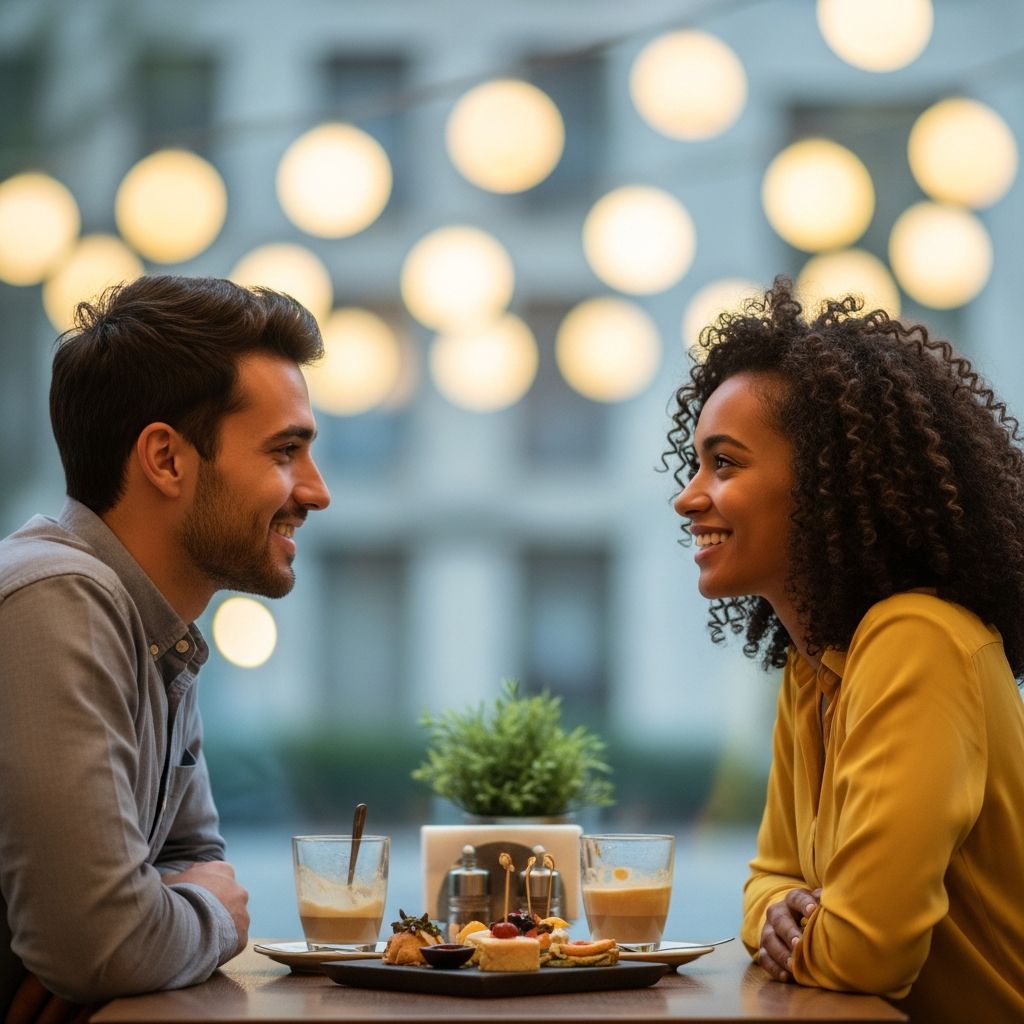
Setting the Foundation for a Meaningful First Meeting
The first date is a pivotal moment in any romantic pursuit. It marks the transition from digital or brief introduction to sustained, face-to-face interaction. Research on relationship formation suggests that the environment and activity chosen for a first date significantly influence comfort levels, conversation flow, and whether both parties feel motivated to pursue a second meeting. Unlike established relationships, first dates carry inherent pressure—both individuals are assessing compatibility, chemistry, and shared values simultaneously. The goal, therefore, is to select an activity that allows conversation to flourish naturally while reducing self-consciousness. This foundational principle should guide all first-date planning: choose experiences that facilitate genuine connection rather than forcing artificial intimacy.
Understanding the Psychology of Low-Pressure Environments
Psychologically, first-date anxiety stems from performance pressure—the fear of saying something wrong, appearing uninteresting, or failing to meet expectations. Activities that shift focus from conversation alone can alleviate this tension. When both individuals are engaged in a shared task or experience, the pressure to maintain constant dialogue diminishes. This creates natural conversation breaks and provides talking points that emerge organically from the activity itself. For instance, discussing a piece of art at a gallery or solving puzzles during an escape room provides built-in conversation starters that don’t rely on either person’s ability to fill silences. Understanding this psychological dynamic is essential for selecting dates that promote relaxation and authentic interaction.
Casual Outings That Balance Accessibility and Enjoyment
Casual date venues remain popular for good reason: they are accessible, affordable, and require no special preparation or skills. These options work particularly well for individuals who prefer to keep initial meetings brief or who want flexibility to extend the outing if chemistry exists.
Coffee and Café Experiences
A coffee date has become iconic for first meetings, yet it remains effective. The advantages are numerous: venues are abundant, costs are minimal, and the time commitment is flexible. One person can finish their beverage and depart within 30 minutes if the connection isn’t there, or a natural extension to a nearby meal or walk can occur if conversation is flowing. To elevate a standard coffee date, consider venues with character—specialty roasters with local acclaim, cafés with unique ambiance, or locations near parks or waterfronts that offer post-coffee activity options.
Ice Cream and Frozen Treats
An ice cream outing shares coffee’s benefits while adding a playful, nostalgic element. This option is particularly effective for reducing perceived pressure because the activity itself is associated with casual enjoyment rather than formal romance. Walking while enjoying ice cream provides a natural reason to move together through shared space, and the activity typically lasts 30–45 minutes—long enough for genuine conversation but short enough to feel manageable for those with dating anxiety.
Farmers Markets and Local Gatherings
Visiting a farmers market or street fair combines multiple engagement points: browsing vendor stalls, sampling foods, and observing crowds. These venues are inherently social and informal, which reduces the awkwardness of a one-on-one focus. Exploring together, asking each other about food preferences, and spontaneously deciding what to try next creates organic conversation and decision-making moments that reveal personality traits.
Interactive Experiences That Build Connection Through Shared Activity
Activities that require collaboration or friendly competition shift the dynamic from interrogation-style conversation to partnership. These experiences create shared memories and provide insight into how each person approaches challenges, handles frustration, and responds to playfulness.
Escape Rooms and Puzzle-Based Challenges
Escape rooms require teamwork, communication, and problem-solving under gentle pressure. This format naturally generates conversation because dialogue is necessary to progress. It also reveals how each person thinks, whether they remain calm under time pressure, and their ability to listen to and incorporate the other person’s ideas. The shared victory (or failure) of completing or not completing the room creates a bonding experience regardless of outcome.
Cooking and Culinary Exploration
Taking a cooking class together or preparing a meal at home creates an environment where productivity, collaboration, and light-hearted mistakes are built into the experience. Cooking requires coordination and provides multiple conversation opportunities—discussing food preferences, techniques, family recipes, or dietary backgrounds. If hosted at home, it adds intimacy without the formality of a restaurant setting.
Games and Competitive Play
Visiting an arcade, playing miniature golf, or trying a bowling alley removes pressure by making the primary focus the game rather than the relationship. These venues allow both individuals to relax, show competitive or playful sides of their personality, and laugh together. Friendly competition can be flirtatious and revealing without requiring vulnerability about feelings.
Cultural and Exploratory Outings
Venues focused on learning or appreciating culture naturally facilitate conversation because there is external content to discuss and explore.
Museums and Art Galleries
Art environments provide endless discussion material. Observing how someone responds to art—what they find beautiful, what they critique, how they interpret meaning—reveals aesthetic values and thinking style. Museums also allow for contemplative silence without awkwardness, as lingering before an artwork feels natural rather than uncomfortable.
Thrift and Antique Shopping
Browsing second-hand stores is inherently playful and low-stakes. Without pressure to purchase anything, both individuals can explore, make jokes about unusual items, and propose silly outfit combinations. This activity reveals sense of humor and creative thinking while allowing either person to suggest leaving whenever they wish.
Zoos, Aquariums, and Animal Experiences
Environments featuring animals provide natural talking points and opportunities to observe each other’s gentler side. Commenting on animal behavior, discussing pet ownership, or simply enjoying the visual stimulation of interesting creatures creates a relaxed, pleasant atmosphere that doesn’t demand constant conversation focus.
Outdoor and Adventure-Focused Activities
For individuals who feel more authentic in outdoor settings, physical activities can serve as excellent first-date venues.
Walking, Hiking, and Bike Rides
Movement-based outings have psychological benefits: physical activity reduces anxiety, and walking side-by-side (rather than face-to-face) can feel less intense than dining across a table. These activities work well for people who think more freely while in motion. Duration is flexible, and routes can be adjusted based on energy and enjoyment.
Scenic Viewing and Sunset Experiences
Watching a sunset or visiting a scenic overlook creates a naturally romantic atmosphere without requiring active participation. These moments allow for quieter connection and offer visual beauty that can inspire conversation or comfortable silence. Bringing beverages or snacks can extend the experience without formal structure.
Seasonal and Weather-Dependent Outings
Depending on climate and season, options like ice skating, sledding, or outdoor festivals provide festive environments where both individuals can enjoy shared seasonal joy. These venues combine activity with atmosphere, making them memorable and distinct from everyday experience.
Table: Comparing First-Date Approaches
| Date Type | Best For | Duration | Conversation Intensity | Budget |
|---|---|---|---|---|
| Coffee/Café | Quick assessment, flexible timing | 30–60 min | High | Low ($) |
| Ice Cream | Casual, playful connection | 30–45 min | Moderate | Low ($) |
| Escape Room | Teamwork, shared challenge | 60–90 min | Natural/task-driven | Moderate ($$) |
| Museum/Gallery | Intellectual engagement, aesthetics | 60–120 min | Flexible | Moderate ($$) |
| Hiking/Walk | Active individuals, outdoor lovers | 60–180 min | Relaxed | Free–Low ($) |
| Cooking Class | Food enthusiasts, hands-on learning | 90–150 min | Collaborative | Moderate–High ($$$) |
| Sunset Viewing | Romance, intimate connection | 30–90 min | Flexible/quiet | Free–Low ($) |
Personalizing Your First-Date Choice
The best first date is one that aligns with both individuals’ personalities and interests. Before selecting an activity, consider the following factors: Does your date enjoy intellectual stimulation, physical activity, or creative experiences? Are they more comfortable in structured or unstructured environments? Have they mentioned hobbies or passions that could inform venue selection? Showing that you’ve paid attention to details about their interests demonstrates thoughtfulness and can ease nerves by creating a familiar framework.
Additionally, consider your own comfort level. If you’re naturally anxious in formal restaurant settings, a casual activity will serve both of you better. Conversely, if you’re someone who thrives on thoughtful conversation, an environment with minimal distraction might be preferable. The date will feel most authentic when you choose an activity where you can be genuinely yourself.
Practical Logistics for First-Date Success
Beyond activity selection, successful first dates depend on practical planning. Choose a public venue if it’s a meeting with someone you’ve only known online. Communicate clearly about time, location, and expectations beforehand so neither person arrives confused or stressed. Plan transportation in advance—knowing whether you’ll drive, use public transit, or meet at the venue reduces anxiety. Arrive slightly early to settle in rather than appearing rushed.
During the date, put your phone away and focus on the other person. Make eye contact, listen actively, and ask follow-up questions that show genuine interest. If conversation lags, lean on the activity itself or move to the backup activity you’ve mentally prepared. Remember that awkward pauses are normal and don’t indicate disaster.
Frequently Asked Questions About First Dates
Q: How long should a first date last?
A: Ideal first dates last between 45 minutes to 2 hours. This timeframe is long enough to have genuine conversation but short enough that either person can suggest wrapping up without offense. If chemistry is strong, extending to a second activity happens naturally.
Q: Who should pay for the first date?
A: Modern dating favors several approaches: offering to split the bill, each person paying for their own items, or the person who initiated the date covering costs. Discuss or observe comfort levels, and don’t make payment a source of tension or performance pressure.
Q: What topics should I avoid on a first date?
A: Avoid controversial politics, religion (unless shared faith is relevant to both), detailed financial history, or negative past relationship commentary. Focus on interests, travel, books, career aspirations, and observations about the venue or activity.
Q: How do I know if there’s enough chemistry for a second date?
A: Chemistry isn’t always immediate. Look for signs: easy conversation flow, genuine laughter, curiosity about your life, and consistent engagement. If you both want to schedule another meeting, that’s often the clearest indicator.
Q: Should I plan a second activity as backup?
A: Yes. Mentally preparing a nearby alternative—a walk, a different café, or a scenic spot—means you’re ready to extend a great date or transition gracefully if the primary activity concludes early.
Q: Is it acceptable to suggest a home-based first date?
A: For safety, first meetings should occur in public venues. Once you’ve met in person and both feel comfortable, home-based activities like cooking or watching a film become appropriate options.
References
- Memorable First Date Ideas for 2026 — Ambiance Matchmaking. 2025. https://ambiancematchmaking.com/blog-articles/memorable-first-date-ideas/
- 130 Creative Date Night Ideas to Make Sparks Fly — Good Housekeeping. 2024. https://www.goodhousekeeping.com/life/relationships/a31405192/cute-romantic-date-ideas/
- 29 Chill Date Ideas That Take the Pressure Off Dating in 2026 — ClassPop. 2025. https://www.classpop.com/magazine/chill-date-ideas

- Integrated M.A. in Applied Linguistics, University of Hyderabad
- 5+ years in editorial, instructional, SEO, and research-based writing
Sneha is a relationships and lifestyle writer with a strong foundation in applied linguistics and certified training in relationship coaching. She brings over five years of writing experience to theskillvault, crafting thoughtful, research-driven content that empowers readers to build healthier relationships, boost emotional well-being, and embrace holistic living. Her writing and insights reflect the belief that beauty, happiness, and wellness…