
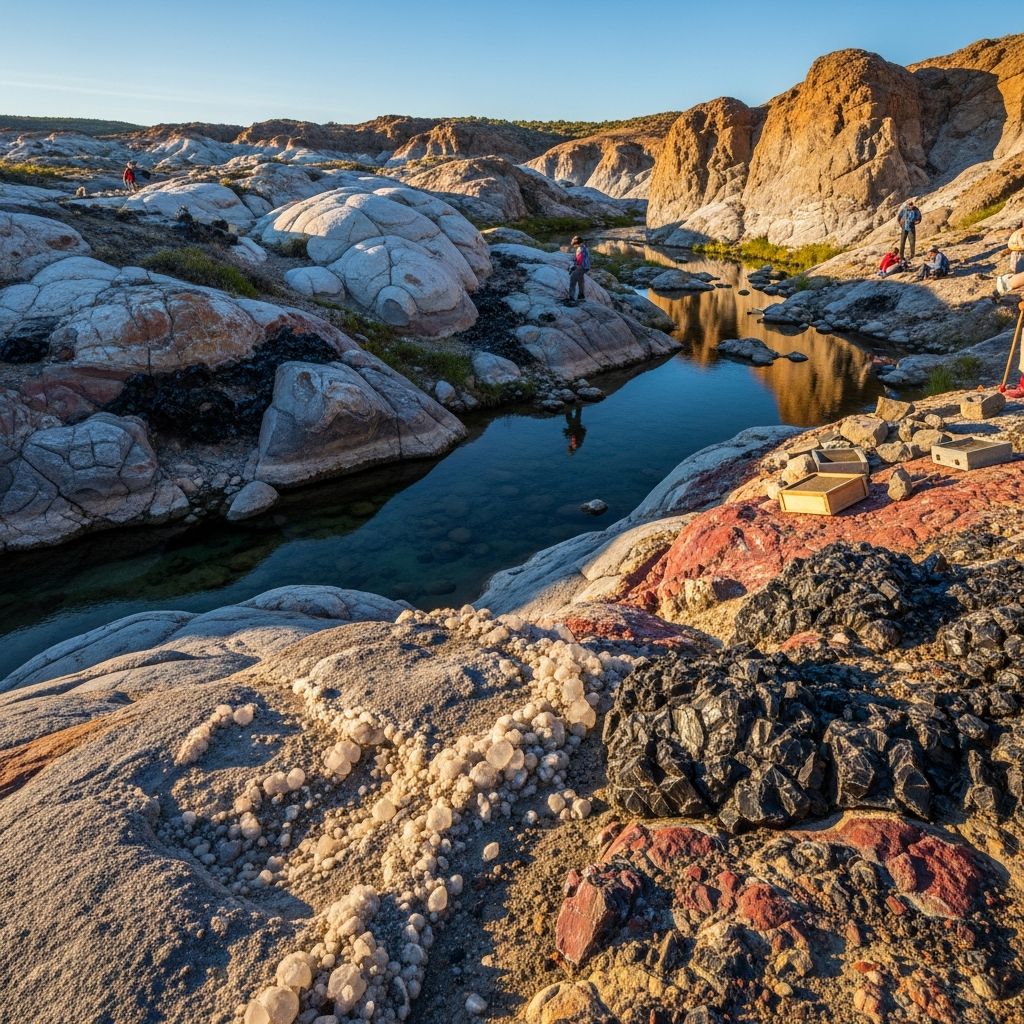
Rockhounding, the thrilling pursuit of rocks, minerals, and gems, offers enthusiasts a hands-on connection to Earth’s dynamic history. Whether you’re a novice or seasoned collector, knowing optimal search areas maximizes your chances of unearthing stunning specimens. Fresh rock exposures from natural erosion or human activity reveal hidden treasures like quartz crystals, agates, geodes, and rare gems. This guide details prime habitats, essential strategies, safety protocols, and specific U.S. hotspots to fuel your adventures.
Understanding Ideal Geological Hotspots
Geological treasures thrive where bedrock lies exposed, free from soil or vegetation cover. Prioritize sites with recent disturbances—natural forces like floods, landslides, or wave action, or human interventions such as excavations—that peel back layers to showcase vibrant minerals. Mountainsides, arid deserts, and coastal zones naturally erode to display specimens, while urban developments inadvertently create accessible outcrops. Key criteria include visible rock layers, water-polished stones, and colorful tailings from past operations.
- Exposed Bedrock: Scan cliffs, outcrops, and barren hills for intact formations ripe for sampling.
- Water Features: Rivers and beaches tumble rocks into smooth, collectible shapes.
- Disturbed Zones: Construction and mining waste piles often yield overlooked gems.
Coastal and Beachfront Treasure Hunts
Beaches rank among the most accessible venues for beginners, where relentless waves grind and polish rocks into eye-catching pebbles. Focus on gravelly stretches between high and low tide lines, especially after storms that churn up deep deposits. Agates, jaspers, and fossilized shells frequently wash ashore, their translucency gleaming under sunlight. Tillamook Coast in Oregon exemplifies this, with hunters targeting agates and jaspers ideal for tumbling into jewelry.
Pro tip: Walk parallel lines from the high-tide mark downward, sifting through parallel rock lines for uniformity. Volcanic areas yield vesicular basalt boulders harboring zeolite minerals in gas pockets—crack them open with care using a hammer to reveal crystalline interiors. Short Beach in California offers such vesicles, appearing as white puffballs under close inspection with a loupe.
Rivers, Creeks, and Stream Beds: Nature’s Polishers
Flowing waters act as natural tumblers, eroding rough stones into polished gems over millennia. Creek beds and river gravels concentrate heavy minerals like gold nuggets, garnets, and petrified wood due to density sorting. Search bends, riffles, and gravel bars where currents slow, depositing treasures. Desert washes and eroded hillsides in arid regions expose similar concentrations after flash floods.
In these dynamic environments, look for waxy-lustered, translucent agates contrasting opaque jaspers’ rich hues. Bring a spray bottle to wet surfaces, enhancing color and patterns. Nature trails along streams often reveal eroded fragments—probe trail edges for wildlife-disturbed prizes.
Road Cuts and Construction Zones: Man-Made Exposures
Fresh road cuts from highway expansions slice through bedrock, unveiling minerals hidden for eons. These vertical faces display stratified layers, perfect for spotting veins of quartz or metallic sulfides. Newly graveled roadsides scatter fragments from deeper excavations—pull over safely to inspect.
Construction sites, active quarries, and building projects disturb soil, exposing outcrops. Always secure permission and heed safety warnings, avoiding unstable slopes or traffic. Wear high-visibility gear and watch for hazards like falling debris.
Quarries, Mines, and Tailings Piles
Active or abandoned quarries and mines offer concentrated riches, from limestone-embedded fossils to crystalline ore deposits. Tailings—waste rock piles from mining—hide overlooked specimens like pyrite or fluorite. However, many are private; contact operators for access tours.
State atlases or geological maps pinpoint these sites, revealing clusters of operations. Mine tailings demand caution—check for contaminants and secure landowner approval.
Pay-to-Dig Mines: Guided Gem Adventures
For guaranteed finds, pay-to-dig sites provide tools, guidance, and exclusive access to productive veins. These family-friendly operations sluice ore or allow direct digging, yielding sapphires, opals, and tourmalines. Gem Mountain in Montana has produced over 180 million carats of sapphires; visitors sift flume buckets or heat-treat rough stones on-site.
| Site | Location | Key Finds | Details |
|---|---|---|---|
| Gem Mountain | Spruce Pine, NC | Aquamarine, Garnet, Tourmaline | Flume mining or guided digs at Brushy Creek/Hoot Owl Mines; $75/adult for 4-hour trips |
| Bonanza Opal Mine | Denio, NV | Fire Opals | Seasonal May-Sep; bring rake, buckets; camping nearby |
| Gem Mountain Sapphire Mine | Philipsburg, MT | Sapphires | Year-round instruction; get wet sifting rough |
| Rockhound State Park | NM | Geodes (Thunder Eggs) | Pop open muddy rocks for crystals |
| Graves Mountain | Lincoln County, GA | Rutile, Kyanite, Lazulite | Historic site with diverse minerals |
Desert Washes, Hillsides, and Outcrops
Arid landscapes concentrate rocks in washes after rare rains, with eroded hillsides exposing veins. Volcanic regions like California’s Mojave Desert yield zeolites in pillow basalts—Tunnel Beach near cliffs provides prime vesicle hunting. Field guides like ‘Rockhound Barstow’ detail public sites for legal collecting.
Essential Tools and Safety for Rockhounds
Equip yourself properly to enhance efficiency and safety. Core gear includes:
- Rock hammer, chisel, and crack-back hammer for splitting.
- Loupe (10x magnifier), spray bottle, and field guide for ID.
- Gloves, safety glasses, sturdy boots, hat, sunscreen, and ample water.
- Backpack, buckets, bags with markers for organizing finds.
Safety first: Research land status via BLM or state surveys—federal lands often allow casual collecting under 25 lbs/day. Avoid private property without permission; steer clear of active machinery, cliffs, and toxic sites. Identify specimens via geological surveys, museums, or rock shops.
Identifying Your Finds: Quick Tips
Distinguish agate (translucent, waxy) from jasper (opaque, colorful). Geodes masquerade as drab nodules—tap for rattle of internal crystals. Use streak tests, hardness scratches, and luster observations. For precision, consult state geological surveys or university geology departments.
Frequently Asked Questions (FAQs)
What are the safest beginner spots for rockhounding?
Beaches, public riverbeds, and pay-to-dig mines offer low-risk entry with high rewards and supervision.
Do I need permission for quarries or road cuts?
Yes, quarries are often private—always ask. Road cuts on public roads are generally okay if safe, but check local regs.
What tools are must-haves for starters?
A rock hammer, loupe, gloves, and field guide suffice; add a trowel for digging.
Can I collect on federal lands?
Casual surface collecting is permitted on most BLM lands (up to 25 lbs), but no digging without permits.
How do I verify rare finds?
Contact your state geological survey, local museums, or rock shops for expert ID.
Preserving Sites and Ethical Collecting
Follow Leave No Trace: Fill holes, pack out trash, and limit takes to sustainable amounts. This ensures sites remain viable for future hunters. Join clubs for maps, trips, and community.
References
- Mineral Collecting — Mineralogical Society of America. Accessed 2026. http://www.minsocam.org/msa/collectors_corner/MineralCollecting.htm
- Where to Find Rocks — Declan’s Mining Co. Accessed 2026. https://www.declansminingco.com/blogs/declans-blog/where-to-find-rocks
- Best Crystal and Gem Hunting Spots in the USA — Geology In. 2017-02-01. https://www.geologyin.com/2017/02/part-ii-top-spots-for-gem-hunting-in-us.html
- Where to Find Rocks | Field Guide Reviews — WhereToFindRocks.com. Accessed 2026. https://wheretofindrocks.com
- How to Spot Rocks When Rockhounding — Tillamook Coast. Accessed 2026. https://tillamookcoast.com/blog/how-to-spot-rocks-when-rockhounding/
- Beginner’s Guide to Rockhounding (Video Transcript) — USGS/YouTube (Will O’s Southwest Studio). Accessed 2026. https://www.youtube.com/watch?v=MtObWPIkWy0
- Can you identify my rock or mineral? — U.S. Geological Survey. Accessed 2026. https://www.usgs.gov/faqs/can-you-identify-my-rock-or-mineral

Medha Deb is an editor with a master's degree in Applied Linguistics from the University of Hyderabad. She believes that her qualification has helped her develop a deep understanding of language and its application in various contexts. Medha specializes in the areas of beauty, health, sports, and wellness and is committed to ensuring that the content on the website is…