
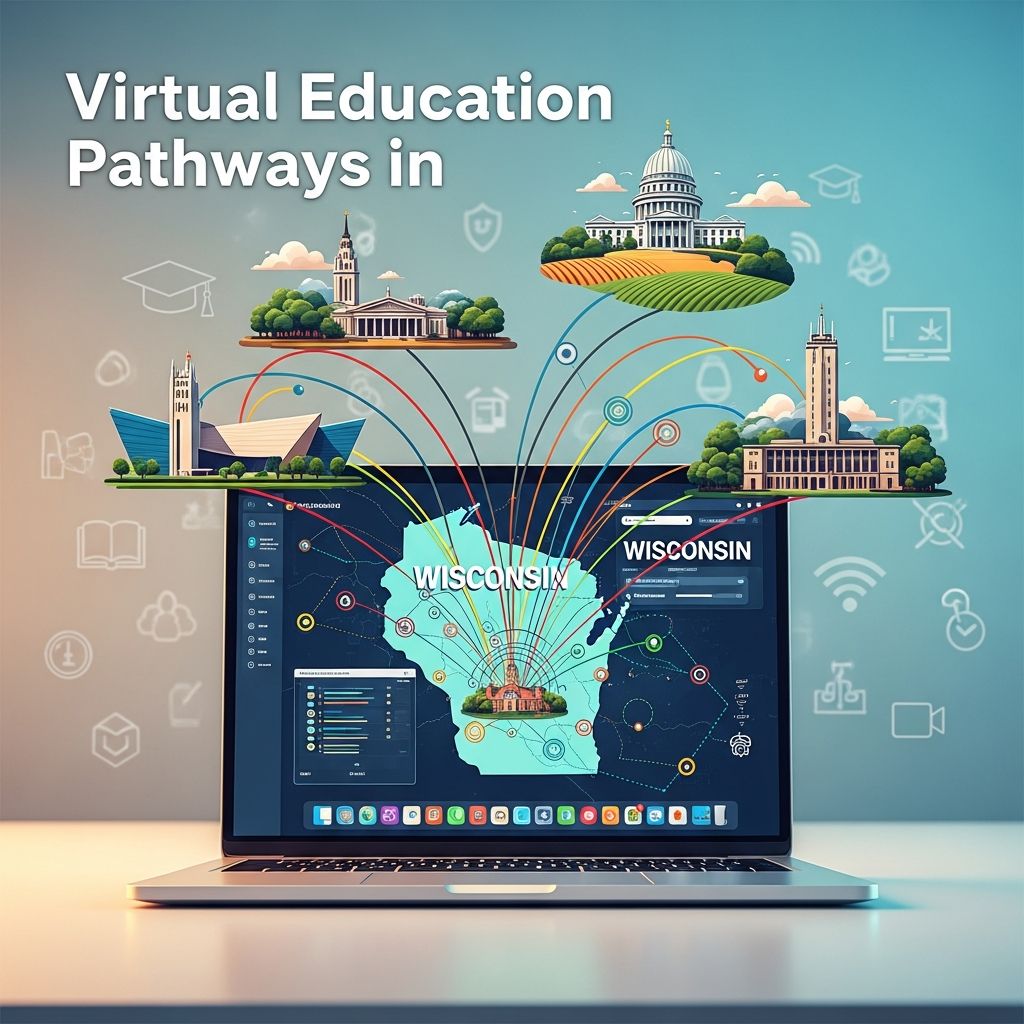
Wisconsin has emerged as a leader in virtual education, offering families multiple tuition-free online school options that combine academic rigor with flexible learning environments. These institutions serve students from kindergarten through grade 12, providing alternatives to traditional brick-and-mortar schools while maintaining high educational standards and accountability measures. The growth of online education in Wisconsin reflects a broader national trend toward personalized, student-centered learning that accommodates diverse educational needs and family circumstances.
Understanding Wisconsin’s Virtual School Landscape
Wisconsin’s virtual charter schools operate as public schools, meaning they receive state funding and do not charge tuition to Wisconsin residents. These institutions are regulated by the Wisconsin Department of Public Instruction and must adhere to state academic standards, curriculum requirements, and accountability measures. Unlike private online schools or homeschooling arrangements, charter virtual schools employ certified Wisconsin teachers, maintain structured curricula, and participate in standardized testing programs.
The virtual education sector in Wisconsin has developed significantly over the past two decades, with several established institutions demonstrating sustained student success and academic achievement. These schools employ various pedagogical approaches, from fully synchronous live instruction to asynchronous self-paced learning models, allowing families to select programs that best align with their children’s learning styles and scheduling needs.
Key Characteristics of Wisconsin Virtual Schools
Wisconsin’s virtual education providers share several fundamental characteristics that distinguish them from traditional schools:
- Tuition-Free Enrollment: All virtual charter schools in Wisconsin are publicly funded, eliminating tuition costs for resident families.
- Certified Teacher Workforce: Virtual schools employ Wisconsin-certified educators with subject matter expertise and training in online instruction delivery.
- Flexible Learning Models: Students benefit from flexible pacing that allows acceleration in areas of strength and additional support in challenging subjects.
- Multi-Grade Coverage: Most institutions serve students from early childhood (4K) through high school completion (grade 12).
- Accreditation and Standards: Virtual schools maintain accreditation status and alignment with Wisconsin state academic standards.
- Social and Extracurricular Opportunities: Many virtual schools facilitate in-person meetings, clubs, sports participation, and graduation ceremonies to build community.
Virtual Learning Delivery Models
Wisconsin’s virtual schools employ different instructional delivery approaches to meet diverse learner needs. Understanding these models helps families select the most appropriate option for their circumstances.
Synchronous Live Instruction
Many Wisconsin virtual schools utilize live, real-time classroom instruction where students and teachers interact simultaneously through video conferencing platforms. This model provides direct instruction, immediate feedback, and interactive learning experiences comparable to traditional classrooms. Live classes create structured daily routines and foster peer interaction and collaborative learning opportunities. Students attend scheduled class sessions during designated times, though many schools record sessions for students who cannot attend live or need additional review.
Asynchronous Self-Paced Learning
Asynchronous pathways allow students to progress through course materials at individualized speeds without requiring real-time attendance. This model proves particularly beneficial for students with varying work schedules, extracurricular commitments, or learning pace preferences. Students access recorded lectures, instructional videos, interactive modules, and written materials independently, completing assignments according to established deadlines while maintaining flexibility in daily scheduling.
Hybrid and Blended Programs
Some Wisconsin virtual schools offer hybrid options allowing students to remain enrolled in their traditional district school while simultaneously taking online courses through the virtual academy. This arrangement enables students to access specialized courses unavailable in their home schools while maintaining connections to their local educational community. Additionally, some schools combine online instruction with periodic in-person learning sessions, field experiences, and hands-on laboratory work.
Academic Programs and Course Offerings
Wisconsin’s virtual schools maintain comprehensive curricula spanning elementary, middle, and high school levels. These institutions offer core academic subjects including mathematics, English language arts, science, and social studies, alongside enrichment electives that support student interests and college and career preparation.
Elementary Education
Virtual elementary programs emphasize foundational literacy and numeracy skills while cultivating curiosity and a love of learning. Teachers provide personalized attention, interactive activities, and creative learning experiences that engage young learners. Elementary curricula integrate science, social studies, and arts education while developing essential study habits and independence skills that prepare students for middle school transitions.
Middle School Academics
Middle school virtual programs balance rigorous academics with opportunities for developing independence and study skills. Students explore challenging subject matter while building confidence and discovering academic strengths. These programs emphasize critical thinking, collaboration, and problem-solving alongside traditional subject instruction, preparing students for high school-level work.
High School and Advanced Opportunities
High school virtual programs offer college-preparatory coursework, including Advanced Placement (AP) courses and honors-level instruction. Wisconsin virtual schools provide world languages, science laboratories adapted for online learning, AVID (Advancement Via Individual Determination) programs, and NCAA-accredited athletic courses. Many institutions offer specialized programs including competency-based progression for credit-deficient students and alternative diploma pathways.
Support Systems and Student Success Resources
Effective virtual education requires robust support infrastructure extending beyond classroom instruction. Wisconsin’s virtual schools implement comprehensive support systems addressing academic, technical, and social-emotional needs.
Teacher and Counselor Support
Wisconsin virtual schools employ qualified teachers accessible through office hours, study halls, email, and phone communication. School counselors and academic advisors work with students to develop personalized learning plans, monitor progress, and provide intervention when students experience academic challenges. Teachers provide individualized feedback, address misconceptions, and adapt instruction based on student performance data.
Technical and Administrative Support
Virtual schools maintain technical support teams addressing technology issues that could impede student learning. Support staff assist with platform navigation, connectivity troubleshooting, device problems, and account management. Administrative staff facilitate enrollment, transcript management, and communication between families and school personnel.
Academic Intervention and Tutoring
Virtual schools provide tutoring services, study groups, and targeted intervention for students experiencing academic difficulty. Personalized learning plans adjust pacing, provide additional practice, or employ alternative instructional strategies when students struggle with core concepts. These interventions identify students needing support early and implement corrective measures before academic gaps widen.
Building Community in Virtual Environments
A significant distinction between virtual schools and traditional homeschooling involves community building and social connection. Wisconsin virtual schools facilitate student interaction and relationship development despite the online format.
- Live Classroom Interaction: Daily live classes create opportunities for students to communicate with peers, participate in discussions, and collaborate on group projects.
- Virtual Clubs and Activities: Schools organize virtual clubs, competitions, and collaborative projects where students pursue shared interests and develop friendships.
- In-Person Events: Many institutions host periodic in-person social gatherings, field trips, athletic events, and graduation ceremonies.
- Parent Communication: Regular communication between teachers, counselors, and families strengthens the educational community and ensures alignment between school and home.
- Peer Learning Structures: Group projects, peer review, and collaborative activities foster social development and interpersonal skills.
Enrollment and Accessibility Across Wisconsin
Most Wisconsin virtual charter schools accept students throughout the state, extending educational options beyond geographic limitations. Open enrollment periods typically align with traditional school calendars, though many schools offer alternative enrollment windows allowing mid-year entry. Families interested in virtual education should verify current enrollment status and application deadlines with individual institutions, as policies vary among schools.
The geographic accessibility of Wisconsin virtual schools means that rural families without local educational alternatives can access diverse course offerings and educational approaches. Students in districts with limited resources benefit from expanded course catalogs and specialized programs available through virtual institutions.
Selecting the Right Virtual School
Choosing a virtual school requires families to evaluate multiple factors aligned with their child’s needs and family circumstances. Families should consider learning style compatibility, schedule flexibility requirements, desired degree of teacher interaction, course offerings, extracurricular opportunities, and support service availability. School report cards, program reviews, and direct communication with school administrators provide insights into institutional quality and student outcomes.
Prospective families should also assess their home environment’s suitability for virtual learning, including reliable internet connectivity, designated study space, and family capacity to support independent learning. While virtual education provides flexibility, successful participation requires student motivation, self-discipline, and family commitment to supporting academic progress.
Virtual Education and College Readiness
Wisconsin virtual schools prepare students for college entrance through rigorous academics, college-prep coursework, and career exploration programs. Advanced Placement courses, dual enrollment opportunities with colleges, and college counseling services prepare students for post-secondary education. Many virtual schools partner with colleges to offer concurrent enrollment, allowing high school students to earn college credits simultaneously.
The self-directed nature of virtual learning develops independence and time management skills essential for college success. Students accustomed to managing their schedules, seeking help when needed, and organizing their coursework develop capabilities that directly transfer to college-level independent learning.
Frequently Asked Questions About Wisconsin Virtual Schools
Do Wisconsin virtual schools charge tuition?
No. All Wisconsin virtual charter schools are publicly funded through state education dollars and do not charge tuition to Wisconsin resident families.
Are teachers in Wisconsin virtual schools certified?
Yes. Wisconsin virtual schools employ Wisconsin-certified teachers with subject matter expertise and specialized training in online instruction delivery.
Can students participate in sports or extracurricular activities?
Many Wisconsin virtual schools offer or facilitate sports participation, clubs, and extracurricular activities, including in-person social events and competitive opportunities.
Do virtual schools offer Advanced Placement courses?
Yes. Most Wisconsin virtual schools offer Advanced Placement courses, honors-level instruction, and college-preparatory curricula.
What support is available for students experiencing academic difficulty?
Virtual schools provide tutoring, study groups, academic counseling, and personalized intervention plans to support students encountering academic challenges.
Can students enroll mid-year?
Many Wisconsin virtual schools offer alternative enrollment periods beyond traditional fall enrollment, though availability varies by institution and school year.
The Future of Virtual Education in Wisconsin
Wisconsin’s virtual education sector continues evolving to meet changing student needs and technological capabilities. Educational institutions increasingly integrate hands-on learning experiences, real-world project-based instruction, and practical skill development alongside traditional online coursework. As broadband infrastructure improves and pedagogical approaches advance, virtual schools will likely expand offerings and serve increasingly diverse student populations.
Wisconsin’s commitment to virtual charter education reflects broader recognition that diverse learners benefit from varied educational delivery models. Whether students choose virtual education for flexibility, specialized programs, learning style alignment, or geographic accessibility, Wisconsin’s virtual schools provide rigorous, accountable educational alternatives grounded in state standards and professional educator expertise.
References
- Wisconsin Virtual Academies – K12 — K12 Inc. 2026. https://wisconsinvirtualacademies.k12.com/our-schools/
- Wisconsin Virtual Learning – Tuition-Free Online School — Wisconsin Virtual Learning. 2026. https://wisconsinvl.net
- iForward – Wisconsin’s Online School for K-12 Students — iForward Academy. 2026. https://iforwardwisconsin.com
- Bridges Virtual Academy – Top Wisconsin Virtual Charter School — Bridges Virtual Academy. 2026. https://www.bvaedu.org
- eAchieve Academy – Online Learning Wisconsin — eAchieve Academy. 2026. https://www.eachieve.com
- Milwaukee Virtual School – K4-12th Grade Online Education — Milwaukee Public Schools. 2026. https://mps.school/mvs/
- Virtual Charter Schools — Wisconsin Department of Public Instruction. 2025. https://dpi.wi.gov/parental-education-options/charter-schools/virtual-charter-schools

- Integrated M.A. in Applied Linguistics, University of Hyderabad
- 5+ years in editorial, instructional, SEO, and research-based writing
Sneha is a relationships and lifestyle writer with a strong foundation in applied linguistics and certified training in relationship coaching. She brings over five years of writing experience to theskillvault, crafting thoughtful, research-driven content that empowers readers to build healthier relationships, boost emotional well-being, and embrace holistic living. Her writing and insights reflect the belief that beauty, happiness, and wellness…