
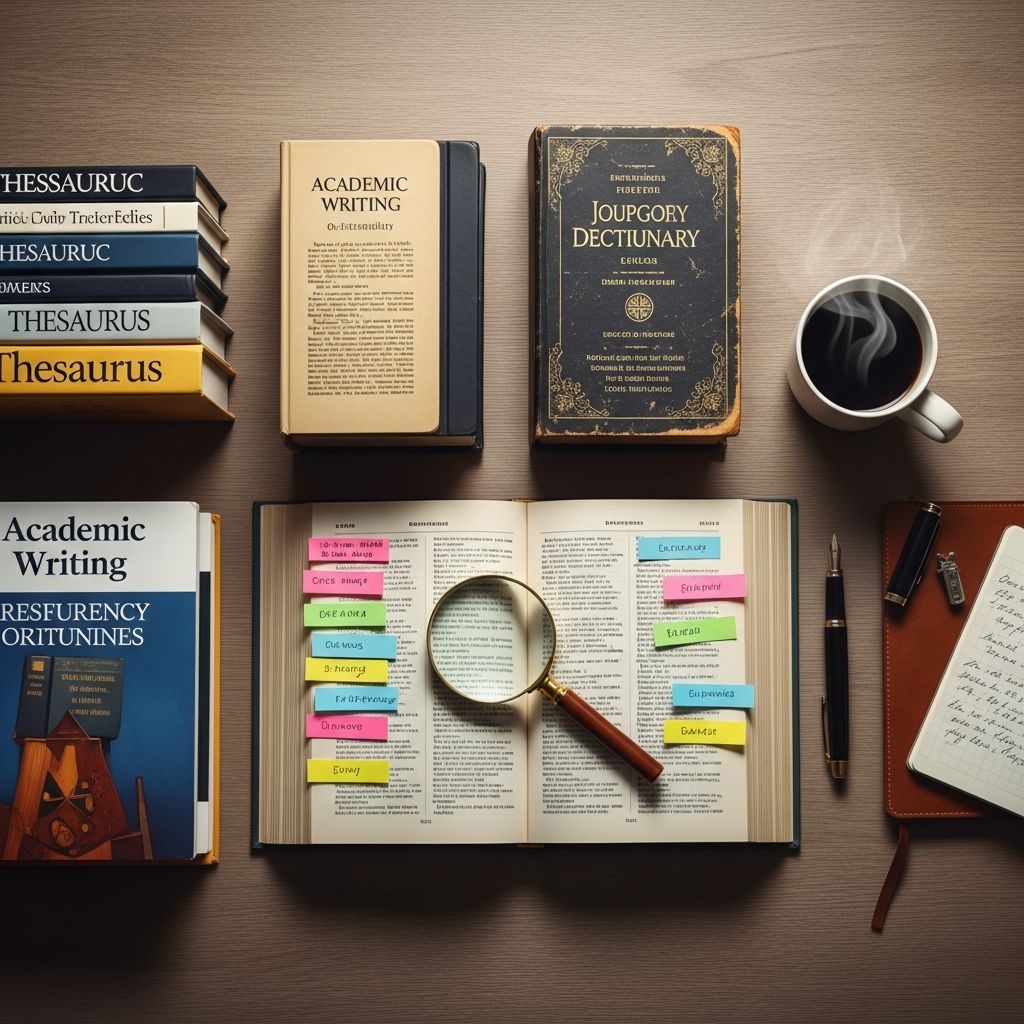
A bibliography serves as the backbone of credible academic and research writing, compiling all sources consulted during the creation of a work. It ensures transparency, allows verification of claims, and honors intellectual contributions from others.
Defining the Core Purpose of Bibliographies
In scholarly contexts, a bibliography represents a methodical compilation of resources—books, articles, websites, and more—that inform a project. Unlike a simple list, it underscores the depth of investigation, building trust with readers by revealing the foundation of arguments presented. This practice traces back to traditions of documenting knowledge, evolving into a standard for preventing plagiarism and facilitating further study.
Fundamentally, bibliographies distinguish themselves by including not only directly quoted or paraphrased materials but also background readings that shaped the author’s perspective. This comprehensive approach aids in contextualizing research within broader discourses.
Exploring Key Types of Bibliographies
Bibliographies manifest in diverse forms, each tailored to specific needs in research and analysis. Recognizing these variations empowers writers to select the most appropriate format.
- Enumerative Bibliography: The simplest variant, this is an alphabetical or categorized roster of sources without additional commentary, prioritizing clarity and ease of navigation.
- Annotated Bibliography: Beyond listing, it appends concise summaries or critiques for each entry, evaluating relevance, reliability, and contributions to the topic.
- Subject-Specific Bibliography: Focused on a niche theme, it curates seminal works, offering a gateway to specialized literature.
- Period-Based Bibliography: Organizes resources by publication era, invaluable for historical analyses tracking intellectual evolution.
These types cater to different scholarly demands, from quick reference lists to in-depth evaluative tools.
Major Citation Styles and Their Bibliography Conventions
Different disciplines mandate unique formatting protocols, influencing how bibliographies appear. Adhering to these standards ensures professionalism and compliance.
| Style | Terminology | Key Features | Common Use |
|---|---|---|---|
| MLA | Works Cited | Author-page citations; hanging indents; emphasizes humanities. | Literature, arts. |
| APA | References | Author-date; DOIs for digital sources; psychology focus. | Social sciences. |
| Chicago/Turabian | Bibliography | Notes-bibliography or author-date; flexible for history. | History, general. |
Choosing the correct style hinges on institutional guidelines or field norms, with each prioritizing elements like publication dates or access details.
Step-by-Step Process for Building a Bibliography
Constructing an effective bibliography demands systematic effort from the outset of research. Begin by logging details immediately to avoid omissions.
- Gather Source Information: Note author names, titles, publishers, dates, and URLs for every resource encountered.
- Organize Alphabetically: Typically by author’s last name, ensuring uniformity.
- Apply Style Rules: Format per MLA, APA, etc., using tools like citation generators for accuracy.
- Review for Completeness: Verify all consulted works are included, distinguishing from in-text citations.
- Proofread: Check for consistency in punctuation, italics, and spacing.
This methodical approach minimizes errors and streamlines revisions.[10]
Distinguishing Bibliographies from Related Reference Tools
Confusion often arises between bibliographies and similar elements like works cited or reference lists. A bibliography encompasses all consulted materials, cited or not, whereas works cited (MLA) or references (APA) limit to those directly referenced.[10]
- Works Cited (MLA): Only sources appearing in the text.
- References (APA): Cited works with precise retrieval info.
- Bibliography: Broader, including influential but uncited sources for full context.
Understanding these nuances prevents common formatting mishaps in academic submissions.
Advanced Applications: Annotated Bibliographies in Depth
Annotated bibliographies elevate standard lists by integrating critical analysis. Each entry features a 100-200 word paragraph assessing the source’s strengths, weaknesses, and utility.
For instance, in a study on climate policy, an annotation might highlight a journal article’s robust data but note its regional bias. This format proves essential for literature reviews, grant proposals, and thesis preparations, fostering critical engagement with scholarship.
Structure typically includes:
- Citation in chosen style.
- Summary of content.
- Evaluation of credibility.
- Relevance to research question.
Digital Era Challenges and Solutions for Modern Bibliographies
Today’s researchers grapple with ephemeral online sources, demanding vigilant capture of access dates and stable URLs. Tools like Zotero, EndNote, or BibGuru automate tracking, exporting formatted entries across styles.
Key tips include prioritizing DOIs over direct links and archiving web pages via services like Wayback Machine for longevity.
Common Mistakes to Avoid in Bibliography Creation
Even seasoned writers falter in bibliography compilation. Frequent errors encompass inconsistent formatting, omitting DOIs, or alphabetizing by first names.
- Incomplete entries lacking page ranges or editions.
- Mixing styles mid-document.
- Overlooking non-print sources like podcasts or datasets.
- Failing to include all consulted works, risking plagiarism accusations.
Counter these by using style manuals from authoritative bodies like Purdue OWL or official MLA/APA sites.
Benefits Beyond Compliance: Why Bibliographies Matter
Bibliographies transcend mere requirement, serving as research roadmaps for peers. They spotlight gaps in literature, inspire collaborations, and immortalize scholarly lineages.
In professional realms, robust bibliographies bolster resumes, evidencing rigorous inquiry skills valued in academia and industry.
Frequently Asked Questions (FAQs)
What exactly counts as a source for a bibliography?
Any material consulted—books, journals, websites, videos, interviews—qualifies if it influenced your work.
Do I need a bibliography if my paper has in-text citations?
Yes, it provides full details and includes uncited but relevant sources.[10]
How long should annotations be in an annotated bibliography?
Typically 100-200 words, balancing summary and critique.
Can software replace manual bibliography creation?
Tools assist but always verify outputs against style guides for accuracy.
Is a bibliography required for short essays?
Depends on guidelines; even brief works benefit from source acknowledgment.
Practical Examples Across Citation Styles
To illustrate, consider citing a book:
- MLA: Smith, John. Research Methods. Oxford UP, 2020.
- APA: Smith, J. (2020). Research methods. Oxford University Press.
- Chicago: Smith, John. Research Methods. Oxford: Oxford University Press, 2020.
For websites:
- MLA: Doe, Jane. “Climate Data.” GreenEarth.org, 15 Mar. 2025, www.greenearth.org/climate.
- APA: Doe, J. (2025, March 15). Climate data. GreenEarth. https://www.greenearth.org/climate
These templates ensure precision.
References
- Writing a Bibliography | Definition, Types & Examples — Study.com. 2023. https://study.com/learn/lesson/video/what-is-a-bibliography.html
- What is a bibliography? Meaning, Examples and Layout — Adobe Acrobat Resources. 2024-10-15. https://www.adobe.com/uk/acrobat/resources/academic-writing/what-is-a-bibliography.html
- What is a bibliography — BibGuru Blog. 2024. https://www.bibguru.com/blog/what-is-a-bibliography/
- What is a bibliography? — SFU Library. 2023-05-20. https://www.lib.sfu.ca/help/research-assistance/what-bibliography
- Bibliographic Information – Research Process — PGCC LibGuides. 2024. https://pgcc.libguides.com/c.php?g=60038&p=385730
- BIBLIOGRAPHY Definition & Meaning — Merriam-Webster. 2025-01-10. https://www.merriam-webster.com/dictionary/bibliography

- Integrated M.A. in Applied Linguistics, University of Hyderabad
- 5+ years in editorial, instructional, SEO, and research-based writing
Sneha is a relationships and lifestyle writer with a strong foundation in applied linguistics and certified training in relationship coaching. She brings over five years of writing experience to theskillvault, crafting thoughtful, research-driven content that empowers readers to build healthier relationships, boost emotional well-being, and embrace holistic living. Her writing and insights reflect the belief that beauty, happiness, and wellness…