
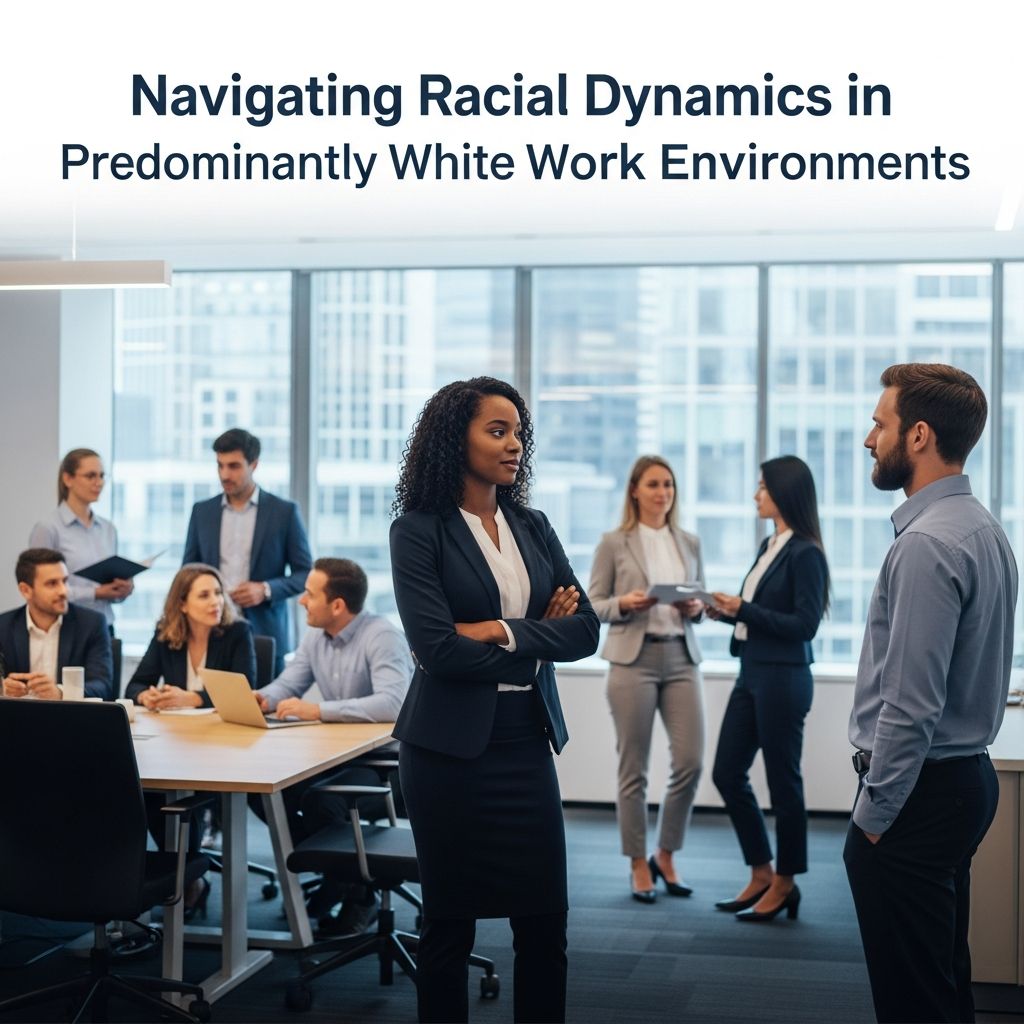
Understanding the Landscape: Barriers Black Women Face in Predominantly White Workplaces
Black women entering or advancing within predominantly white corporate environments encounter a distinct set of professional challenges that extend far beyond typical workplace obstacles. Research consistently demonstrates that Black women experience higher rates of discrimination, fewer advancement opportunities, and greater exposure to microaggressions compared to their white counterparts. The intersection of race and gender creates a compounded effect that shapes daily work experiences, career trajectories, and long-term economic outcomes.
The statistics surrounding workplace inequality are sobering. Black women are promoted at significantly lower rates than white women when moving into managerial positions, and more than a quarter report that their race has directly caused them to miss advancement opportunities. Additionally, Black women experience microaggressions at three to four times the rate of white women, enduring disrespectful comments and behavior that question their competence, belonging, and professional identity. These aren’t isolated incidents but rather systematic patterns that accumulate over a career, affecting mental health, engagement, and economic stability.
Beyond immediate workplace interactions, structural factors perpetuate inequality. Occupational segregation concentrates Black women in lower-paying sectors such as administrative support, education, and healthcare services. Even when Black women possess advanced degrees, they earn substantially less than similarly educated white counterparts, and this wage penalty persists across educational levels. Over a 40-year career, this wage gap translates to approximately $900,000 in lost earnings, fundamentally limiting access to wealth-building opportunities like homeownership and retirement security.
Identifying and Responding to Workplace Bias
Recognizing bias in predominantly white workplaces requires developing a keen awareness of both overt discrimination and subtle exclusionary practices. Bias manifests across multiple dimensions: in hiring decisions, promotional processes, project assignments, meeting participation, and informal social interactions that influence career visibility and advancement.
Recognizing Different Forms of Bias
Hiring and Promotion Discrimination: Research indicates that bias in the hiring process accounts for approximately 52% of the racial employment gap, demonstrating how exclusionary practices begin before employment even commences. Promotion decisions frequently reflect similar patterns, with Black women receiving fewer developmental opportunities and mentor support necessary for advancement.
Microaggressions and Othering: These subtle but cumulative interactions include questioning your competence, attributing your success to external factors rather than ability, being confused with other Black colleagues, having your ideas dismissed then credited to white colleagues, or receiving unsolicited feedback about your appearance or communication style. While individually seeming minor, microaggressions create psychological toll and contribute to workplace disengagement.
Exclusion from Informal Networks: Predominantly white workplaces often feature informal social structures and decision-making processes from which Black women are excluded. Important conversations happen in spaces and at times Black women may not naturally access, limiting their visibility to decision-makers and reducing their influence on strategic initiatives.
Stereotype Threat and Performance Pressure: Operating within environments where negative stereotypes about Black women’s competence persist creates additional cognitive and emotional burden. This stereotype threat can impair performance and increase stress, even among highly qualified professionals.
Developing a Bias Detection Strategy
Build awareness by documenting patterns rather than dismissing isolated incidents. Track which colleagues receive stretch assignments, whose ideas get implemented, who gets invited to informal gatherings, and how feedback differs by race and gender. This documentation serves multiple purposes: it helps you identify systemic patterns, provides evidence if you need to escalate concerns, and helps you distinguish personal shortcomings from discriminatory treatment.
Seek perspective from trusted colleagues, particularly other Black women who can validate experiences and help contextualize situations. Their insights prevent you from internalizing bias as personal failure and help you recognize widespread patterns.
Building Authentic Professional Relationships
Thriving in predominantly white workplaces requires strategic relationship-building that balances authenticity with professional navigation. Black women often face pressure to either completely assimilate (suppress cultural identity and communication style) or face negative judgment for being perceived as too different.
Finding Your Authentic Professional Identity
Rather than adopting a false persona, successful Black women in white workplaces develop a professional identity that feels genuine while remaining effective. This might mean maintaining elements of your communication style, perspectives, and values while developing fluency in workplace norms. You can bring your full self without compromising professional effectiveness.
Authenticity builds stronger relationships because people can sense inauthenticity. Colleagues who know the real you develop deeper trust and respect. Additionally, being authentically yourself expends less emotional energy than constant code-switching, reducing burnout.
Cultivating Meaningful Mentorship
Research shows that Black women receive less managerial support for balancing work and personal priorities compared to other women. Proactively seeking mentors—both within and outside your organization—becomes crucial. Ideal mentors help you navigate organizational politics, provide honest feedback, advocate for your advancement, and support your well-being.
Don’t limit yourself to Black mentors, though their perspective is invaluable. White mentors who understand racial dynamics and actively support equity create powerful advocacy relationships. When seeking mentors, look for individuals who have successfully navigated similar challenges, demonstrate genuine commitment to inclusion, and have influence within your organization.
Developing Strategic Alliances
Build relationships across racial lines based on shared professional interests and values. These connections provide access to information, opportunities, and support networks. Look for allies—colleagues who actively support equity and will advocate for you—and cultivate reciprocal relationships where you also provide value.
Simultaneously, nurture relationships with other Black women in your workplace. These connections provide crucial emotional support, practical advice, and shared understanding of experiences that colleagues from other backgrounds cannot fully grasp. These peer relationships often become career-long sources of encouragement and collaboration.
Advancing Your Career Despite Systemic Barriers
Career advancement for Black women in predominantly white organizations requires a multifaceted approach that combines individual initiative with strategic navigation of organizational systems.
Making Your Work Visible
Systemic bias often renders Black women’s contributions invisible or undervalued. Counteract this through strategic visibility. Volunteer for high-visibility projects, present your work to senior leaders, contribute to company-wide meetings, and ensure your accomplishments are known. Document your contributions and impact with specific metrics.
Visibility extends beyond formal presentations. Build relationships with decision-makers through appropriate informal interactions, share your expertise generously, and position yourself as someone who solves important problems. When leaders know you and understand your contributions, they’re more likely to think of you for advancement opportunities.
Advocating for Yourself
Black women in white workplaces often feel pressure to appear modest or non-threatening, which can translate to underselling accomplishments during negotiations or performance discussions. Practice articulating your value clearly and confidently. Prepare specific examples of impact, research market rates for your role, and develop a negotiation strategy before important conversations.
Self-advocacy includes requesting stretch assignments, asking for promotions, negotiating salary and benefits, and clearly stating your career goals. Many organizations won’t voluntarily offer these opportunities to Black women, requiring you to explicitly pursue them.
Seeking Development Opportunities
Black women often receive fewer developmental opportunities than white colleagues, yet education and credentials remain important for advancement. Proactively identify training, certifications, and leadership development programs that strengthen your qualifications. Pursue both formal programs and informal learning through books, podcasts, and professional associations.
Additionally, leverage your organization’s development resources. If formal mentorship programs exist, apply for them. Attend professional development sessions, take advantage of coaching resources, and ask for tuition reimbursement for relevant courses. Making your development needs visible increases likelihood that your organization will invest in you.
Maintaining Well-being and Resilience
Working in environments that frequently generate racial stress and bias requires intentional strategies for protecting mental and emotional health. More than 60 percent of Black women report being personally affected by racial trauma in the past year, highlighting the psychological toll of workplace discrimination.
Recognizing and Managing Stress
Chronic workplace stress from bias and discrimination can accumulate into burnout, anxiety, and health problems. Develop awareness of how your body responds to workplace stress—whether through tension, fatigue, emotional reactivity, or disengagement. When you notice these signs, implement stress-management strategies rather than pushing through.
Effective strategies include regular exercise, meditation, therapy, time in nature, creative expression, and activities that bring joy and restoration. These aren’t luxuries but essential maintenance for your well-being and professional effectiveness.
Building Your Support System
Your well-being doesn’t depend solely on your workplace. Cultivate a strong support network outside work: family, friends, faith communities, and professional networks. People who understand your experiences, celebrate your wins, and support you through challenges provide essential counterbalance to workplace stressors.
Consider also finding community with other Black women professionals through professional associations, networking groups, or online communities. These connections normalize your experiences and provide practical strategies from people navigating similar situations.
Setting Boundaries
Protect your energy and time by establishing clear boundaries. This might mean limiting after-work socializing if it occurs in spaces where you feel excluded, declining requests that don’t align with your priorities, or stepping back from situations that consistently drain you emotionally. Setting boundaries isn’t selfish; it’s essential for sustainable career success.
Addressing Discrimination Effectively
Despite your best efforts to navigate workplace dynamics professionally, you may encounter discrimination that requires direct action. Knowing how to respond protects both your rights and your career trajectory.
Documentation and Escalation
When experiencing clear discrimination, document incidents with dates, times, people involved, and specific language or actions. Keep these records separate from your workplace files, in personal storage. Documentation strengthens any potential complaint and helps you remember details if issues escalate.
Understand your organization’s policies for reporting discrimination and the protections against retaliation. If your company has an Employee Assistance Program (EAP), they may offer confidential consultation about discrimination issues. Human Resources should be able to address discrimination, though their primary loyalty is to the organization, so approach these conversations strategically.
When to Seek External Resources
If internal channels don’t resolve discrimination or if retaliation occurs, external resources exist. The Equal Employment Opportunity Commission (EEOC) investigates discrimination complaints and can pursue enforcement actions. Employment attorneys specializing in discrimination law can advise on whether legal action is warranted. Professional organizations and diversity consulting firms may also provide guidance.
Pursuing formal complaints requires courage and carries risks, so make this decision carefully with proper support and information. However, allowing clear discrimination to continue unchallenged often leads to escalation, so sometimes formal action becomes necessary.
Frequently Asked Questions
Q: How do I know if I’m experiencing workplace discrimination versus typical workplace challenges?
A: Discrimination typically involves differential treatment based on race or gender. Compare how similar situations are handled for white colleagues—do they receive different assignments, feedback, advancement opportunities, or social inclusion? If patterns consistently disadvantage you compared to white counterparts, discrimination is likely occurring. Consulting with trusted mentors or colleagues can help you distinguish discrimination from general workplace difficulties.
Q: Should I address microaggressions directly or let them pass?
A: This depends on your comfort level, workplace dynamics, and the specific situation. Sometimes addressing microaggressions educates people and changes behavior; other times it creates conflict or negative perceptions of you. You might address low-risk situations with people demonstrating openness to feedback, while letting others pass without direct confrontation. Consulting with trusted colleagues helps gauge whether addressing specific microaggressions is worth the risk in your particular environment.
Q: How can I negotiate salary effectively when experiencing bias?
A: Research market rates thoroughly to establish your baseline. Present your accomplishments with specific metrics, emphasizing your value and contributions. Practice your negotiation in advance to build confidence. If you anticipate bias affecting negotiations, consider having your request in writing and referencing industry standards and your documented contributions rather than personal arguments. Some women find negotiating through formal channels like HR reduces personal bias in decision-making.
Q: What should I do if I feel completely isolated in my workplace?
A: Isolation is a real experience for many Black women in predominantly white workplaces. Actively build connections outside your immediate team—join employee resource groups, participate in company-wide projects, attend professional association meetings, and cultivate mentoring relationships. Additionally, develop community outside your workplace through professional networks and social groups. Sometimes moving to a more inclusive team or organization becomes necessary for your well-being and career growth.
Q: How do I balance being authentic while navigating bias in white workplaces?
A: Authenticity doesn’t require ignoring social context or professional norms. You can be genuinely yourself while adapting your approach to different audiences and situations—code-switching isn’t betraying yourself, it’s professional flexibility. Find elements of your authentic self that align with professional effectiveness: perhaps your communication style, perspectives on problems, and values can remain visible while you adapt your approach to meet organizational expectations.
References
- DEI’s Collapse and the Cost to Black Women — Feminist Majority Foundation. 2025. https://feminist.org/news/deis-collapse-and-the-cost-to-black-women/
- Women in the Workplace: Black Women Face More Bias — LeanIn.org. https://leanin.org/article/women-in-the-workplace-black-women
- Occupational Segregation of Black Women Workers in the U.S. — National Employment Law Project (NELP). https://www.nelp.org/insights-research/occupational-segregation-of-black-women-workers-in-the-u-s/
- African American Women in the Federal Sector — U.S. Equal Employment Opportunity Commission (EEOC). https://www.eeoc.gov/federal-sector/reports/african-american-women-federal-sector
- Jobs Report: Rise in Black Women’s Unemployment — The 19th News. 2025-07. https://19thnews.org/2025/07/black-women-unemployment-jobs-warning-sign/

- Integrated M.A. in Applied Linguistics, University of Hyderabad
- 5+ years in editorial, instructional, SEO, and research-based writing
Sneha is a relationships and lifestyle writer with a strong foundation in applied linguistics and certified training in relationship coaching. She brings over five years of writing experience to theskillvault, crafting thoughtful, research-driven content that empowers readers to build healthier relationships, boost emotional well-being, and embrace holistic living. Her writing and insights reflect the belief that beauty, happiness, and wellness…