
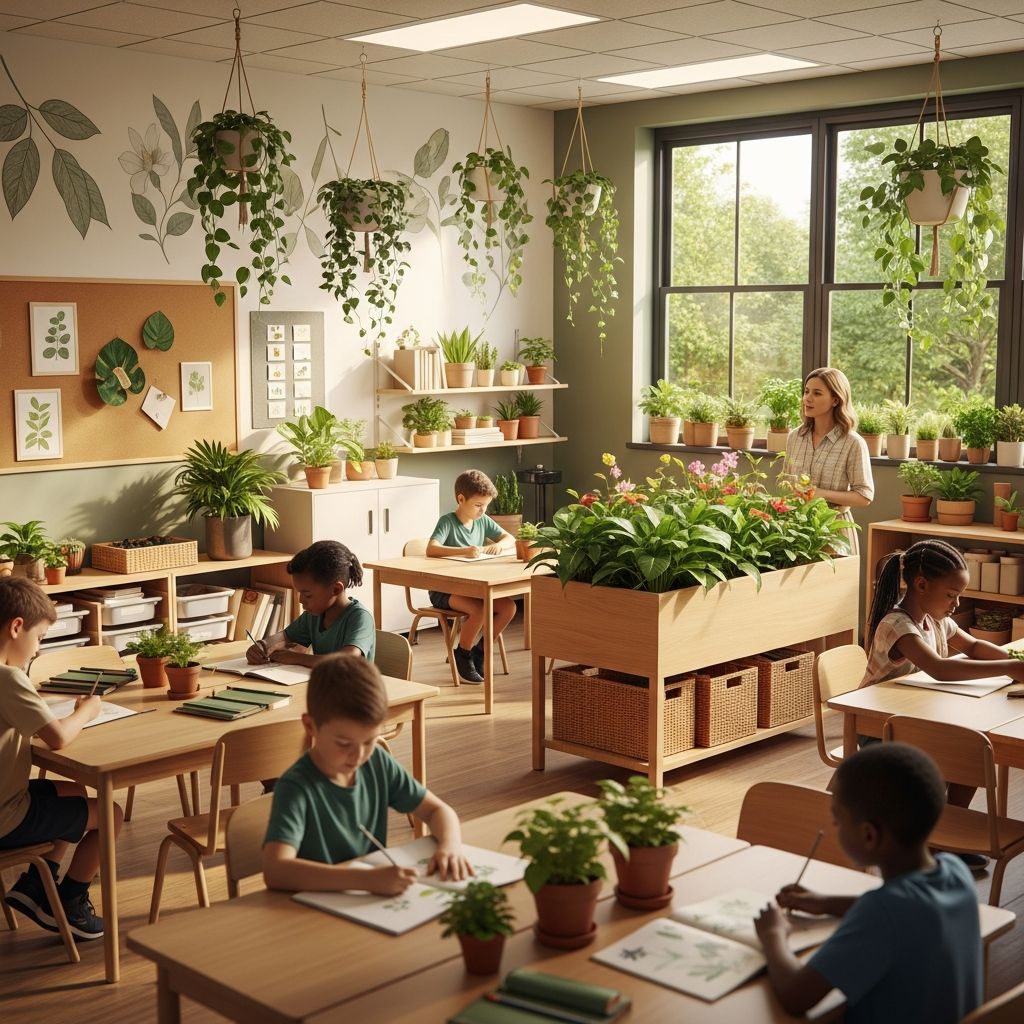
Creating an Educational Haven Through Natural Elements
The modern classroom environment plays a crucial role in shaping student learning outcomes and emotional well-being. Integrating botanical elements and nature-inspired design into educational spaces goes far beyond superficial decoration—it represents a fundamental shift in how we approach the learning atmosphere. When students spend their days surrounded by natural elements, they experience measurable improvements in focus, creativity, and overall academic performance. This approach recognizes that the physical environment itself functions as a silent teacher, communicating values about growth, care, and interconnectedness.
Research indicates that exposure to natural elements in indoor spaces significantly reduces stress levels and enhances concentration. By deliberately incorporating plants and botanical design features throughout the classroom, educators create sanctuaries where young minds can flourish. The combination of visual appeal and psychological benefits makes nature-themed design an investment in both immediate classroom culture and long-term student success.
Understanding the Psychological Benefits of Green Spaces in Education
The human brain responds positively to natural environments, a phenomenon that educational psychologists have documented extensively. When students interact with plants and natural materials, their cognitive functions operate at higher efficiency. The calming effect of greenery helps reduce classroom anxiety and behavioral disruptions, allowing educators to spend more time on instruction rather than classroom management.
The visual complexity and organic patterns found in plants engage our attention in ways that synthetic materials cannot replicate. This gentle stimulation supports sustained focus during learning activities. Additionally, the presence of living organisms reminds students of cycles of growth and renewal, directly connecting to academic concepts across multiple subject areas including science, mathematics, and environmental studies.
Designing Strategic Plant Placement for Maximum Impact
Effective botanical classroom design requires thoughtful consideration of plant placement throughout the space. Rather than random distribution, a strategic approach creates distinct zones that serve different pedagogical purposes.
- Corner Sanctuary Spaces: Dedicate one or more classroom corners to create intimate, plant-filled retreats. These areas serve students who need sensory breaks or prefer quieter learning environments. Stock these zones with comfortable seating, reading materials, and a diverse selection of potted plants at varying heights.
- Window Wall Gardens: Maximize natural light sources by positioning plants along windowsills and shelves adjacent to windows. This arrangement reduces maintenance needs while creating a living frame that brightens the entire classroom.
- Vertical Growing Systems: Install wall-mounted planters or hanging baskets to expand growing capacity without consuming floor space. Vertical gardens draw the eye upward and create visual interest at multiple sight levels.
- Collaborative Work Zones: Intersperse smaller plants among student work areas. These strategic placements provide visual breaks during extended focus periods and subtly encourage environmental awareness during regular classroom activities.
Integrating Plants into Instructional Display Systems
Beyond their aesthetic and psychological contributions, plants serve as powerful tools for visual communication and information organization. Classroom display systems that incorporate botanical elements create cohesive, nature-themed bulletin boards and information centers that reinforce the overall environmental design.
Consider creating display systems that literally integrate plants with student work. Using clothesline strung between plant containers, teachers can showcase student achievements while maintaining the botanical theme. This approach transforms routine display practices into opportunities that celebrate both student accomplishment and natural beauty simultaneously.
Motivational messaging boards framed with real or high-quality artificial plants communicate encouragement while maintaining visual consistency. Headers such as “Growth Through Effort” or “Nurturing Minds” paired with botanical imagery create memorable, reinforcing messages that students encounter daily. This repeated exposure to growth-oriented language combined with natural imagery strengthens the psychological connection between personal development and natural processes.
Creating Thematic Literacy and Reflection Spaces
Reading nooks gain significantly enhanced appeal when designed with botanical elements. A cozy library corner featuring shelving surrounded by plants creates a distinct atmosphere that differentiates the reading space from other classroom areas. The combination of comfortable seating, engaging literature, and natural surroundings makes this space inherently inviting to students of all reading levels.
These specialized spaces serve additional functions beyond reading instruction. They provide quiet areas for students to practice mindfulness, reflect on learning, or process complex emotions. The natural setting facilitates introspection and contemplation—essential skills in contemporary educational contexts. Teachers might use botanical-themed spaces for one-on-one student conferences, creating a more relaxed atmosphere than traditional desk-based meetings.
Artistic Integration and Creative Expression Through Nature
Botanical design naturally supports art-based learning across grade levels. Students can engage in observational drawing of various plants, studying leaf shapes, textures, and growth patterns. These activities strengthen both artistic skills and scientific observation abilities simultaneously. Display areas showcasing student botanical artwork reinforce the classroom theme while celebrating creative achievement.
Teachers can organize collaborative art projects where students create oversized paper trees, decorative leaf arrangements, or nature-inspired murals. These projects serve multiple educational purposes: they develop fine motor skills, encourage collaborative work, create personalized classroom decor, and provide extended engagement with nature-based concepts. The resulting artwork transforms the classroom into a gallery that represents collective student creativity.
Selecting and Maintaining Low-Maintenance Plant Varieties
Successful botanical classroom design depends on choosing plants that tolerate the typical conditions of educational environments. Classrooms often experience variable lighting, irregular watering schedules, and occasional temperature fluctuations. Selecting hardy, low-maintenance species ensures that plants survive and thrive rather than becoming visual reminders of neglect.
Consider plants such as pothos, snake plants, and ZZ plants, which adapt well to moderate indoor lighting and infrequent watering. Succulents and small cacti provide architectural interest and require minimal care. Incorporating a variety of plant types creates visual diversity while managing maintenance demands. Assigning student plant-care responsibilities teaches accountability while distributing the workload among multiple contributors.
Even in classrooms with limited natural light, options exist through strategic use of grow lights or selection of shade-tolerant species. Teachers should assess their specific lighting conditions and water availability before selecting plants, ensuring compatibility between environmental realities and plant requirements.
Color Palettes and Material Choices for Cohesive Design
Establishing a consistent color scheme amplifies the impact of botanical design elements. Earth tones—warm browns, soft greens, and natural grays—create visual harmony and complement plant colors rather than competing with them. This palette can be extended through fabric choices, furniture finishes, and accent colors found in natural materials.
Material selection significantly influences the authenticity and warmth of the botanical theme. Wood shelving, cork boards, woven baskets, and natural fiber storage solutions reinforce the nature-inspired aesthetic. These materials develop patina and character over time, creating a living, evolving classroom environment that mirrors the growth of the plants themselves.
Lighting deserves particular attention when implementing botanical design. Warm-toned LED lighting mimics natural daylight and complements plant colors. String lights positioned throughout the room add magical quality while maintaining functional illumination. The combination of natural and supplemental lighting creates layered visual interest throughout different times of day.
Incorporating Student Progress Through Growth Metaphors
Botanical environments naturally support the use of growth metaphors in celebrating student achievement and progress. Display systems that represent different stages of plant development—from seedling to full bloom—provide visual frameworks for discussing academic progress and personal development. Students can connect their own learning journey to the growth stages of plants, creating tangible understanding of incremental improvement.
Progress tracking displays that feature plant imagery or actual plant elements make abstract concepts of growth visible and meaningful. Students develop deeper understanding when they can observe real plants progressing through growth phases while simultaneously tracking their own skill development. This parallel observation reinforces the connection between effort, time, and achievement.
Establishing Kindness and Community Through Nature-Based Values
Plants themselves become vehicles for teaching social-emotional learning concepts. Displaying messages about cultivating kindness, patience, and care in proximity to actual plants creates tangible connections between abstract values and concrete care practices. Students learn that plants require consistent attention, appropriate conditions, and genuine care—lessons that transfer directly to interpersonal relationships.
Community-building activities centered on plant care foster collective responsibility and shared investment in classroom wellness. Rotating plant-care duties distributes responsibility while ensuring all students develop understanding of plant biology and caregiving practices. This shared responsibility creates a sense of shared stewardship that strengthens classroom culture.
Budget-Friendly Approaches to Botanical Design
Implementing comprehensive botanical classroom design need not require substantial financial investment. Many natural elements can be gathered through outdoor exploration—fallen branches, interesting leaves, and stones become classroom decor. Photography of nature scenes provides alternatives to purchased posters and artwork, particularly when printed and framed by students as part of art projects.
Propagating plants from cuttings provided by schools, community members, or personal collections dramatically reduces plant acquisition costs. A single healthy plant can generate dozens of new plantlets for classroom use. Thrift stores frequently offer affordable terracotta pots, wooden shelving, and baskets suitable for creating botanical displays on minimal budgets.
- Organize community plant donation drives where families contribute propagations or small plants
- Partner with local nurseries or botanical gardens for educational donations
- Create planters from recycled containers and coffee cans painted by students
- Collect natural materials through seasonal outdoor scavenger hunts
- Use digital resources to create custom botanical-themed bulletin board headers and labels
Multi-Sensory Engagement and Nature-Based Learning
Botanical elements engage multiple sensory channels, creating richer learning experiences than single-sensory environmental designs. The visual appeal of plants combines with tactile elements—varied leaf textures, smooth wooden surfaces, woven materials—and olfactory dimensions from fresh plant scents or dried botanicals. This multisensory engagement supports diverse learning preferences and creates more memorable educational experiences.
Teachers can intentionally design activities that involve observation, touch, and even gentle scent exploration. Students might examine leaf textures under magnification, discuss the feel of different plant materials, or compare fragrances of different plant varieties. These sensory investigations deepen botanical knowledge while creating embodied learning that students retain more effectively than passive observation alone.
Frequently Asked Questions About Botanical Classroom Design
Q: Which plants are safest for classrooms with young children?
A: Select non-toxic plants such as spider plants, Boston ferns, African violets, and parlor palms. Avoid plants with sharp edges, toxic sap, or small berries that could pose ingestion risks. Always verify plant safety before introducing any species into your classroom.
Q: How can I maintain plants in a classroom with inconsistent lighting?
A: Choose shade-tolerant species like pothos, ZZ plants, and philodendrons. Install small LED grow lights if necessary. Rotate plants periodically to ensure even light exposure. Consider your specific lighting conditions when selecting plant varieties.
Q: Can I use artificial plants if maintaining live plants proves difficult?
A: High-quality artificial plants can supplement botanical design, though they lack the psychological and air-purifying benefits of living plants. Combining some live plants with artificial ones creates a manageable middle ground while maintaining aesthetic impact.
Q: How do I prevent plant care from becoming overwhelming?
A: Distribute plant-care responsibilities among students through rotating schedules. Start with a manageable number of hardy, low-maintenance plants. Gradually expand as students develop care competence and responsibility.
Q: What’s the best way to involve students in plant care education?
A: Assign care responsibilities that teach practical skills—watering, observing growth, reporting problems. Create visual guides for plant care procedures. Integrate plant biology into science curricula by having students track growth measurements and changes.
References
- Nature Themed Classroom Decor: A Calming Plant Filled Classroom — Building Book Love. 2024. https://buildingbooklove.com/naturethemeclassroom/
- 14 Nature Themed Classroom Ideas To Create a Soothing Space — We Are Teachers. 2024. https://www.weareteachers.com/nature-themed-classroom/
- The Benefits of Plants and Natural Elements in Indoor Spaces — Environmental Design Research Association. 2023. https://edra.org/
- Plant-Themed Classroom Ideas to Grow a Love for Learning — Education Corner. 2024. https://www.educationcorner.com/plant-themed-classroom-ideas/
- Plants Classroom Decor — Miss Jacobs Little Learners. 2024. https://missjacobslittlelearners.com/collections/plants-classroom-decor
- Biophilic Design in Educational Settings — Journal of Environmental Psychology. 2023. https://www.sciencedirect.com/journal/journal-of-environmental-psychology

Medha Deb is an editor with a master's degree in Applied Linguistics from the University of Hyderabad. She believes that her qualification has helped her develop a deep understanding of language and its application in various contexts. Medha specializes in the areas of beauty, health, sports, and wellness and is committed to ensuring that the content on the website is…