
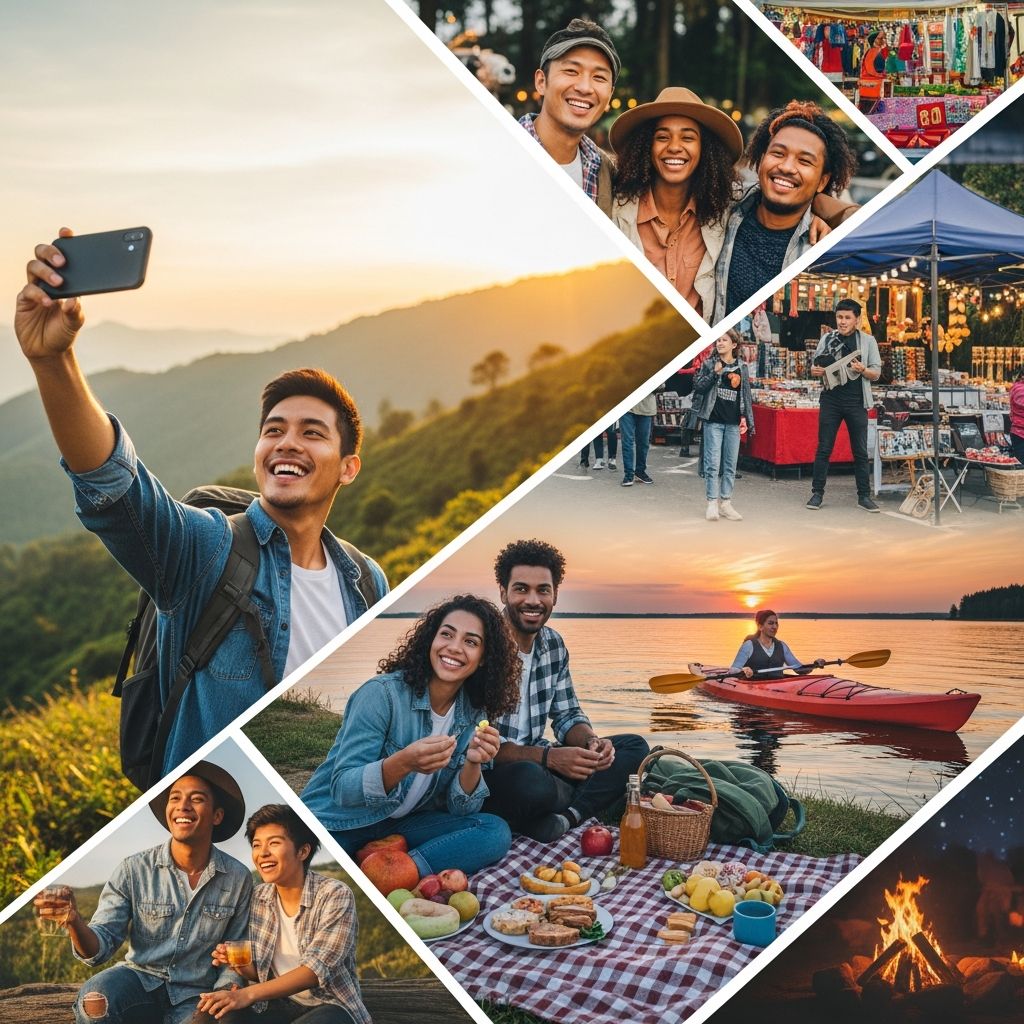
Redefining Adventure Through Financial Flexibility
The misconception that meaningful adventures require substantial financial investment often prevents people from pursuing experiences that could enrich their lives. Adventure doesn’t need to involve expensive plane tickets, luxury accommodations, or specialized equipment costing thousands of dollars. Instead, adventure exists in the everyday opportunities within your immediate surroundings—waiting to be discovered by those willing to shift their perspective. By adopting a mindset focused on experience rather than expense, you can access countless opportunities for exploration, learning, and excitement that cost little to nothing.
The concept of microadventures, or small-scale explorations happening close to home, offers a practical framework for maintaining an adventurous lifestyle regardless of financial constraints. These experiences share common characteristics: they happen nearby, require minimal preparation, remain affordable, deliver genuine excitement, typically occur outdoors, and often introduce you to something entirely new. This approach democratizes adventure, making it accessible to everyone regardless of income level or employment status.
Exploring Hidden Trails and Natural Spaces in Your Area
One of the most accessible entry points to affordable adventuring involves discovering the natural spaces already present in your community. Most neighborhoods contain parks, nature reserves, greenways, or trails that residents overlook in favor of distant, well-known destinations. These local trails offer several advantages: they eliminate transportation costs, require no entrance fees in many cases, and provide genuine connection to your natural environment.
Beginning your exploration requires minimal research. Free trail-mapping applications and community recommendation networks can identify worthwhile routes within minutes. Asking longtime residents about favorite walking paths often reveals lesser-known spots that offer superior experiences compared to heavily trafficked tourist attractions. Early morning excursions, particularly during sunrise hours, enhance the experience while typically avoiding crowds.
Consider varying your approach to familiar trails by visiting at different times of day or seasons, which completely transforms the visual landscape and wildlife encounters. A hiking route in spring presents entirely different botanical features compared to the same path during autumn. This strategy multiplies the value of each trail by creating multiple distinct experiences without traveling farther or spending additional resources.
Creating Memorable Outdoor Experiences Through Simple Planning
Transforming a basic outdoor outing into a memorable adventure often depends more on intentional planning than expensive equipment or exotic locations. Simple additions—such as packing homemade refreshments, bringing journaling supplies, or creating photography objectives—convert standard activities into focused experiences worthy of remembrance.
Outdoor dining experiences, commonly called picnics, exemplify how minimal resources create maximum enjoyment. Rather than purchasing pre-made meals from expensive establishments, preparing food at home reduces expenses significantly while often improving quality. Creative presentation, comfortable seating arrangements (even if just a blanket on the ground), and thoughtful beverage selections elevate the experience. These elements cost substantially less than restaurant dining while creating more intimate, personalized experiences.
Photography pursuits offer another low-cost way to engage with familiar landscapes. Focusing your attention on capturing specific visual elements—texture, color, architectural details, or wildlife—forces closer observation and deeper appreciation of ordinary surroundings. Most smartphones now include capable camera functionality, eliminating the need for expensive equipment to pursue this interest meaningfully.
Leveraging Community Resources and Public Programming
Most communities maintain extensive calendars of free or heavily subsidized programs and events that residents never discover. Local government websites, community centers, libraries, and social media groups frequently advertise guided nature walks, educational seminars, outdoor concerts, festival celebrations, and interpretive programs. These offerings, often led by knowledgeable volunteers or professional educators, provide structured experiences and opportunities to meet fellow community members sharing similar interests.
Educational institutions, museums, and cultural organizations frequently designate specific times when admission becomes free or heavily discounted. Planning visits around these designated hours maximizes learning opportunities while eliminating or minimizing entry costs. Many facilities also offer community appreciation days, teacher appreciation hours, or special programming designed to increase accessibility.
Volunteer opportunities within your community serve dual purposes: they provide meaningful activity and social connection while often including free admission to venues during volunteer hours. Many parks, nature centers, botanical gardens, and historical sites rely on volunteer support to maintain operations. Volunteering offers the bonus of deeper environmental knowledge while building relationships with people sharing conservation interests.
Interactive Activities That Combine Education and Entertainment
Scavenger hunts represent a deceptively simple yet remarkably effective approach to structuring outdoor time, particularly for families. The activity requires nothing beyond a list of items to locate—natural elements like specific leaf types, rock formations, bird species, or wildflowers. Creating personalized lists based on your specific location adds educational elements while increasing engagement.
Geocaching, a more sophisticated version of treasure hunting, utilizes GPS technology to locate hidden containers throughout your area. This activity combines navigation skills, outdoor exploration, and the anticipation of discovering hidden caches. Most geocaching remains entirely free, with optional paid premium memberships offering access to additional cache locations.
Nature documentation projects—maintaining journals recording seasonal changes, photographing wildlife, sketching botanical details, or collecting pressed specimens—transform passive observation into active engagement. These projects develop observational skills while creating personal records documenting your local environment across time periods.
Budget-Conscious Overnight Experiences
Extended adventures don’t require expensive hotel accommodations or resort reservations. Backyard camping recreates many enjoyment elements of wilderness experiences while maintaining proximity to home comforts. Setting up tents, cooking over campfires (even makeshift ones), telling stories under the stars, and experiencing outdoor spaces after dark create genuine camping experiences with minimal expense.
When traveling beyond your immediate area, alternative accommodations significantly reduce costs while often providing superior experiences. Camping on public lands, staying in budget-focused hostels, utilizing house-sitting arrangements, or exploring alternative accommodations like unconventional structures designed for sustainability all offer substantially lower costs than traditional hotels. Road trips, when planned strategically, can cost less than maintaining your routine at home.
Day trips combining multiple free or low-cost activities—hiking, picnicking, visiting community attractions, and photographing scenic locations—maximize the value of travel time while maintaining manageable expenses. Planning routes that incorporate multiple points of interest reduces per-attraction transportation costs.
Transforming Routine Activities Into Adventures
Adventure isn’t confined to designated outdoor spaces or special occasions. Regular commuting, neighborhood walking, or simple errands become adventures when approached with intentional attention. Bike commuting, varying your walking routes, exploring different neighborhoods systematically, or photographing architectural elements during routine transit create engagement with your environment.
Seasonal activities unique to your climate—sledding in winter, swimming in summer, leaf-pile play in autumn, or wildflower hunting in spring—offer free or low-cost experiences that define each season. These activities often carry nostalgic value and create meaningful memories disproportionate to their expense.
Group activities within your community—volunteer cleanups, group fitness classes in parks, community sports leagues, or neighborhood games—combine adventure with social connection. Many communities provide free programming designed to encourage outdoor participation and community bonding.
Skill Development and Creative Pursuits Outdoors
Learning new skills through outdoor practice represents an adventure category often overlooked. Survival skills, orienteering, wildlife identification, botanical knowledge, or photography techniques can be developed through free or low-cost community programs, library resources, or self-directed learning combined with outdoor practice.
Creative projects incorporating natural materials—art projects, crafting, building structures, or documenting findings—combine outdoor exploration with creative expression. These activities cost minimal amounts while producing tangible outputs reflecting your experience.
Reading outdoors in different locations—parks, waterfront areas, botanical gardens, or hilltops with scenic views—transforms routine reading into special experiences. Combined with photography or journaling, outdoor reading creates multifaceted experiences utilizing minimal resources.
Frequency and Consistency as Adventure Multipliers
Rather than pursuing infrequent expensive trips, consistent regular adventures offer superior long-term value and satisfaction. Weekly or bi-weekly explorations of local areas, when accumulated across a year, create substantial experience depth while maintaining minimal financial commitment. This consistency builds genuine relationships with your local environment, often revealing details and seasonal changes invisible to occasional visitors.
Establishing adventure routines—sunrise hiking, weekend neighborhood exploration, monthly trail visits, or seasonal activity traditions—creates structure encouraging regular participation while maintaining low costs. These routines transform adventure from exceptional occurrence into integrated lifestyle element.
Community Connection and Social Adventure Elements
Sharing adventures with others multiplies enjoyment while distributing costs across multiple people. Group activities, whether guided community walks, collective geocaching expeditions, or informal friend gatherings, create social connection alongside exploration. Many communities maintain active groups specifically organized around outdoor interests, from hiking clubs to photography meetups to naturalist associations.
Family adventures specifically benefit from budget consciousness, as experiences shared across multiple people inherently become more cost-effective per person. Children often derive greater enjoyment from exploration, discovery, and interaction than from expensive attractions, making budget adventures particularly suitable for family bonding.
Essential Gear and Equipment Strategies
While adventures don’t require expensive specialized equipment, a few basic items enhance comfort and safety. Establishing a simple kit—water bottles, appropriate footwear, weather-appropriate clothing, basic first aid supplies, and navigation tools—requires one-time modest investment while lasting years. Borrowing equipment initially or purchasing from secondhand sources reduces startup costs further.
Modern smartphones consolidate functions previously requiring separate purchases: flashlights, maps, photography equipment, and journals. This consolidation substantially reduces equipment expenses for contemporary adventurers.
Overcoming Financial and Logistical Obstacles
Financial constraints needn’t prevent adventure participation. Many obstacles prove surmountable through creative planning: researching free programming, utilizing public transportation, timing visits around discount hours, preparing meals at home, and recruiting companions to share costs represent practical strategies.
Similarly, time limitations can be addressed through flexible scheduling and proximity-focused adventures. Short evening outings, early-morning explorations, or weekend activities can be incorporated without requiring substantial time investment or vacation days.
Tracking Progress and Creating Lasting Records
Documenting adventures through journals, photography, maps, or collection records creates lasting value transcending the immediate experience. These records facilitate later reflection, reveal patterns in your exploration, and create tangible artifacts from intangible experiences. Creating adventure logs measuring distance traveled, locations visited, or new discoveries incentivizes continued participation while building satisfying personal records.
Frequently Asked Questions
Q: What qualifies as a legitimate adventure if it doesn’t involve expensive travel?
A: Adventures need not involve distant locations or significant expenses. Meaningful adventures occur when you experience something new, engage in genuine exploration, learn skills, or connect deeply with your environment—all achievable through local, budget-conscious approaches.
Q: How do I discover lesser-known local attractions and trails?
A: Utilize free trail applications, consult local social media groups, ask long-time residents, check community center bulletin boards, and explore your neighborhood systematically. Many hidden gems remain undiscovered by newcomers simply because they require intentional searching.
Q: Is it possible to have meaningful adventures while maintaining financial responsibility?
A: Yes—meaningful experiences depend primarily on engagement and perspective rather than spending. Consistent local exploration, creative activity planning, and community participation create deeply satisfying adventures within any budget.
Q: What resources help identify free community programming and events?
A: Check local government websites, follow community center social media accounts, visit library programming calendars, join neighborhood Facebook groups, and contact visitor centers. Most communities maintain comprehensive free activity directories.
Q: How can I encourage family participation in budget adventures?
A: Involve children in planning, create element competitions or scavenger hunt objectives, combine physical activity with interactive games, and allow opportunities for creative expression. Families often derive greater satisfaction from discovery and exploration than from expensive attractions.
References
- Adventure on a Budget: Affordable Outdoor Activities That Won’t Break the Bank — Avalanche Outdoor Supply. Accessed January 2026. https://www.avalancheoutdoorsupply.com/blogs/avalanche-blogs/adventure-on-a-budget-affordable-outdoor-activities-that-won-t-break-the-bank
- 100 Ways To Adventure Cheaply In Fall & Winter — Thriller Mom. Accessed January 2026. https://www.thrillermom.com/blog/100-ways-to-adventure
- Our Favorite Quick-and-Cheap Adventures — Outside Online. Accessed January 2026. https://www.outsideonline.com/adventure-travel/advice/our-favorite-quick-and-cheap-adventures/
- 25 Budget-Friendly Summer Activities for Solo Adventurers and Friends — Argendon. Accessed January 2026. https://www.argendon.com/blogs/all/25-budget-friendly-summer-activities-for-solo-adventurers-and-friends
- 37 Ideas for an Epic Mini Adventure Or Microadventure — Mama Bear Outdoors. Accessed January 2026. https://mamabearoutdoors.com/2021/01/25/33-ideas-for-an-epic-mini-adventure-or-microadventure/

- Integrated M.A. in Applied Linguistics, University of Hyderabad
- 5+ years in editorial, instructional, SEO, and research-based writing
Sneha is a relationships and lifestyle writer with a strong foundation in applied linguistics and certified training in relationship coaching. She brings over five years of writing experience to theskillvault, crafting thoughtful, research-driven content that empowers readers to build healthier relationships, boost emotional well-being, and embrace holistic living. Her writing and insights reflect the belief that beauty, happiness, and wellness…