
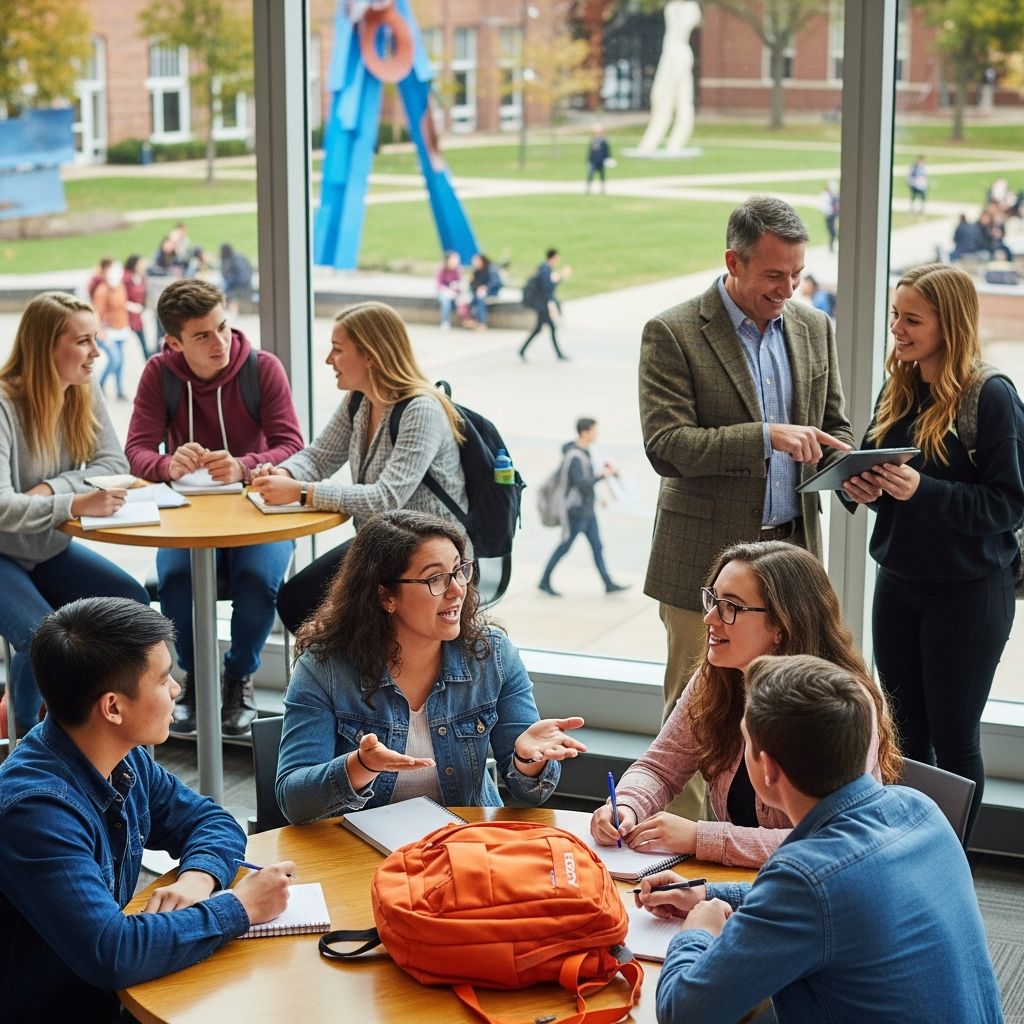
Positive relationships between educators and students form the cornerstone of effective teaching and learning. These bonds create environments where students feel valued, safe, and motivated, leading to improved academic outcomes and personal growth. Research consistently shows that when teachers invest in understanding and connecting with their students, engagement rises, behavioral challenges decrease, and overall school climate improves.
Why Relationships Matter in Modern Classrooms
In today’s diverse and fast-paced educational landscape, strong interpersonal connections are more crucial than ever. Students facing academic pressures, social challenges, and external stressors benefit immensely from supportive adult figures. A positive school atmosphere, built on trust and respect, directly correlates with higher attendance, better test scores, and reduced dropout rates.
Educators who prioritize relationships report greater job satisfaction and efficacy. By greeting students warmly, showing genuine interest, and validating their experiences, teachers can transform passive learners into active participants. This foundation of care encourages risk-taking in learning and builds resilience against setbacks.
- Enhanced academic performance through increased motivation
- Improved social-emotional skills and self-confidence
- Fewer disciplinary incidents due to mutual respect
Core Principles for Building Lasting Bonds
Effective relationship-building rests on several key principles derived from educational psychology and classroom practice. Consistency, empathy, and authenticity are non-negotiable. Teachers must model the behaviors they wish to see, such as active listening and fair treatment, while adapting to individual student needs.
Psychological safety plays a pivotal role. When students know it’s acceptable to make mistakes, they engage more deeply. Praising effort over innate talent reinforces a growth mindset, helping learners view challenges as opportunities rather than threats.
| Principle | Description | Impact |
|---|---|---|
| Consistency | Maintain clear expectations and reliable routines | Builds trust and predictability |
| Empathy | Acknowledge emotions and perspectives | Fosters emotional security |
| Authenticity | Share genuine interactions and vulnerabilities | Encourages reciprocal openness |
| Equity | Address cultural and individual differences | Promotes inclusivity |
Practical Strategies to Connect Daily
Implementing simple, daily practices can yield profound results. Start with personalized greetings at the door—using students’ names and a positive comment sets an uplifting tone. During transitions or free moments, engage in brief conversations about interests, weekends, or hobbies to humanize the classroom experience.
Structured activities amplify these efforts. Incorporate peer collaboration through group projects, debates, or restorative discussions. Co-design elements of the curriculum with student input, such as choosing topics or classroom rules, to empower them and demonstrate value for their voices.
- Greet individually: Smile, make eye contact, and ask a quick personal question
- Learn backgrounds: Use surveys or one-on-one chats to understand histories and preferences
- Praise effort: Offer specific, ratio-balanced positive feedback (5:1 positive to negative)
- Model behaviors: Verbalize your emotional regulation and social skills
- Create engagement time: Schedule unstructured peer interactions
Track your interactions with a simple log to ensure positives outweigh corrections. This data-driven approach helps maintain balance and highlights areas for growth.
Overcoming Common Challenges in Relationship Building
Not every connection forms easily. Large class sizes, diverse needs, and student reluctance can pose hurdles. Begin with low-stakes interactions to build gradually. For resistant students, proximity—standing near them during activities—can normalize engagement without pressure.
Cultural sensitivity is essential. Validate diverse identities by incorporating relevant examples and seeking feedback on inclusive practices. Even if some students remain distant, consistent kindness fosters baseline respect conducive to learning.
Self-care for educators prevents burnout. Boundaries protect relationships; sharing appropriate personal stories models healthy vulnerability without overstepping professionalism.
Measuring Success and Long-Term Impact
Track progress through observations: note increased participation, voluntary questions, and peer support. Student surveys on belonging provide direct feedback. Schools see systemic benefits like lower exclusionary discipline and higher teacher retention when relationships thrive.
Longitudinally, these bonds equip students with skills for future success—strong social networks, resilience, and motivation persist beyond the classroom.
Frequently Asked Questions
What is the ideal ratio of positive to negative interactions?
Research recommends at least five positive interactions for every negative one to sustain motivation and trust.
How can busy teachers find time for personal connections?
Integrate into routines: greet at doors, chat during transitions, and use quick surveys for insights without extra time.
What if a student rejects relationship-building efforts?
Persist with kindness and respect; mutual respect can still support learning even without deep friendship.
Does this apply to all grade levels?
Yes, adapted strategies work from elementary through high school, focusing on age-appropriate engagement.
How do relationships affect classroom management?
They reduce disruptions by building respect and intrinsic motivation, minimizing need for strict discipline.
Advanced Techniques for Deeper Engagement
Beyond basics, leverage technology like interest-sharing apps or virtual check-ins. Attend extracurriculars to show holistic support. Implement ‘relationship circles’ for reflective sharing, strengthening class unity.
Professional development hones these skills. Workshops on cultural competency and emotional intelligence equip teachers for diverse classrooms. Collaborative planning with colleagues shares successful tactics.
Equity-focused approaches ensure marginalized students receive targeted support. This includes culturally responsive teaching and bias-awareness training, vital for inclusive bonds.
References
- How to Build Positive Relationships with Students — Institute of Education Sciences (IES). 2023. https://ies.ed.gov/learn/blog/how-build-positive-relationships-students
- Building positive relationships with students: What brain science says — Understood.org. 2023. https://www.understood.org/en/articles/brain-science-says-4-reasons-to-build-positive-relationships-with-students
- Building Relationships with Students: 8 Ways to Connect — PBIS Rewards. 2023. https://www.pbisrewards.com/blog/building-relationships-with-students-8-ways-connect/
- Building Relationships: The Heartbeat of Learning — Meemic Foundation. 2023. https://www.meemicfoundation.org/resources/blog/educational-community-speaks/building-relationships-with-students
- Building Authentic Relationships With Students — Edutopia. 2023. https://www.edutopia.org/article/building-strong-relationships-with-students/
- The Importance of Strong Relationships — The Education Trust. 2023. https://edtrust.org/rti/the-importance-of-strong-relationships/

Medha Deb is an editor with a master's degree in Applied Linguistics from the University of Hyderabad. She believes that her qualification has helped her develop a deep understanding of language and its application in various contexts. Medha specializes in the areas of beauty, health, sports, and wellness and is committed to ensuring that the content on the website is…