
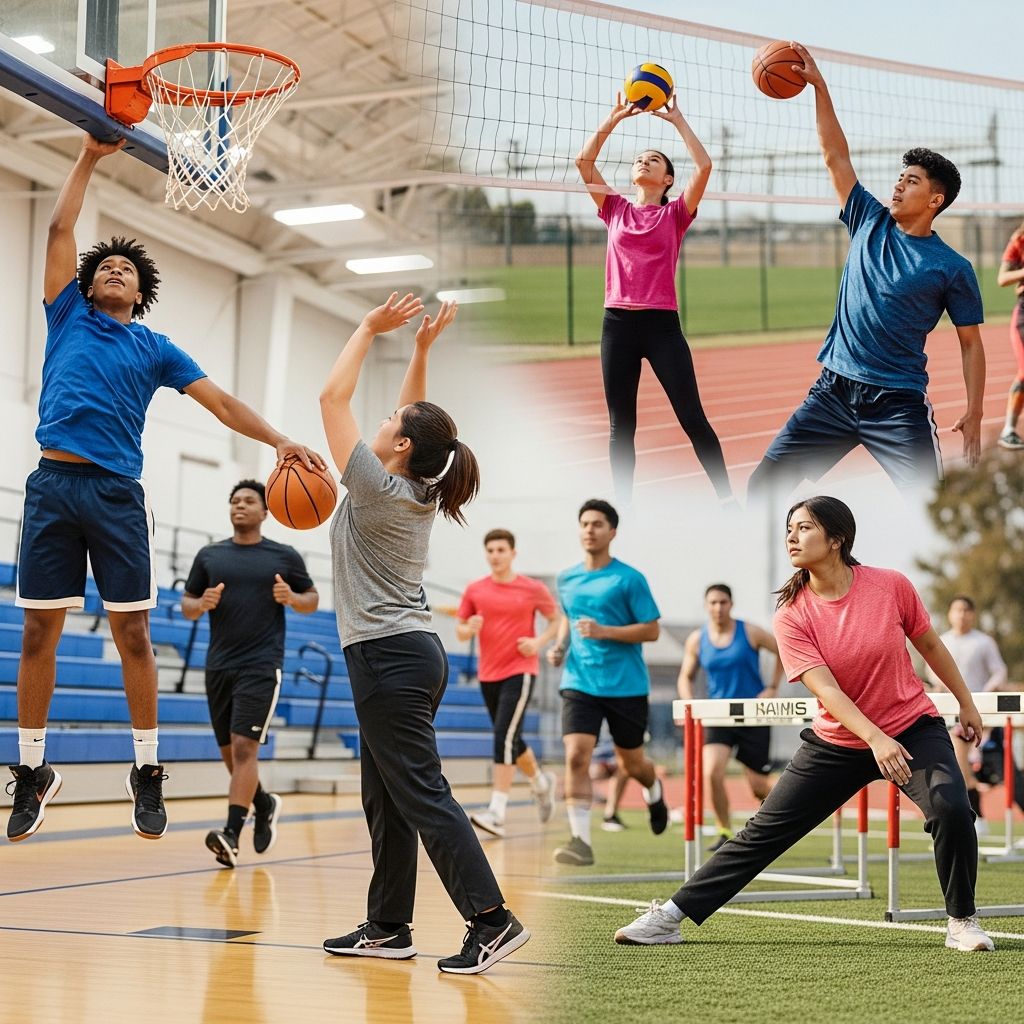
High school students across the United States, particularly in states like California, must fulfill specific physical education (PE) requirements to earn their diplomas. These mandates promote health, fitness, and lifelong physical activity while accommodating various student needs through exemptions and alternatives.
Statewide Minimum Standards for Graduation
California law establishes clear baselines for PE in high school graduation. Students need to complete two full courses in physical education unless exempted under specific provisions. Each course typically spans one school year, ensuring substantial engagement with physical activities designed to enhance health and mental vigor.
These requirements apply uniformly to grades 9 through 12, integrating into broader graduation criteria that include subjects like English, math, and science. Local education agencies (LEAs) adopt course studies emphasizing eight key content areas, delivered progressively across the high school years. This sequence covers motor skills, fitness concepts, and activities suitable for ongoing wellness.
Instructional Time Commitments
PE classes demand dedicated time to meet educational goals. For grades 7 through 12, students must receive at least 400 minutes of instruction every 10 school days, excluding recesses or lunch. This equates to roughly two 20-minute sessions per day or equivalent blocks, fostering consistent physical development.
High schools enforce this for all pupils not excused or exempted. Exceptions allow up to 24 clock hours off for driver training in grades 10-12, provided students still accumulate 7,000 minutes annually. Such structures ensure PE remains a priority without overwhelming schedules.
Credit Structures and Local Variations
While state minimums set two courses, districts often require more. For instance, some mandate 20 credits total, with each semester worth 5 credits. Freshmen typically start with foundational classes building fitness, health knowledge, nutrition, and skills like swimming or dance.
| Grade Level | Typical Focus Areas | Credit Value per Semester |
|---|---|---|
| 9th Grade | Fitness, Health, Nutrition, Dance, Swimming | 5 credits |
| 10th Grade | Weight Training, Team Sports | 5 credits |
| 11th-12th | Pilates, Yoga, Advanced Sports | 5 credits |
Upperclassmen curricula shift toward specialized training, preparing students for personal fitness goals. Charter schools and unified districts align with these, sometimes suspending certain tests while upholding credit needs.
Fitness Assessments and Eligibility
The Fitnessgram test, administered annually to 9th graders (and grades 5 and 7), evaluates physical readiness. It includes five components: aerobic capacity, muscular strength, endurance, flexibility, and body composition. Passing four out of five qualifies students for advanced options like sports PE.
- Aerobic Capacity: Measures cardiovascular endurance via PACER or mile run.
- Muscular Strength: Push-ups or trunk lifts.
- Endurance: Curl-ups or sit-ups.
- Flexibility: Sit-and-reach test.
- Body Composition: BMI or skinfold measures.
Students get one retake for absences or failures, with tests occurring February to April. Preparation involves daily body-weight exercises and flexibility routines.
Alternatives: Sports and Extracurricular Credits
Athletic participation offers PE credit pathways. Eligible students can earn 2.5 credits per season (fall, winter, spring), up to 5 annually. Requirements include passing the 9th-grade Fitnessgram (4/5 assessments), earning D or better in freshman PE both semesters, and maintaining a 2.0 GPA per season while ending in good standing.
Marching band often qualifies similarly. For 9th graders, completing two seasons plus Fitnessgram success grants end-of-year credit. This incentivizes involvement in school sports, balancing academics and athletics.
Districts like those in San Francisco require 20 credits or 240 hours of supervised activity, accommodating exemptions with alternative courses.
Exemption and Excuse Policies
California Education Code Section 51241 outlines three exemptions:
- Academic Exemption: Top 5% of class by GPA, verified by principal letter.
- Military Service: Enrollees in Reserve Officer Training Corps (ROTC).
- Adaptive PE: For students unable to participate regularly due to disabilities.
Excuses differ: medical notes from doctors excuse participation for up to one year, requiring documentation. Non-medical exemptions need administrator approval via forms detailing reasons.
Even exempted students may access PE electives. Passing is district-defined, often a D average. Requiring two years locally doesn’t auto-exempt; it sets the bar.
Curriculum Content Across Grade Levels
High school PE courses must span eight areas: instruction, movement skills, self-image, social interaction, group dynamics, aerobic/anaerobic activities, skill improvement, and stress management. Not every class covers all, but the full program does over two years.
Elementary contrasts with 200 minutes per 10 days for grades 1-8. High school builds on this, emphasizing vigor-promoting activities. Courses failing content standards can’t count toward requirements; LEAs verify alignment.
Practical Tips for Compliance
Parents and students should review district handbooks early. Track credits via transcripts, confirm Fitnessgram dates, and submit exemption forms promptly. For sports credit, monitor GPA and communicate with coaches.
Schools administer Fitnessgram to all, including charters, per EC 60800. Contact PE chairs for specifics.
Frequently Asked Questions
What is the minimum PE for high school graduation in California?
Two year-long courses, unless exempted.
How many minutes of PE per 10 school days?
400 minutes for grades 7-12.
Can sports count for PE credit?
Yes, with Fitnessgram passage, grades, and GPA minimums in eligible districts.
What if a student needs a medical excuse?
Doctor’s note valid up to one year; renew as needed.
Do charter schools follow the same rules?
Yes, including Fitnessgram for grades 5,7,9.
Why PE Matters Beyond Credits
These requirements cultivate habits reducing obesity risks, boosting mental health, and improving academic performance. Structured programs equip students with tools for lifelong activity, from yoga to team sports.
References
- Physical Education Department – Prospect High School — Cupertino Union High School District. 2026-02-06. https://prospect.cuhsd.org/apps/pages/PEDept
- Physical Education FAQs – Professional Learning — California Department of Education. Accessed 2026. https://www.cde.ca.gov/ci/pl/physeducfaqs.asp
- High School PE Guidelines — Oakland Unified School District. Accessed 2026. https://www.ousd.org/physical-education/high-school-pe-guidelines
- Physical Education – Curricula — South San Francisco Unified School District. Accessed 2026. https://southcity.ssfusd.org/apps/pages/index.jsp?uREC_ID=1793283&type=d&pREC_ID=1965219
- State Minimum High School Graduation Requirements — California Department of Education. Accessed 2026. https://www.cde.ca.gov/ci/gs/hs/hsgrmin.asp

Medha Deb is an editor with a master's degree in Applied Linguistics from the University of Hyderabad. She believes that her qualification has helped her develop a deep understanding of language and its application in various contexts. Medha specializes in the areas of beauty, health, sports, and wellness and is committed to ensuring that the content on the website is…