
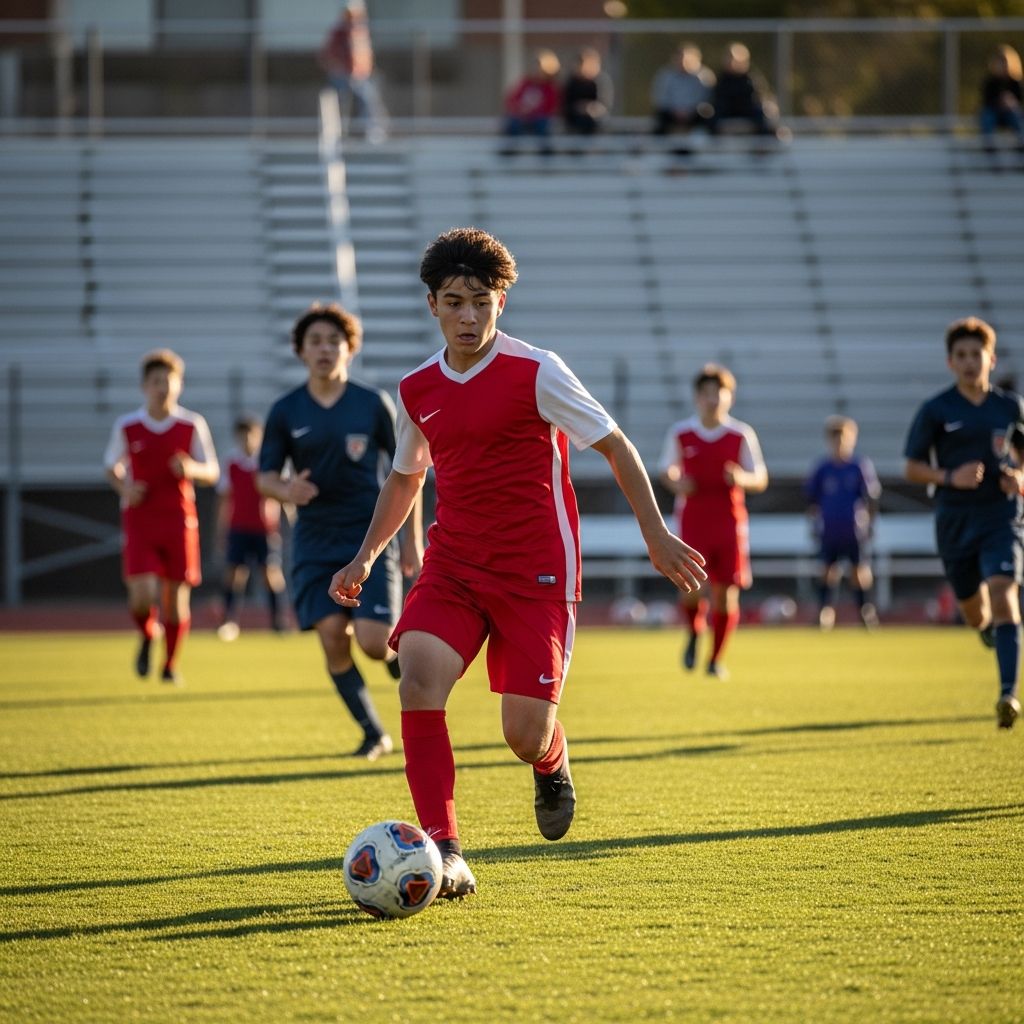
Homeschooled students across the United States often seek ways to engage in competitive sports through public school programs. Participation possibilities depend heavily on state-specific regulations, ranging from open access to strict limitations. This article examines the legal landscape, practical steps for involvement, and the broader impacts on student development.
Understanding the Legal Framework for Participation
The ability of homeschooled students to play on public school teams stems from a patchwork of state laws, athletic association bylaws, and local district policies. Many states have adopted provisions inspired by “Tim Tebow laws,” named after the homeschooled quarterback who competed in Florida public schools. These laws generally permit access if certain conditions like residency, academic performance, and sometimes partial enrollment are satisfied.
Key factors influencing eligibility include proof of academic progress via transcripts, standardized tests, or portfolios; residency within the district; and compliance with health requirements such as physical exams. Athletic associations, like state high school activity organizations, often enforce these rules to ensure fairness.
State-by-State Breakdown of Access Levels
Regulations differ widely. Approximately 20 states offer relatively straightforward access, while others impose barriers or leave decisions to local authorities. Below is a categorized overview based on current policies.
States with Broad Access (Tim Tebow Law States)
These jurisdictions explicitly allow homeschool participation without mandating full-time attendance, provided eligibility is met:
- Alabama, Arizona, Colorado, Florida: Full access with academic verification and district residency.
- Iowa, Minnesota, Nevada, New Hampshire: Dual enrollment options facilitate sports involvement.
- Ohio, Oregon, Pennsylvania, South Carolina: Standard eligibility applies, including GPA and test scores.
- Tennessee, Utah, Vermont, Wyoming: Notice of intent or basic approvals suffice.
States Requiring Partial Enrollment or Approvals
In these areas, homeschoolers must typically enroll part-time or secure permissions:
| State | Key Requirements | Citation |
|---|---|---|
| Alaska | Accredited programs or alternative education; specific statutes apply. | |
| Arkansas | District approval, testing, possible weekly attendance. | |
| Idaho | Test/portfolio for grade level; dual enrollment required. | |
| Illinois | Part-time enrollment; schools decide credits and residency. | |
| Indiana | 70% curriculum passing, 3-year enrollment history, one credit at public school, state exams. | |
| Michigan | 66% full credit load enrollment. | |
| Missouri | Part-time enrollment and academic standards. | |
| Nebraska | Minimum 10 credit hours per semester. |
States with Local or No Statewide Policy
Where no uniform law exists, districts hold discretion:
- Georgia, Hawaii, Kansas, Kentucky, North Carolina, Texas: School-level decisions.
- New Jersey, Virginia: Board/principal approval, though rare in some cases.
- South Dakota: School board consent needed.
States like Oklahoma illustrate restrictions; homeschoolers are ineligible for public school teams per athletic association rules, though debates persist.
Navigating Eligibility: Practical Steps for Families
To pursue participation, families should start early. Contact the target school’s athletic director or principal to inquire about policies. Gather documentation including:
- Academic records (transcripts, grades, test scores).
- Proof of residency.
- Health forms and physicals.
- Any required notices of homeschool intent.
Partial enrollment might involve one or more classes, counting toward credit loads. Maintain open communication, as policies can evolve with legal challenges or association updates.
Benefits of Sports for Homeschooled Students
Beyond competition, public school sports foster teamwork, discipline, and physical fitness. Socially, they provide peer interactions often limited in homeschool settings, aiding emotional growth. Athletically talented students gain exposure for college recruitment, enhancing applications with demonstrated leadership and commitment.
Research links extracurriculars to improved college readiness, with athletes showing higher persistence rates in higher education.
Challenges and Common Hurdles
Barriers include transportation logistics, scheduling conflicts with homeschool routines, and potential biases against non-traditional students. Some districts fear competitive disadvantages or administrative burdens. Families in restrictive states might explore private leagues, homeschool athletic networks, or online school hybrids offering sports access.
In cases of denial, appeals through school boards or state education departments are possible, supported by precedents affirming equal access under certain laws.
Pathways to College Athletics for Homeschoolers
Homeschoolers aspire to NCAA or NAIA sports? The NCAA Eligibility Center now recognizes homeschool diplomas directly, eliminating prior waivers. Register early, submit transcripts evaluated by approved agencies, and meet core course GPA thresholds (typically 2.3 for Division II, 2.2 for I).
Core courses must cover English, math, science, etc., verified via portfolios. Homeschoolers compete equally once cleared, with success stories abound.
Alternative Athletic Options
Not all paths lead to public schools. Consider:
- Homeschool sports leagues (e.g., NCHBC affiliates).
- Club teams (AAU, US Club Soccer).
- Community recreation programs.
- Private or charter school teams open to homeschoolers.
These build skills and resumes without public school dependencies.
Frequently Asked Questions (FAQs)
Do all states allow homeschoolers in public sports?
No, access varies; about half permit it with conditions, others restrict or prohibit.
What documents prove academic eligibility?
Transcripts, test scores, portfolios showing grade-level proficiency.
Can homeschoolers get college athletic scholarships?
Yes, via NCAA/NAIA processes designed for homeschoolers.
What if my district says no?
Check state law, appeal to board, or seek alternatives like clubs.
Does participation require full-time enrollment?
Rarely; part-time or none in permissive states.
Strategic Tips for Success
Plan curricula around eligibility (e.g., align with core courses). Build relationships with coaches early. Track all communications for advocacy. Stay updated via HSLDA or state homeschool groups.
Ultimately, balancing homeschool flexibility with sports builds well-rounded individuals primed for future success.
References
- Quick Guide: Homeschool Students in Public School Sports — Steppingblocks. 2023. https://blog.steppingblocks.com/quick-guide-homeschool-students-in-public-school-sports
- Homeschoolers in Sports: A State-by-State Guide — Northgate Academy. 2024. https://www.northgateacademy.com/blog/homeschoolers-in-sports-a-state-by-state-guide/
- NCAA Guidelines for Home School Students — Homeschooling in Oklahoma. 2023. https://www.homeschoolinginoklahoma.com/subjects/health/sports
- Public School Access for Homeschoolers — HSLDA. 2024-10-15. https://hslda.org/post/public-school-access-for-homeschoolers-in-oklahoma
- FOR THE PARENT – ELIGIBILITY — OSSAA. 2025. https://ossaaillustrated.com/for-the-parent-eligibility/
- Oklahoma Homeschool Laws — National Homeschool. 2024. https://www.nationalhomeschool.com/oklahoma-homeschool-laws/

- Integrated M.A. in Applied Linguistics, University of Hyderabad
- 5+ years in editorial, instructional, SEO, and research-based writing
Sneha is a relationships and lifestyle writer with a strong foundation in applied linguistics and certified training in relationship coaching. She brings over five years of writing experience to theskillvault, crafting thoughtful, research-driven content that empowers readers to build healthier relationships, boost emotional well-being, and embrace holistic living. Her writing and insights reflect the belief that beauty, happiness, and wellness…