
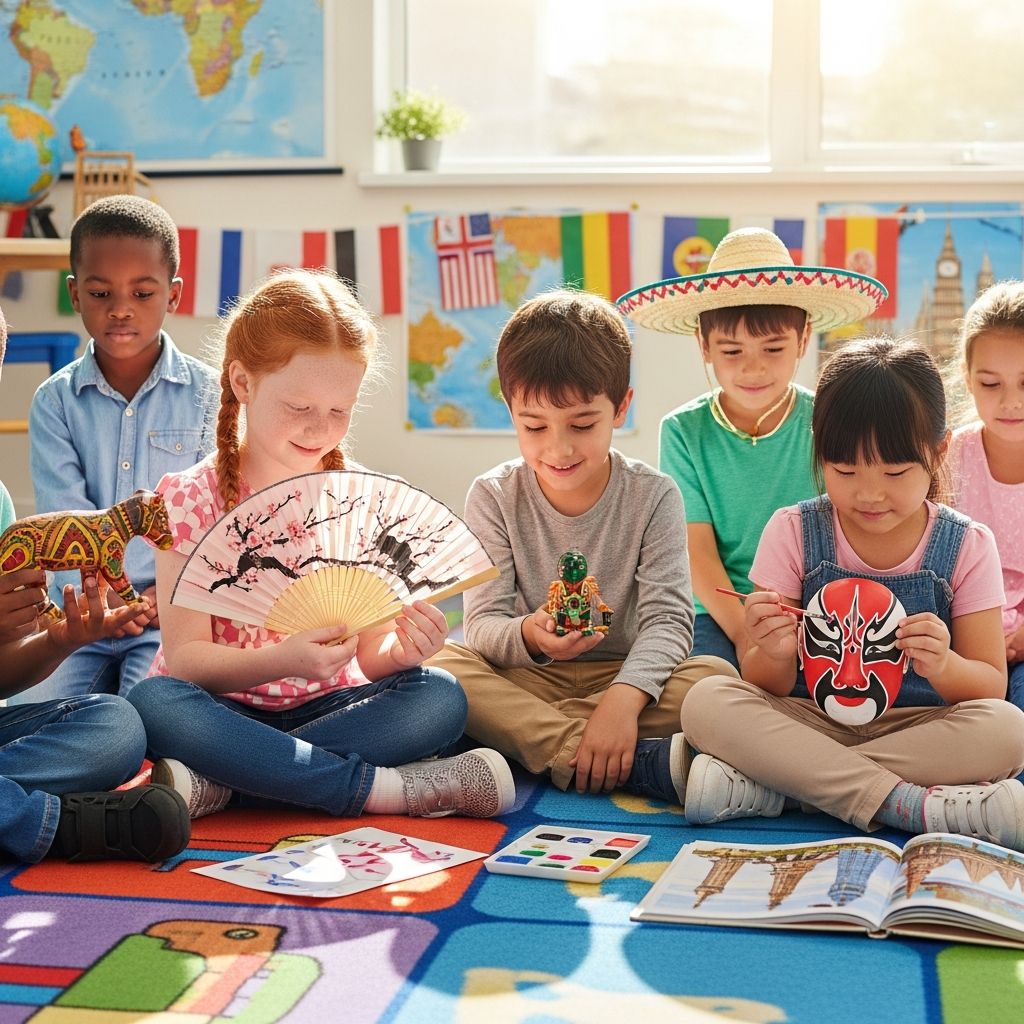
In today’s interconnected world, classrooms reflect a tapestry of backgrounds, languages, and traditions. Integrating cultural celebrations transforms these spaces into vibrant hubs of learning where students gain appreciation for differences and commonalities. This approach not only enriches academic experiences but also nurtures empathy, reduces biases, and prepares young minds for global citizenship.
Building a Foundation with Cultural Calendars
Start the year by co-creating a **cultural calendar** that spotlights holidays from students’ heritages. This visual tool serves as a roadmap for meaningful discussions and activities throughout the school term. Select dates based on class demographics to ensure representation, such as Lunar New Year for Asian families or Eid for Muslim students.
Each marked day prompts simple engagements: craft symbolic items like dragon masks for Chinese New Year or share stories behind Diwali lamps. Compare how universal events like New Year’s Eve vary—fireworks in Brazil’s Réveillon versus Japan’s temple bell tolling 108 times. This method demystifies traditions, sparking curiosity without overwhelming schedules.
For major local holidays like Thanksgiving, shift focus inward. Students recount family rituals, from Korean-American fusion dishes to Indigenous harvest thanksgivings. Compile these into a class recipe book, blending narratives with photos for a keepsake that reinforces community bonds.
Exploring Rhythms and Visions Through Music and Art
Music and visual arts offer immersive gateways to cultural understanding. Collaborate with specialist teachers to curate playlists featuring artists from students’ origins—reggaeton from Latin America, klezmer from Jewish traditions, or Afrobeat from West Africa. Analyze rhythms: how do steel drums evoke Caribbean shores versus taiko drums’ thunderous Japanese power?
Hands-on sessions amplify impact. Students replicate art forms: intricate mehndi patterns for Holi, vibrant Day of the Dead sugar skulls, or Aboriginal dot paintings. Display these on rotating **multicultural walls**, updating with artist bios and fun facts. Introduce folk instruments via videos or loans—maracas, didgeridoos, or bodhráns—turning lessons into sensory adventures.
Such activities align with research showing arts integration boosts retention and cultural empathy. Primary sources like the U.S. Department of Education emphasize diverse curricula for equitable learning environments.
Personal Stories: Heritage Showcases and Presentations
Empower students as cultural ambassadors through **show-and-tell sessions**. Weekly, 2-3 children present artifacts—a embroidered shawl from Mexico, a dreidel from Hanukkah, or a kente cloth sample from Ghana—explaining personal significance. Parental consent ensures safety, while guidelines promote respectful listening.
Elevate this with role-playing historical figures. Students research icons like Malala Yousafzai, Frida Kahlo, or Nelson Mandela, donning costumes for dramatic retells. Extend beyond personal heritage to broaden perspectives, researching global heroes. These performances build public speaking skills alongside cultural literacy.
Virtual twists include mini-documentaries: students film family interviews on smartphones, editing clips of recipes or dances. Shared via class platforms, they create digital heritage archives accessible anytime.
Playful Learning: Games and Sports from Around the Globe
Games transcend language barriers, making them ideal for recess or rewards. Stock your space with **international game kits**: Mancala from Africa, Senet from ancient Egypt, or Japanese Go. Teach rules alongside origins, inviting students to demo family favorites like Indian Carrom or Brazilian footvolley.
Outdoor sessions mimic global sports—cricket pitches, sepak takraw circles, or kabaddi matches. Discuss popularity: soccer’s universality versus sumo’s ritualized Japanese form. These foster teamwork while subtly teaching geography and history.
| Game | Origin | Classroom Adaptation |
|---|---|---|
| Mancala | Africa/Middle East | Board game for 2-4 players; counts seeds for strategy. |
| Tangrams | China | Puzzle pieces form shapes; builds spatial skills. |
| Ludo | India | Dice-driven race; simple for groups. |
This table highlights easy-to-source options, promoting active participation over passive observation.
Storytelling and Guest Insights
Literature bridges worlds. Curate books showcasing traditions: Where the Wild Things Are alongside The Name Jar for Korean-American experiences. Read-alouds prompt discussions on shared themes like family or resilience.
- Invite family speakers for “cultural spotlights”—a grandmother demonstrating lumpia-making or a parent leading a Bollywood dance.
- Host panels with diverse professionals sharing career paths tied to heritage.
- Virtual field trips via museums or cultural sites extend reach.
ProSolutions Training notes such interactions dismantle stereotypes and spark interests.
Family Foods: Culinary Connections
Food evokes home. Organize **taste-tests** with safe, shareable items: mochi for Japanese New Year, baklava for Greek Easter, or samosas for Indian festivals. Students provide labels with allergen info and stories—”My abuela’s tamales honor Día de los Muertos.”
Turn this into projects: recipe swaps yielding multicultural cookbooks, or cooking demos where classes prepare (and safely sample) global snacks. Partner with parents for authenticity, strengthening school-home ties as per ACSA guidelines.
Culminating Events: Fairs and Festivals
Cap the year with a **global culture fair**. Booths feature student-led demos—craft henna, play Sudanese dominoes, taste Korean bibimbap. Invite families, other classes, even community leaders. Live elements like dabke dances or multilingual sing-alongs unite crowds, echoing Edutopia’s all-year identity celebrations.
Scale up school-wide: parades with flags, performances blending traditions. These events cement learning, with surveys showing heightened belonging among participants.
Challenges and Best Practices
Not all paths are smooth. Sensitivity training avoids appropriation—focus on student-led authenticity. Accommodate allergies, faiths opting out. Document consent for shares. Resources like Colorín Colorado guide responsive planning.
Assess via journals: “What surprised you?” Track growth in surveys. Equity demands inclusion for all, per federal education standards.
Frequently Asked Questions
How do I handle sensitive holidays?
Consult families; offer opt-outs. Frame neutrally: history and customs, not endorsement.
What if my class lacks diversity?
Expand via research—celebrate global events like Bastille Day or Songkran universally.
Time-strapped? Quick wins?
Weekly 15-minute shares or Spotify cultural playlists during transitions.
How to source materials?
Libraries, online (Putumayo for music), dollar stores for games.
Measure impact?
Pre/post empathy quizzes; observe interactions.
These strategies, drawn from educator practices, ensure sustainable integration.
References
- Office for Civil Rights, U.S. Department of Education — U.S. Department of Education. 2023-10-15. https://www.ed.gov/about/ed-offices/ocr
- Culturally Responsive Instruction for Holiday and Religious Celebrations — Colorín Colorado (WETA Public Media). 2022-11-01. https://www.colorincolorado.org/article/culturally-responsive-instruction-holiday-and-religious-celebrations
- Incorporate Cultural Holidays and Celebrations into Your Social Studies Curriculum — SocialStudies.com. 2023-09-20. https://www.socialstudies.com/blog/incorporate-cultural-holidays-and-celebrations-into-your-social-studies-curriculum/
- Culture is Curriculum: Why Celebrating Culture is Critical for Schools — Association of California School Administrators (ACSA). 2024-02-12. https://edcal.acsa.org/culture-is-curriculum-why-celebrating-culture-is-critical-for-schools
- 11 Creative Ways To Celebrate Cultural Diversity In The Classroom — Continental Press. 2023-05-10. https://www.continentalpress.com/blog/cultural-diversity-in-the-classroom/
- Celebrating Diversity in the Classroom During the Holiday Season — ProSolutions Training. 2023-12-05. https://www.prosolutionstraining.com/resources/articles/celebrating-diversity-in-the-classroom-during-the-holiday-season.cfm
- 4 Ways to Celebrate Cultural Identities All Year — Edutopia. 2022-08-18. https://www.edutopia.org/article/4-ways-celebrate-cultural-identities-all-year

- Integrated M.A. in Applied Linguistics, University of Hyderabad
- 5+ years in editorial, instructional, SEO, and research-based writing
Sneha is a relationships and lifestyle writer with a strong foundation in applied linguistics and certified training in relationship coaching. She brings over five years of writing experience to theskillvault, crafting thoughtful, research-driven content that empowers readers to build healthier relationships, boost emotional well-being, and embrace holistic living. Her writing and insights reflect the belief that beauty, happiness, and wellness…