
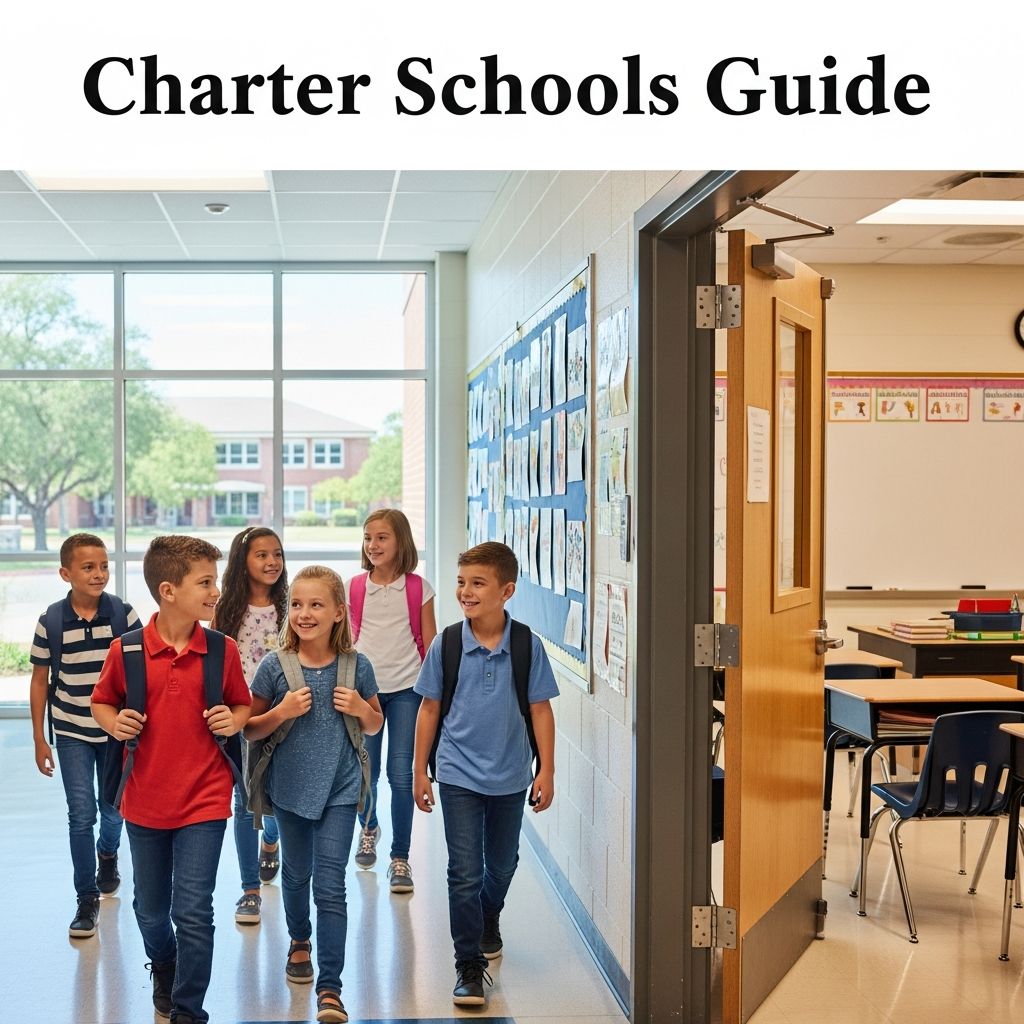
Charter schools represent a dynamic segment of the public education landscape, offering innovative alternatives within the framework of taxpayer-funded schooling. These institutions operate under a charter—a performance contract granted by a public authorizing body—that outlines specific educational goals, methods, and accountability measures. Unlike traditional public schools bound by district-wide policies, charter schools enjoy greater flexibility to design curricula tailored to unique student needs or community priorities.
What Defines a Charter School?
At their core, charter schools are tuition-free public schools established through a petition process involving parents, educators, or community leaders. They serve students from transitional kindergarten through grade 12 and must adhere to state academic standards while experimenting with teaching strategies. Authorizers, such as school districts or county boards of education, approve these petitions after rigorous review, ensuring the proposed school demonstrates potential for success.
This autonomy allows charter schools to focus on specialized programs, such as STEM, arts integration, or language immersion, fostering environments where innovation thrives. In California alone, over 1,300 such schools educate nearly 630,000 students, accounting for about 11% of the state’s K-12 population.
Historical Development of Charter Schools
The charter school movement gained momentum in the early 1990s, with Minnesota passing the nation’s first charter law in 1991. By 2026, all 50 states plus the District of Columbia have enacted charter legislation, reflecting widespread adoption of this reform model. The concept draws from public-private partnerships, aiming to blend accountability with freedom from bureaucratic constraints.
Proponents argue that charters inject competition into public education, compelling traditional schools to improve. Growth has been particularly robust in states like California, where diverse authorizing options enable countywide or statewide benefit charters.
Key Operational Models in Charter Schools
- Conversion Charters: Traditional public schools that transition to charter status, often retaining their facilities and staff while gaining flexibility.
- Startup Charters: New schools founded by nonprofit groups, universities, or community organizations, typically requiring facility leasing or construction.
- Virtual or Home-Based Charters: Online or hybrid models blending digital learning with in-person support, ideal for flexible scheduling.
- Countywide Benefit Charters: Serve students across an entire county, approved directly by county boards.
These models cater to varied demographics, from urban innovators to rural access points, expanding school choice.
Funding Mechanisms Explained
Charter schools receive public funding primarily through per-pupil allocations from state and local sources, similar to district schools. However, they often forgo access to certain district bonds or facilities funds, necessitating creative financing like grants, philanthropy, or facility bonds.
| Funding Source | Description | Typical Amount (CA Example) |
|---|---|---|
| State LCFF | Local Control Funding Formula based on attendance | $10,000–$15,000 per pupil |
| Federal Grants | Title I, IDEA for special needs | Varies by eligibility |
| Private Donations | Philanthropy and fundraising | Supplemental |
| Facilities Aid | State Prop 39 reimbursements | Rent-equivalent support |
This structure demands efficient budgeting, as charters cannot levy taxes directly.
Admission and Enrollment Processes
Enrollment is open to all eligible students via public lotteries when demand exceeds capacity, ensuring fairness. Priority may go to siblings or district residents, but no academic or demographic screens are permitted. California’s Department of Education provides directories for locating schools by county, name, or map, detailing grade spans, enrollment, and contact info.
Parents should apply early, as popular charters like those topping Niche rankings in the San Francisco Bay Area fill quickly.
Curriculum Innovations and Specializations
Charter schools excel in customization, offering:
- Project-based learning for real-world skills.
- Extended school days or years for deeper immersion.
- College-prep tracks with AP/IB emphasis.
- STEM/STEAM hubs partnering with tech firms.
- Arts, environmental, or career-technical academies.
Partnerships with community colleges or conservation corps enhance opportunities, preparing students for postsecondary success.
Accountability and Performance Oversight
Charters renew every five years based on academic outcomes, financial health, and governance. Authorizers monitor via dashboards tracking test scores, graduation rates, and chronic absenteeism. Non-performers face intervention or closure—over 15% of charters have closed nationwide due to underperformance.
In California, tools like the Charter School Locator link to API results and rankings, aiding transparency.
Pros and Cons: A Balanced View
| Advantages | Challenges |
|---|---|
| Innovative teaching methods | Facility funding gaps |
| Parental choice expansion | Variable quality across schools |
| Targeted student support | Lottery-based admission uncertainty |
| Competition drives improvement | Oversight demands on small teams |
While charters boast higher growth in some metrics, critics note segregation risks and resource inequities.
Launching Your Own Charter School
Starting a charter involves:
- Forming a founding team and conducting feasibility studies.
- Drafting a detailed petition with business plan, curriculum, and budget.
- Submitting to an authorizer like a district board.
- Securing facilities and staffing post-approval.
Success rates hover around 20-30% for first petitions, underscoring preparation’s importance.
Finding the Right Charter for Your Family
Use state locators like California’s map search or CCSA tools to filter by location, grades, and focus. Review Niche grades, parent feedback, and performance data. Visit campuses, attend info sessions, and check demographics for fit.
Impact on Traditional Public Schools
Charters foster systemic change by modeling best practices, though debates persist on resource diversion. Evidence suggests modest overall gains, with high performers elevating district standards.
Frequently Asked Questions About Charter Schools
Are charter schools free to attend?
Yes, as public schools, they charge no tuition and are funded by taxes.
Do charter schools take standardized tests?
Absolutely; they must meet the same state standards and testing requirements as traditional publics.
Can any student enroll in a charter school?
Enrollment is open, but lotteries apply if oversubscribed. No entrance exams allowed.
How are charter schools held accountable?
Through periodic charter renewals based on student outcomes and fiscal audits.
What’s the difference between charter and magnet schools?
Charters have independent governance; magnets are district-run with themed programs.
Future Directions for Charter Schools
Emerging trends include blended learning, equity-focused reforms, and facility expansions via state aid. With enrollment rising, charters will shape education’s evolution, prioritizing innovation amid accountability.
References
- Charter School Locator — California Department of Education. 2026. https://www.cde.ca.gov/ds/si/cs/
- 2026 Best Charter Schools in the San Francisco Bay Area — Niche. 2026. https://www.niche.com/k12/search/best-charter-schools/m/san-francisco-metro-area/
- The Ultimate Guide to Public Charter Schools — My School Choice. 2026. https://myschoolchoice.com/types-of-schools/public-charter-schools
- 2026 Best Charter Schools in San Francisco — Niche. 2026. https://www.niche.com/k12/search/best-charter-schools/t/san-francisco-san-francisco-ca/
- Charter Schools in California – CalEdFacts — California Department of Education. 2026. https://www.cde.ca.gov/sp/ch/cefcharterschools.asp
- Charter Schools — California School Boards Association. 2026. https://www.csba.org/charterschools
- Find a Charter School — California Charter Schools Association. 2026. https://www.ccsa.org/find-a-school

Medha Deb is an editor with a master's degree in Applied Linguistics from the University of Hyderabad. She believes that her qualification has helped her develop a deep understanding of language and its application in various contexts. Medha specializes in the areas of beauty, health, sports, and wellness and is committed to ensuring that the content on the website is…