
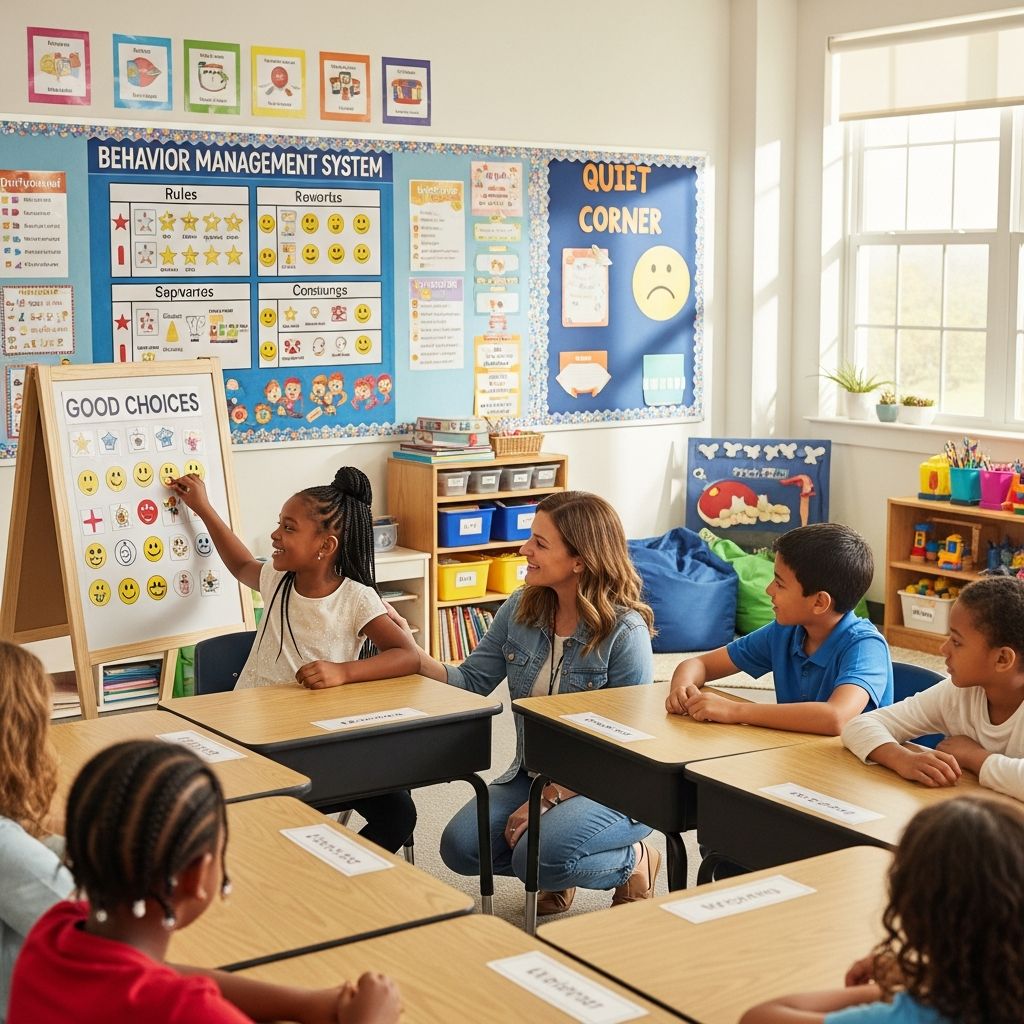
Understanding the Foundation of Classroom Behavior Management
A well-structured classroom behavior management system serves as the backbone of an effective learning environment. Teachers who invest time in developing comprehensive behavior strategies create classrooms where students understand expectations, feel safe, and are more likely to engage productively in their academic work. The process of building such a system requires thoughtful planning, intentional implementation, and ongoing refinement based on classroom dynamics and student needs.
The most successful behavior management approaches move beyond reactive discipline toward proactive systems that emphasize positive expectations and clear communication. When educators establish clear behavioral standards from the outset, students gain clarity about what constitutes appropriate conduct in various settings throughout the school day. This transparency reduces confusion, minimizes behavioral incidents, and allows teachers to focus more time on instruction rather than managing disruptions.
Essential Components of a Comprehensive Behavior Plan
Every effective behavior management system incorporates several critical elements that work together to support positive student conduct. Understanding and developing each component ensures that your plan addresses all aspects of classroom life and provides guidance for various scenarios educators encounter.
Articulating Your Vision and Purpose
Before establishing rules and consequences, educators should develop a clear statement of purpose that guides all behavioral expectations. This statement communicates why behavior management matters and what outcomes the classroom community hopes to achieve. A strong purpose statement reflects the school’s values and explains how the behavior management system supports both individual student growth and the collective learning environment. This foundational element helps students, parents, and colleagues understand the philosophical underpinnings of the classroom’s behavioral structure.
Establishing Clear Behavioral Expectations
Explicit classroom rules provide students with concrete guidance about appropriate conduct. Rather than assuming students inherently understand behavioral expectations, effective teachers articulate specific standards for how students should act during instruction, transitions, group work, and independent time. These rules should be limited in number—typically three to five core standards—making them memorable and manageable. Rules work most effectively when stated positively, focusing on what students should do rather than what they should avoid.
Creating Meaningful Consequences and Rewards
A comprehensive behavior management system addresses both positive and negative responses to student conduct. Meaningful rewards acknowledge and reinforce behaviors that align with classroom expectations, while logical consequences help students understand the connection between their actions and outcomes. Both rewards and consequences should be clearly defined, consistently applied, and proportionate to the behavior in question. This dual approach creates a balanced system that motivates positive behavior while teaching students about responsibility.
Developing Crisis Response Procedures
Even the most well-managed classrooms occasionally face serious behavioral situations requiring immediate intervention. A comprehensive plan includes explicit steps for obtaining assistance when students display dangerous or severely disruptive behavior. These procedures ensure that educators know how to respond safely and effectively when facing challenging situations, protecting both the student involved and the rest of the classroom community.
Creating an Implementation Timeline
A carefully developed action plan outlines the specific steps for introducing and establishing the behavior management system. This timeline addresses what needs to be communicated, how it will be taught, and when each element will be implemented. An effective implementation strategy recognizes that students need time to learn new expectations, and educators benefit from a structured approach to rolling out behavioral systems throughout the school year.
Strategies for Developing Classroom Rules With Students
One of the most effective approaches to establishing classroom behavioral standards involves inviting student input into the rule-creation process. When students participate in developing the expectations they will be held accountable for, they develop greater ownership of and investment in following those rules. This collaborative approach proves particularly powerful because it creates relevance and meaning around behavioral standards.
Teachers can facilitate this process by guiding classroom discussions about what behaviors support learning and safety. Younger students may need more structured support, such as choice-based prompts where they select from teacher-provided options. Older students can engage in more open-ended discussions where they brainstorm behaviors essential for a productive classroom. Regardless of grade level, the teacher’s role involves synthesizing student input into clear, consistent standards while ensuring that core behavioral expectations align with school policies and safety requirements.
Building Consistency Across the Classroom Environment
Consistency represents one of the most critical factors in successful behavior management. When teachers apply rules uniformly, respond to behaviors predictably, and follow through on stated consequences without exception, students develop clear understanding about what to expect. This consistency is particularly important for students who struggle with behavior, as predictable responses help them learn cause-and-effect relationships and make better choices.
Consistency requires several complementary practices:
- Fair treatment: Responding to identical behaviors similarly regardless of which student displays them, avoiding favoritism or selective enforcement
- Clear communication: Restating expectations regularly and ensuring students understand what behaviors meet standards
- Reliable follow-through: Implementing stated consequences and providing promised rewards consistently
- Calm demeanor: Maintaining emotional regulation when addressing behavioral issues, modeling the composure expected from students
Teaching and Practicing Behavioral Expectations
Educators often assume that stating rules once communicates them effectively, but research demonstrates that students require multiple exposures and practice opportunities to internalize new behavioral expectations. The first weeks of school provide an ideal window for this teaching and practice. Teachers should explicitly model expected behaviors, demonstrate how routines should be executed, and provide guided practice with feedback.
This instructional approach to behavior management recognizes that learning behavioral standards resembles learning academic content. Students need clear instruction, guided practice, and opportunities for independent application before behavioral expectations become automatic. During these early teaching phases, teachers should provide frequent, specific praise for students who demonstrate expected behaviors, helping them understand exactly which actions merit recognition.
Establishing Routines and Procedures
While rules establish general behavioral standards, routines and procedures provide specific guidance for recurring classroom activities. Routines address questions such as how students should line up for transitions, what materials to have ready at the start of class, how to seek help during independent work, and where to place completed assignments. These specific procedures reduce confusion and minimize opportunities for misbehavior by clarifying expectations for predictable classroom situations.
Effective routines share common characteristics. They are explicit rather than assumed, provide clear sequences of steps, are practiced multiple times before independent use, and are reinforced through positive feedback when executed correctly. Teachers who invest time in establishing clear routines report fewer behavioral disruptions because students spend less time confused about expectations and more time engaged in learning.
Individualizing Behavior Support for Diverse Learners
While clear, consistent expectations benefit all students, recognizing individual differences ensures that behavior management approaches meet diverse student needs. Some students require additional support to internalize expectations or develop alternative behaviors to replace problematic patterns. This differentiated approach to behavior management acknowledges that students bring varied experiences, challenges, and strengths to the classroom.
Teachers can individualize behavior support through several strategies:
- Identifying specific target behaviors rather than addressing broad categories of misbehavior
- Teaching replacement behaviors that serve the same function as problematic conduct
- Using strength-based approaches that build on students’ interests and abilities
- Incorporating social-emotional learning to develop self-awareness and self-regulation skills
- Collaborating with special educators or counselors to address significant behavioral needs
The Role of Flexibility and Adjustment
While comprehensive planning is essential, effective behavior management systems include flexibility for revision and adjustment. No plan, regardless of how carefully developed, remains static throughout the school year. Classroom dynamics shift as students interact, new situations arise, and educators gather information about what strategies prove most effective with their specific group of learners.
Teachers should regularly reflect on their behavior management approach, asking questions such as: Are students demonstrating the expected behaviors? Are certain strategies proving more effective than others? Are there particular times or situations where the plan requires adjustment? This reflective practice allows educators to refine their systems continuously, making data-informed adjustments that enhance effectiveness.
Creating a Positive Classroom Culture
Beyond the formal components of a behavior management plan, the overall classroom culture profoundly influences student conduct. Classrooms where teachers demonstrate genuine care for students, maintain high academic expectations, and create engaging learning experiences naturally support positive behavior. Students who feel valued and connected to their learning community are more likely to meet behavioral expectations.
Several practices contribute to building this positive culture:
- Building authentic relationships with students through personal conversations and genuine interest in their lives
- Creating opportunities for students to experience success through appropriately challenging instruction
- Providing frequent, specific recognition of positive behaviors and academic effort
- Fostering a sense of belonging through collaborative activities and inclusive classroom practices
- Maintaining a calm, respectful tone when addressing behavioral issues
Communicating Expectations Beyond the Classroom
Behavior management extends beyond individual classrooms when schools develop consistent approaches across all environments. A schoolwide behavior matrix establishes common expectations for hallways, cafeterias, buses, and playground areas. This consistency helps students understand that behavioral standards remain constant regardless of location, reinforcing the seriousness and universality of expectations.
Effective schoolwide systems include several key elements:
- Clear definitions of core values translated into observable behaviors for each school setting
- Common language used by all staff members when discussing and reinforcing behavioral expectations
- Consistent consequences applied across all areas of the school
- Regular communication with families about behavioral standards and school expectations
Using Data to Refine Behavior Management Approaches
Modern behavior management systems benefit from careful data collection and analysis. Tracking information about behavioral incidents, interventions applied, and student progress provides insight into whether current strategies effectively support positive conduct. This data reveals patterns—particular times of day or situations where behavior deteriorates, students or groups requiring additional support, and strategies that prove most effective with specific learners.
When teachers collect and analyze behavioral data, they can identify which interventions warrant continuation, where additional supports are needed, and which approaches require modification. This evidence-based approach moves behavior management beyond intuition toward systematic improvement grounded in actual classroom outcomes.
Addressing Disruptive Behavior Through Constructive Responses
Even within well-managed classrooms, students occasionally display disruptive or problematic behavior. Rather than viewing these incidents as failures of the management system, educators can use them as teaching opportunities. When responding to misbehavior, teachers should address the behavior itself rather than attacking the student’s character, helping students understand the connection between their choices and consequences while maintaining their dignity.
Effective responses to disruptive behavior share common features:
- Calmness on the part of the teacher, avoiding escalation through emotional reactions
- Clarity about which behavioral expectation was not met and what should occur instead
- Consistency with previously established consequences
- An opportunity for dialogue once emotions have settled, allowing students to process what occurred
- Focus on future success rather than dwelling on past mistakes
Frequently Asked Questions
Q: How long does it take for a new behavior management system to become effective?
A: Most classrooms see initial improvements within the first few weeks of consistent implementation. However, full internalization of behavioral expectations typically requires several months as students practice expectations repeatedly and experience consistent responses from teachers.
Q: Should behavior management plans be the same for all grade levels?
A: While core principles remain consistent across grade levels, the specific expectations, teaching methods, and consequences should be developmentally appropriate. Younger students need more explicit teaching and frequent practice, while older students can engage in more abstract discussions about behavioral expectations.
Q: What should teachers do if their behavior management plan isn’t working?
A: Rather than abandoning the entire system, teachers should analyze which specific components require adjustment. Consider whether expectations are clear, whether consequences are being applied consistently, whether students have had sufficient practice, or whether individual students need targeted support. Often, minor modifications produce significant improvements.
Q: How can teachers maintain positive relationships while enforcing behavioral expectations?
A: Teachers can separate the student from the behavior, addressing specific actions rather than character judgments. Responding calmly, following through consistently, and demonstrating genuine concern for the student’s growth helps maintain relationships while upholding expectations.
Q: How should teachers involve families in the behavior management process?
A: Families should receive clear communication about classroom expectations, understand how behaviors are being addressed, and be invited to provide input about their child’s specific needs. Regular updates about positive behavioral progress build partnerships that support student success both at school and home.
References
- Creating a Classroom Behavior Management Plan — Vanderbilt University Peabody College. 2024. https://iris.peabody.vanderbilt.edu/module/beh2_elem/cresource/q1/p01/
- How to Build a Schoolwide Behavior Management Plan — PBIS Rewards. 2024. https://www.pbisrewards.com/blog/schoolwide-behavior-plan/
- How to Create a Classroom Management Plan — Houghton Mifflin Harcourt. 2024. https://www.hmhco.com/blog/how-to-create-a-classroom-management-plan
- Behavior Management: Classroom Management — Centers for Disease Control and Prevention. 2024. https://www.cdc.gov/classroom-management/approaches/behavior-management.html
- How to Implement Effective Behavior Management in the Classroom — Veracross. 2024. https://www.veracross.com/resources/behavior-management-in-the-classroom/
- 10 Behavior Intervention Strategies for Young Students — Branching Minds. 2024. https://www.branchingminds.com/blog/10-behavior-intervention-strategies-for-young-students

- Integrated M.A. in Applied Linguistics, University of Hyderabad
- 5+ years in editorial, instructional, SEO, and research-based writing
Sneha is a relationships and lifestyle writer with a strong foundation in applied linguistics and certified training in relationship coaching. She brings over five years of writing experience to theskillvault, crafting thoughtful, research-driven content that empowers readers to build healthier relationships, boost emotional well-being, and embrace holistic living. Her writing and insights reflect the belief that beauty, happiness, and wellness…