
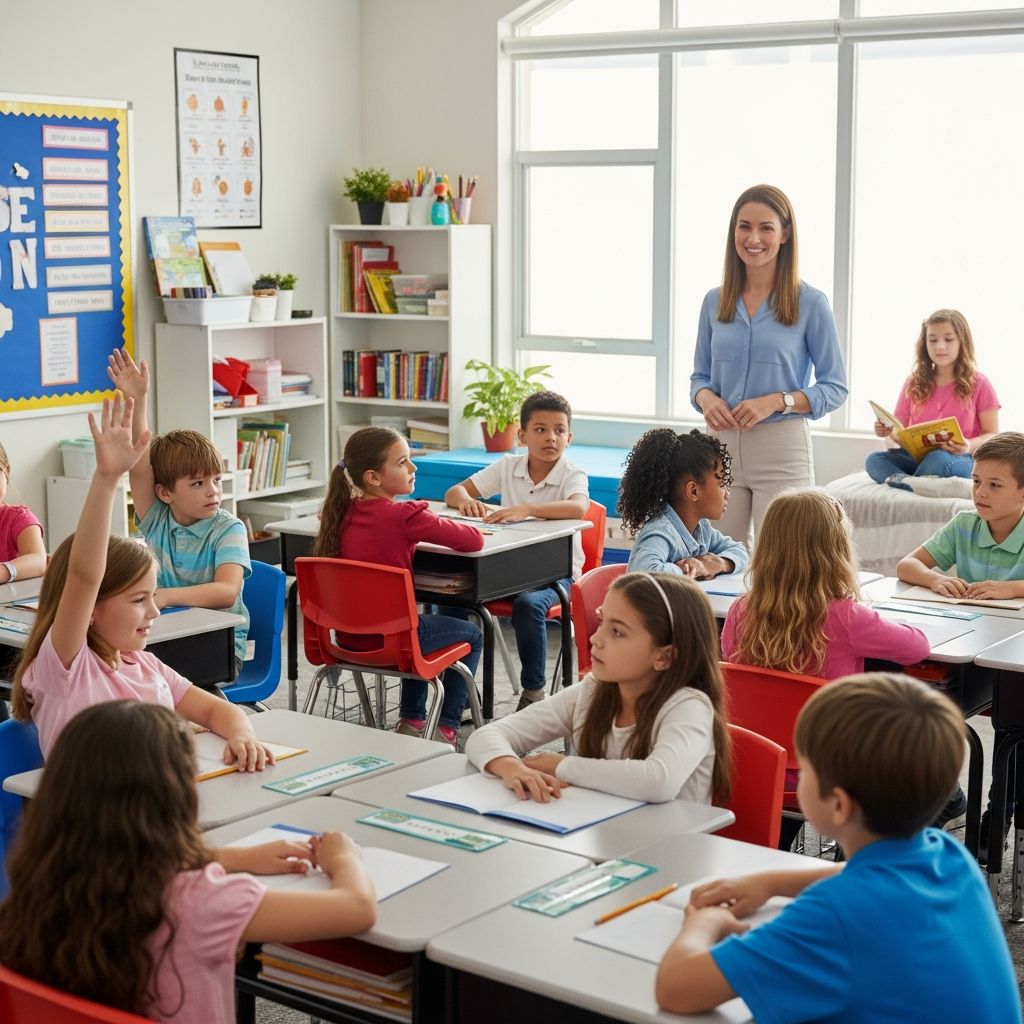
Stepping into an unfamiliar classroom as a new substitute teacher can feel daunting, but with the right approaches, you can create a positive and productive environment. Effective classroom management relies on preparation, adaptability, and strong student connections to prevent disruptions and promote learning.
Preparing for Success Before the Bell Rings
Preparation sets the foundation for a smooth day. Arrive early to review lesson plans, familiarize yourself with classroom layouts, and note any specific instructions left by the regular teacher. Create a personal survival kit with essentials like extra worksheets, timers, and behavior charts to handle unexpected situations.
- Review seating charts to learn names quickly.
- Check for posted rules and routines.
- Prepare backup activities for early finishers.
This proactive step reduces anxiety and allows you to focus on teaching rather than scrambling.
Launching the Day with Confidence and Clarity
Your introduction shapes the entire session. Write your name on the board, outline the agenda, and state expectations firmly yet warmly. Explain that you expect the same respect as the regular teacher, establishing authority from minute one.
For instance, say: “I’m excited to be here today. We’ll follow the schedule, work together respectfully, and make great progress.” This builds immediate structure.
Fostering Connections to Build Trust
Humanizing yourself helps students engage. Greet them at the door by name if possible, using icebreakers like quick share-outs about favorite hobbies. Community circles at the start of periods allow brief check-ins, promoting a sense of belonging.
Research from the University of Nevada, Reno emphasizes relationship-building through flexibility and personal interactions, key in post-pandemic settings where social connections matter.
Learning names and showing interest reduces resistance and encourages cooperation.
Implementing Active Supervision Techniques
Stay visible and involved by scanning the room, circulating constantly, and interacting positively. This “scan, move, interact” method prevents issues before they escalate, keeping you close to potential hotspots like the back row.
| Supervision Step | Action | Benefit |
|---|---|---|
| Scan | Visually sweep the room | Spot successes and challenges early |
| Move | Circulate among desks | Deter disruptions through proximity |
| Interact | Offer praise or guidance | Build rapport and correct gently |
Such vigilance ensures a focused atmosphere.
Boosting Engagement Through Interactive Methods
Keep students involved with hands-on tasks, discussions, and varied response formats. Use choral responses for group answers, individual turn-taking, or nonverbal signals like thumbs up/down.
- Pair students for collaborative work.
- Incorporate questions that prompt sharing.
- Shift activities if attention wanes.
Active participation minimizes boredom-related behaviors.
Harnessing Positive Reinforcement Effectively
Catch students excelling and acknowledge it specifically: “Great job staying on task, Alex!” Aim for a 5:1 ratio of praises to corrections to nurture respect and motivation.
Small incentives like stickers or brief breaks reinforce good habits without overcomplicating your role.
Defining Rules and Consistent Consequences
Revisit classroom rules early, clarifying your enforcement. Be consistent: a warning for minor issues, logical consequences for repeats, like loss of privileges.
Adapt to the group’s dynamics, staying calm and narrating positives: “I see many following directions beautifully.”
Adapting to Unique Classroom Dynamics
No two classes are identical, so flexibility is crucial. If a strategy falters, pivot—rearrange seats, introduce a game, or consult a reliable student for insights on routines.
Immerse fully: avoid the desk; circulate to check work and troubleshoot.
Leveraging Support from Key Students
Identify a dependable student for procedural guidance, like break times or material locations. This insider knowledge smooths operations without broadcasting uncertainty.
Countering the ‘Substitute Effect’ Proactively
Students may test boundaries, but clear expectations and rapport combat this. Regular teachers can prep classes on substitute respect, while detailed plans aid you.
Equipping Yourself with Essential Tools
Beyond plans, have attention-grabbers like claps or phrases (“Eyes on me!”) ready. Narrate desired behaviors to model them.
Maintaining Composure Under Pressure
Stay calm during disruptions—proximity often resolves them. Address the first offense promptly to set standards.
Ending Strong and Leaving a Positive Note
Wrap with reflection: what went well? Praise collective efforts and tidy up together. Note successes and issues for the teacher, reinforcing your professionalism.
Frequently Asked Questions (FAQs)
What if students ignore my instructions?
Move near them, use eye contact, and restate expectations calmly. Follow through consistently for compliance.
How do I handle early finishers?
Provide extension activities or quiet reading options to maintain engagement.
Should I enforce the regular teacher’s discipline plan?
Yes, reference it and adapt as needed, prioritizing safety and respect.
What makes a great first impression?
Confident introduction, clear agenda, and positive greetings.
How can I learn names quickly?
Use seating charts, name games, or door greetings.
References
- What are classroom management tips for substitute teachers? — University of Nevada, Reno. 2022-01-01. https://www.unr.edu/nevada-today/news/2022/atp-classroom-management-substitute-teacher
- Classroom management tips for substitute teachers — Swing Education. 2023-01-01. https://swingeducation.com/sub-success-resource-center/classroom-management-tips-for-substitute-teachers/
- Classroom management for substitute teachers — myKelly. 2024-01-01. https://www.mykelly.com/career-advice/workplace/what-is-classroom-management-for-substitute-teachers
- Overcoming the Substitute Teacher Effect — Red Rover K12. 2023-01-01. https://www.redroverk12.com/blog/overcoming-the-substitute-teacher-effect-proactive-strategies-for-improving-classroom-management-and-student-behavior
- 7 Classroom Management Secrets for Substitutes — Teach 4 the Heart. 2023-01-01. https://teach4theheart.com/how-to-get-kids-to-listen-when-youre-just-a-sub/

- Integrated M.A. in Applied Linguistics, University of Hyderabad
- 5+ years in editorial, instructional, SEO, and research-based writing
Sneha is a relationships and lifestyle writer with a strong foundation in applied linguistics and certified training in relationship coaching. She brings over five years of writing experience to theskillvault, crafting thoughtful, research-driven content that empowers readers to build healthier relationships, boost emotional well-being, and embrace holistic living. Her writing and insights reflect the belief that beauty, happiness, and wellness…