
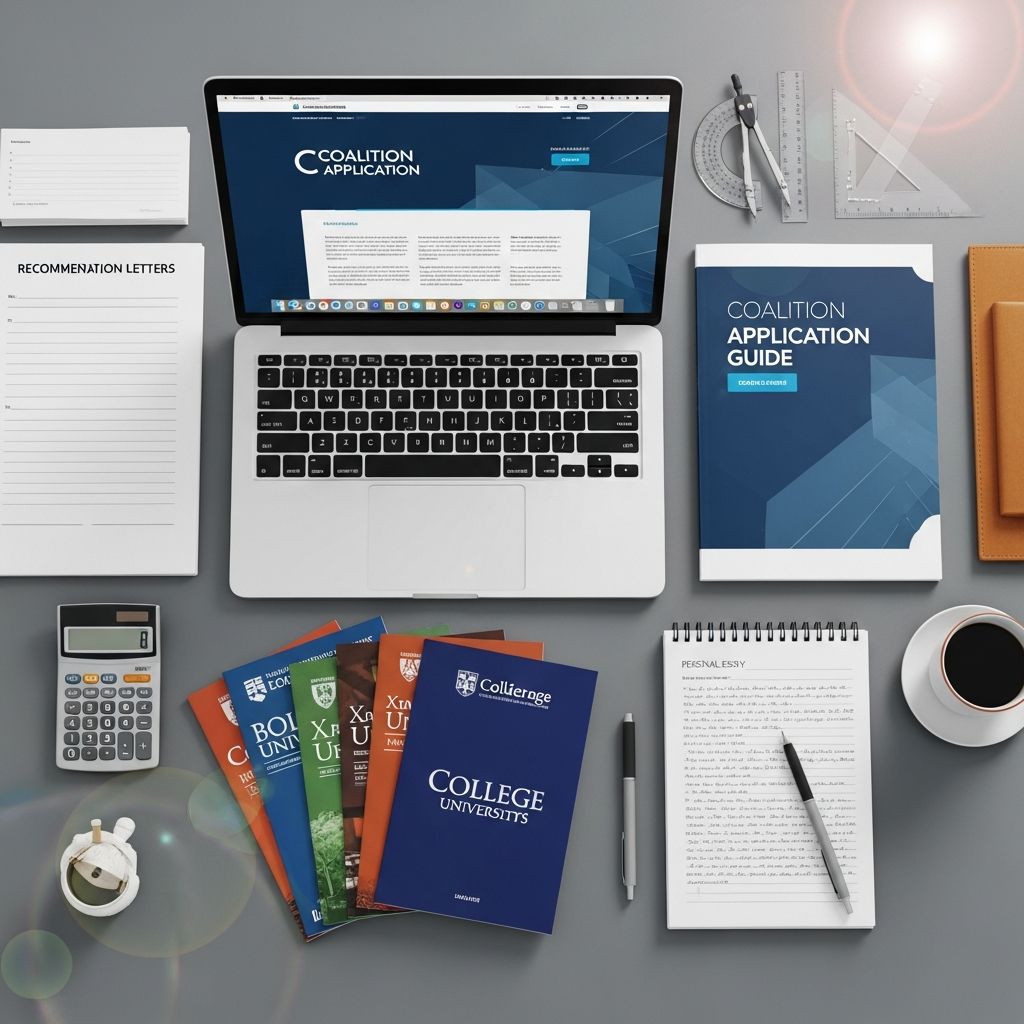
The Coalition Application offers a user-friendly way for high school students to apply to a select group of colleges focused on equity and student success. Powered by Scoir, it enables applicants to input personal details once for reuse across multiple schools, simplifying the process.
Understanding the Coalition Application Platform
Launched to promote broader access to higher education, the Coalition Application connects students with institutions dedicated to supporting diverse backgrounds. Unlike broader platforms, it requires member schools to meet strict standards, including high graduation rates and commitment to financial aid.
Students create a free Scoir account as early as ninth grade, building a profile that auto-fills applications. This early start fosters organized planning, with tools for tracking deadlines, essays, and recommendations.
- Core Features: Centralized profile for personal info, essay prompts, and activity lists.
- Flexibility: Access school-specific supplements directly from your dashboard.
- Collaboration: Invite counselors or mentors to review materials before submission.
Member Institutions and Eligibility Criteria
Over 150 public and private colleges participate, blending research universities, liberal arts schools, and state flagships. All provide need-based aid or low in-state tuition and boast six-year graduation rates of at least 70%—Yale, for example, reports 97%.
Institutions must prioritize underrepresented students, ensuring minimal debt upon graduation. Examples include Yale University, University of Maryland (which exclusively uses Coalition for some applicants), and various liberal arts colleges.
| Category | Examples | Key Commitment |
|---|---|---|
| Private Universities | Yale, University of Chicago | Generous need-based aid |
| Public Universities | University of Maryland, UC system schools | Affordable in-state tuition |
| Liberal Arts Colleges | Smaller members like Williams College | High graduation rates |
This curated list ensures quality while expanding options for low-income and first-generation applicants.
Comparing Coalition App to Common App
Both platforms streamline applications, but differences matter for strategy. Common App serves over 1,000 schools with a fixed August launch; Coalition’s dates vary by institution, often summer openings.
| Aspect | Coalition App | Common App |
|---|---|---|
| Number of Schools | 150+ | 1,000+ |
| Target Audience | Access-focused, underrepresented students | Broad range |
| Platform | Scoir (free, early access) | Common App Inc. |
| School Requirements | 70%+ graduation, aid commitment | None specified |
| Flexibility | One school, one app type | One school, one app type |
Choose based on your list: if targeting Coalition-only schools like UMD, it’s essential; otherwise, Common App covers more ground.
Step-by-Step Guide to Applying
- Create Account: Sign up at coalitionforcollegeaccess.org via Scoir—free for all.
- Build Profile: Enter demographics, courses, activities, and test scores starting freshman year.
- Select Schools: Browse members, add to dashboard, complete supplements.
- Write Essays: Respond to one of six prompts (500-650 words); tailor supplements.
- Request Recommendations: Counselors and teachers upload via Scoir.
- Review and Submit: Pay fees (waivers available), track status.
Availability typically begins September 1, but prep earlier.
Essay Prompts and Writing Strategies
The personal essay humanizes your application. Prompts encourage reflection on background, growth, or challenges—key for standing out.
- Share a story of intellectual curiosity.
- Discuss community contributions.
- Reflect on a belief or idea evolution.
Strategies: Brainstorm uniquely, show not tell, revise iteratively. Supplements often probe fit—research schools deeply.
Financial Aid and Fee Waivers
All members commit to affordability; many meet full need without loans. Request fee waivers in Scoir if eligible—based on family income or public school status.
Submit FAFSA/CSS Profile post-admission for aid packages minimizing debt.
Advantages for Underrepresented Students
Designed for equity, it supports low-income, first-gen, and minority applicants via early tools and partner advice. No background prerequisite—anyone benefits, especially at exclusive schools.
Potential Drawbacks and Tips
- Limited Schools: Verify your list; hybrid use possible across apps.
- Learning Curve: Practice Scoir early.
- Deadlines: Vary—early action/decision often November/January.
Tip: Start summer before senior year; consult counselors.
FAQs
Can I use Coalition and Common App simultaneously?
Yes, for different schools; one per school only.
Is there a cost to use the platform?
No—platform free; school fees apply (waivers available).
What if my school doesn’t use Scoir?
Counselors support via any system.
Does it affect admissions chances?
No preference; content matters.
How many essays are required?
One main (650 words max), plus supplements.
Success Stories and Statistics
High graduation rates reflect quality: members graduate 70%+ in six years, many debt-free. Students praise streamlined process for reducing stress.
International students welcome; platform aids global access.
References
- The Coalition Application | Yale College Undergraduate Admissions — Yale University. 2025. https://admissions.yale.edu/coalition-application
- 2025-26 Coalition Application Guide — IvyWise. 2025. https://www.ivywise.com/blog/coalition-application-guide/
- What Is A Coalition Application And Who Uses It? — University of the People. 2023. https://www.uopeople.edu/blog/what-is-a-coalition-application/
- FAQs | Coalition for College — Coalition for College Access. 2025. https://www.coalitionforcollegeaccess.org/faq
- Coalition App: Everything You Need to Know — Crimson Education. 2025. https://www.crimsoneducation.org/us/blog/coalition-app
- Common App vs. Coalition App: Which Should You Use? — BestColleges. 2024. https://www.bestcolleges.com/blog/common-app-vs-coalition-app/

- Integrated M.A. in Applied Linguistics, University of Hyderabad
- 5+ years in editorial, instructional, SEO, and research-based writing
Sneha is a relationships and lifestyle writer with a strong foundation in applied linguistics and certified training in relationship coaching. She brings over five years of writing experience to theskillvault, crafting thoughtful, research-driven content that empowers readers to build healthier relationships, boost emotional well-being, and embrace holistic living. Her writing and insights reflect the belief that beauty, happiness, and wellness…