
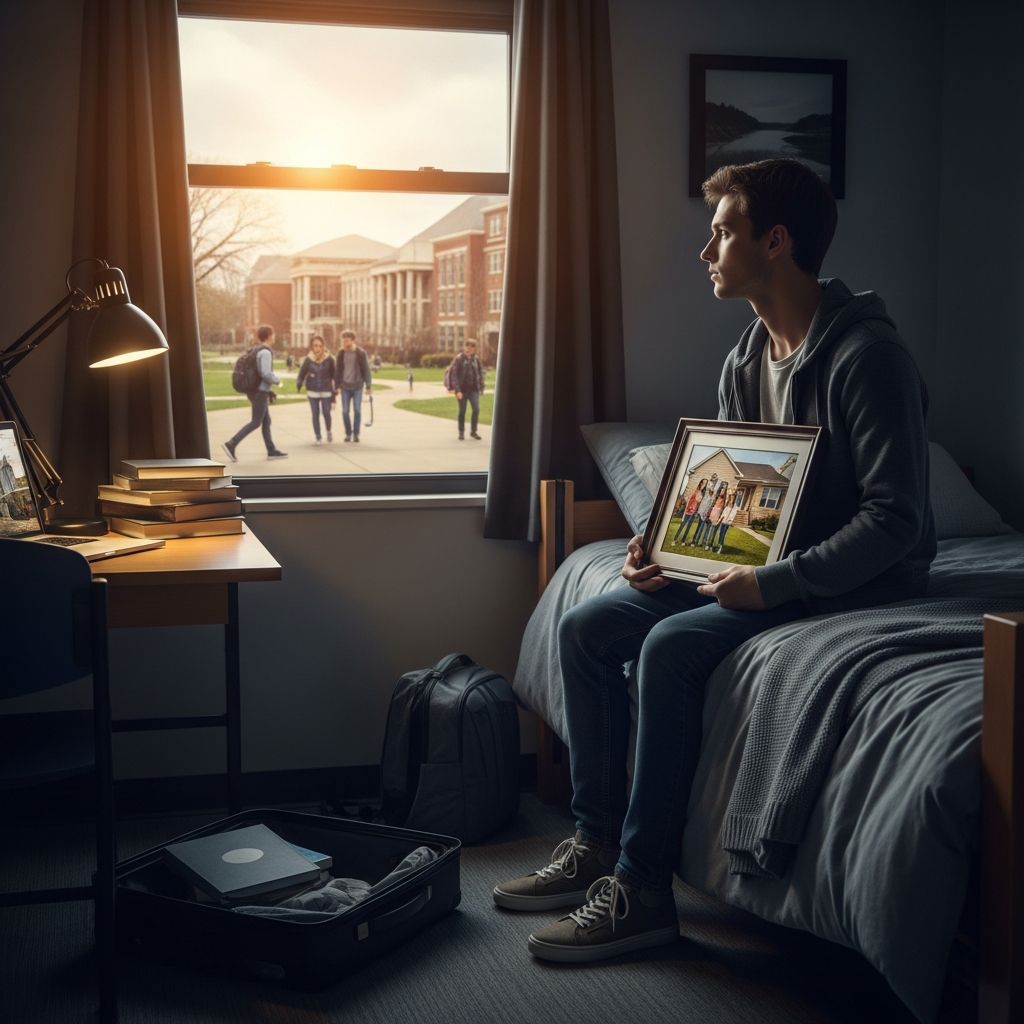
Transitioning to college marks a significant milestone for many young adults, yet it often brings an unexpected emotional hurdle: homesickness. This feeling of longing for home, family, and familiar surroundings affects a vast majority of new students, influencing their ability to adapt to campus life. Research reveals that nearly all freshmen encounter this challenge, with profound effects on social integration and overall well-being. Understanding its prevalence, manifestations, and remedies empowers students to navigate this phase successfully.
Prevalence of Homesickness Among New College Students
Homesickness is far from rare; it is a near-universal experience during the early weeks of college. Data from a detailed longitudinal study tracking first-year students weekly over their initial term shows that 94% reported some level of homesickness within the first 10 weeks. Only 6% managed to avoid it entirely, highlighting its commonality regardless of distance from home or prior preparation.
Broader surveys corroborate this, indicating that 70% of first-year students exhibit homesickness symptoms, placing them at heightened risk for adjustment issues. Even beyond freshmen, about 30% of all undergraduates experience it at some point, though it peaks during the initial transition period. These figures underscore that homesickness transcends demographics, affecting students from diverse backgrounds as they leave the comfort of home for the first time.
- Key Statistic: 94% of freshmen feel homesick in first 10 weeks
- First-Year Focus: 70% show symptoms, vs. 30% overall students
- Timing: Most intense early on, but can recur anytime
Patterns and Trajectories of Homesickness Over Time
While pervasive, homesickness is not static. On average, its intensity diminishes gradually across the first semester. Statistical analysis from weekly assessments revealed a slight but significant decline (γ = −0.023, p = .041), suggesting natural adaptation for most. However, trajectories vary widely: some students see rapid relief, while others grapple longer, influenced by personal resilience and support systems.
This variability means that while group-level trends show improvement, individual experiences differ. Higher initial homesickness levels correlate with sustained challenges, emphasizing the need for early intervention. Unlike a fleeting sentiment, persistent cases can signal deeper adjustment struggles, warranting proactive strategies.
| Time Period | Average Homesickness Level | % Affected |
|---|---|---|
| First 10 Weeks | High (94% report some) | 94% |
| End of First Semester | Slightly Decreased | ~30% ongoing |
| Later Years | Minimal for most | Variable |
Emotional and Psychological Manifestations
Homesickness manifests in multifaceted ways, often blending nostalgia with distress. Students commonly report sadness, anxiety, irritability, and a sense of disconnection. It evokes missing specific elements like family routines, childhood spaces, or comforting scents, amplifying feelings of isolation in a new environment.
These emotions can intensify during triggers such as holidays, stressful exams, or quiet weekends when campus feels empty. Physically, it may appear as sleep disturbances, appetite changes, or fatigue, mimicking mild depression. Recognizing these signs is crucial, as unaddressed homesickness heightens vulnerability to broader mental health concerns.
Effects on Social Adjustment and Campus Life
One of the most notable impacts is on social domains. Weeks with elevated homesickness coincide with feeling less settled, reduced social satisfaction, and marginal academic discontent. Students report poorer interactions within the college community, struggling to form bonds amid longing for home ties.
End-of-term evaluations confirm this: higher average homesickness predicts worse overall and social adjustment (β = −.31 and −.29 respectively, p < .01), independent of general negative emotions. Academically, effects are negligible (β = .07, p = .372), indicating homesickness disrupts relationships more than grades. This social ripple can lead to withdrawal, perpetuating a cycle of loneliness.
Why Homesickness Hits Freshmen Hardest
First-year students face unique pressures: sudden independence, academic rigor, and cultural shifts. Leaving supportive home networks for the first time amplifies vulnerability. Factors like geographic distance, close family bonds, or perfectionist tendencies exacerbate it. International students or those from rural areas often report intensified symptoms due to greater cultural and physical separation.
Psychologically, it stems from attachment disruptions, where the brain’s longing for secure bases clashes with novel demands. This normal response, while challenging, fosters growth when managed well.
Practical Strategies to Combat Homesickness
Overcoming homesickness requires intentional actions blending connection, routine, and exploration. Start by establishing daily constants: consistent sleep, meals, and study times provide stability amid chaos.
- Build Routines: Exercise regularly, eat nutritiously, and attend one campus event weekly to foster belonging.
- Stay Connected: Schedule weekly voice calls home, avoiding over-reliance on texts; plan visits during breaks for anticipation.
- Engage Campus: Join clubs, find study buddies, explore local spots to create new ‘home’ anchors.
Self-care amplifies these: incorporate meditation, journaling, or music for emotional grounding. Physical activity releases endorphins, countering sadness. Avoid isolation—force attendance at classes and events, even reluctantly.
Leveraging Campus Resources for Support
Colleges offer robust aid. Free counseling centers provide confidential strategies for coping, stress management, and belonging. Support groups normalize experiences, revealing peers’ hidden struggles. Resident advisors and wellness programs offer drop-in help.
Seek professional input if homesickness disrupts daily functioning, grades, or joy in activities—early outreach prevents escalation.
Long-Term Resilience Building Techniques
Beyond immediate fixes, cultivate enduring skills. Mindfulness reframes thoughts from loss to opportunity. Gratitude journaling shifts focus to campus positives. Setting small goals—like one new friendship weekly—builds momentum.
Reframe homesickness as growth: it signifies deep attachments, a strength to harness. Over time, dual ‘homes’ emerge—original and collegiate—enriching identity.
Frequently Asked Questions (FAQs)
How common is homesickness in college?
Extremely common: 94% of freshmen experience it in the first 10 weeks, and 70% of first-years show symptoms.
Does homesickness affect academic performance?
Not significantly; it primarily impacts social adjustment, with minimal direct academic effects.
How long does college homesickness last?
It typically decreases over the first semester but varies; most overcome it within months, though 30% may feel it longer.
What if homesickness feels overwhelming?
Contact campus counseling immediately, especially if it interferes with classes, sleep, or enjoyment.
Can international students manage it differently?
Yes, prioritize cultural clubs, language support, and frequent home communication to bridge gaps.
Conclusion: Turning Longing into Launchpad
Homesickness, though painful, is a transient rite of passage signaling the courage to venture forth. With 94% affected yet most adapting successfully, it need not derail college success. By embracing routines, connections, and resources, students transform yearning into a foundation for independence and joy.
References
- Homesickness and Adjustment Across the First Year of College — PMC / Journal of College Student Development. 2015-01-21. https://pmc.ncbi.nlm.nih.gov/articles/PMC5280212/
- Feeling Homesick? How to Manage It at College — Rutgers Health. Accessed 2026. https://rutgershealth.org/news/feeling-homesick-how-manage-it-college
- Feeling Homesick? How to Manage It at College — Rutgers New Brunswick. Accessed 2026. https://newbrunswick.rutgers.edu/news/feeling-homesick-how-manage-it-college
- Handling Homesickness at College: Tips and Strategies — St. John’s University. Accessed 2026. https://www.stjohns.edu/news-media/johnnies-blog/homesickness-college-tips
- How to Deal With Homesickness in College — Mental Health America. Accessed 2026. https://mhanational.org/resources/how-to-deal-with-homesickness-in-college/
- How to Deal With Homesickness in College — The Jed Foundation. Accessed 2026. https://jedfoundation.org/resource/how-to-deal-with-homesickness-in-college/
- Homesickness Is Common for College Freshmen: A Psychologist Offers Tips to Cope — Powers Health. 2023-09-02. https://www.powershealth.org/about-us/newsroom/health-library/2023/09/02/homesickness-is-common-for-college-freshmen-a-psychologist-offers-tips-to-cope

- Integrated M.A. in Applied Linguistics, University of Hyderabad
- 5+ years in editorial, instructional, SEO, and research-based writing
Sneha is a relationships and lifestyle writer with a strong foundation in applied linguistics and certified training in relationship coaching. She brings over five years of writing experience to theskillvault, crafting thoughtful, research-driven content that empowers readers to build healthier relationships, boost emotional well-being, and embrace holistic living. Her writing and insights reflect the belief that beauty, happiness, and wellness…