
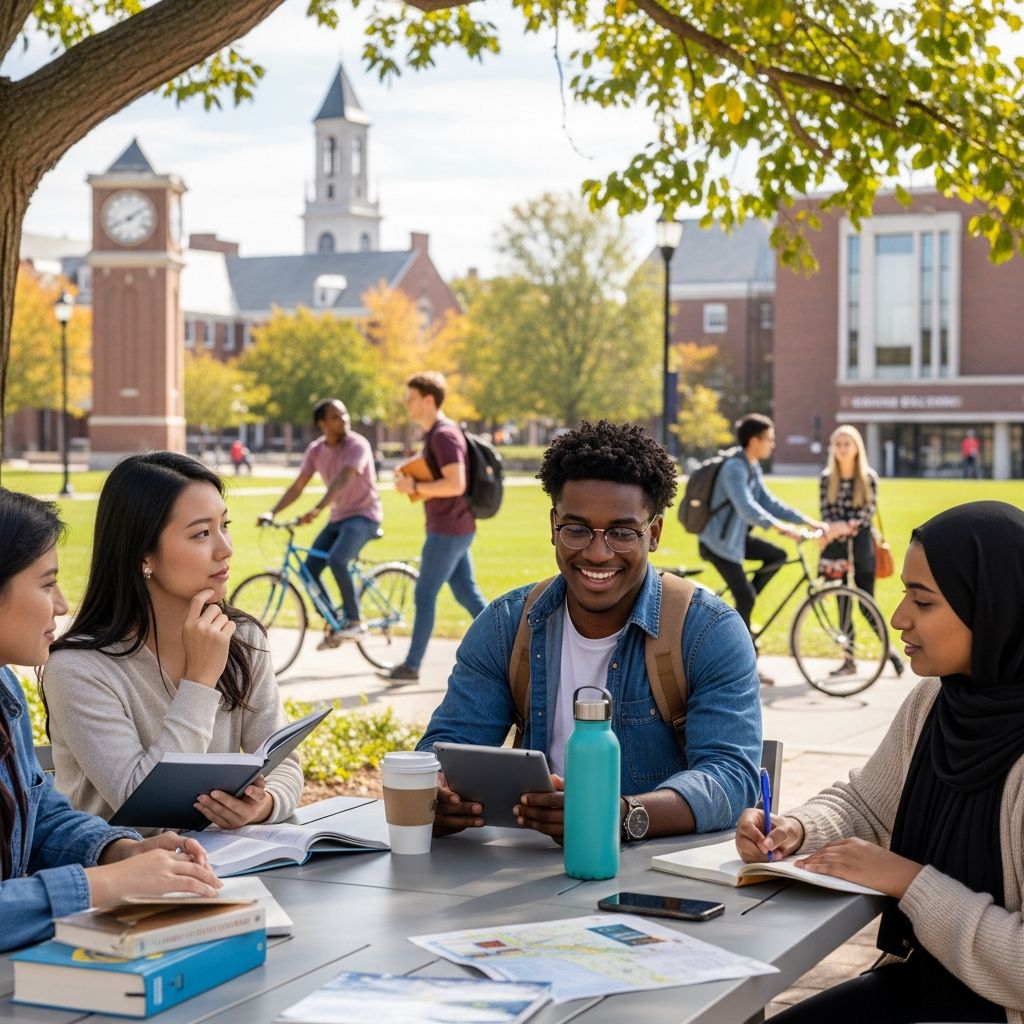
Navigating the College Experience: A Comprehensive Preparation Guide
The decision to pursue higher education represents a pivotal moment in a young adult’s life. The shift from secondary education to college brings substantial changes in independence, academic rigor, and personal responsibility. While the prospect of this transition can feel simultaneously exhilarating and daunting, understanding what awaits and preparing strategically can transform potential anxiety into confidence and readiness.
College demands a different approach than high school. The structure loosens, expectations intensify, and the responsibility for success rests squarely on your shoulders. This transition period offers both challenges and extraordinary opportunities for growth, discovery, and achievement. By addressing key areas of preparation—ranging from academic strategies to financial literacy—you position yourself to thrive during these formative years.
Grasping the Academic Landscape: More Than Just Harder Classes
One of the most significant shifts students encounter involves the elevation in academic expectations. College coursework differs fundamentally from high school assignments in both scope and depth. According to research from the National Survey of Student Engagement, college students typically dedicate 15–20 hours weekly to coursework beyond scheduled class time, a dramatic increase from typical high school workloads. This expansion reflects not merely increased difficulty but a shift toward independent learning and critical analysis.
Understanding Coursework Structure and Expectations
In secondary education, teachers often provide regular homework assignments, frequent quizzes, and structured guidance through material. College professors, by contrast, typically distribute syllabi outlining the entire semester’s assignments upfront and expect students to manage their own pace and preparation. Large projects, extensive reading lists, and fewer—but more comprehensive—assessments characterize college academics. This transition requires students to become proactive learners rather than reactive students following daily instructions.
Professors assume students possess foundational knowledge and can engage with complex material independently. Class time often involves discussion, analysis, and application rather than basic content delivery. This expectation demands that you arrive prepared, having completed readings and initial thinking about topics.
Mastering Time Management as a Foundation for Success
Effective time management emerges as perhaps the single most critical skill for college success. Research from Stanford University demonstrates a strong positive correlation between time management proficiency and academic achievement. Students enjoying autonomy over their schedules must simultaneously develop the discipline to structure that time purposefully.
Several strategies enhance time management in the college context:
- Implement time-blocking techniques, such as the Pomodoro Technique, which breaks work into focused intervals separated by brief breaks
- Utilize digital tools including calendar applications, task managers, and productivity apps designed to track assignments and deadlines
- Create a master schedule at semester’s beginning that maps all major deadlines, exam dates, and project submissions
- Designate specific study locations conducive to concentration and free from typical distractions
- Break large assignments into smaller, manageable components with interim deadlines
Educational psychology research indicates that students with strong time management skills report significantly lower stress levels and higher grade point averages compared to peers who struggle with organization. Developing these habits early in your college career establishes patterns that benefit you throughout your academic journey and beyond.
Building Meaningful Connections with Faculty
Your professors represent far more than content deliverers. They serve as mentors, reference writers, research collaborators, and professional connections. Establishing genuine relationships with faculty enhances both your educational experience and long-term outcomes. A 2020 Gallup survey revealed that graduates who felt their professors genuinely cared about them as individuals demonstrated 1.9 times higher engagement in their subsequent careers and 1.7 times better overall well-being.
Cultivate faculty relationships by attending office hours, asking substantive questions in class, seeking feedback on your work, and maintaining professional communication. These connections often prove invaluable when you need recommendation letters, career guidance, or research opportunities.
Financial Navigation: Building Money Sense for Independence
For many students, college represents their first experience managing substantial financial resources independently. Whether covering tuition through student loans, managing parental support, or earning income through employment, financial literacy becomes essential. Developing sound money management practices during college establishes habits that support financial health throughout your adult life.
Establishing Foundational Budgeting Practices
Creating and maintaining a realistic budget forms the cornerstone of financial management. The U.S. Department of Education recommends that students utilize budgeting applications or spreadsheets to track expenses systematically. Begin by identifying your income sources—whether financial aid, scholarships, part-time employment, family contributions, or personal savings—and then categorize your expenses.
A practical budgeting framework, known as the 50/30/20 rule, provides structure for allocation decisions: devote 50 percent of income to essential needs (housing, food, utilities, transportation), 30 percent to discretionary wants (entertainment, dining out, hobbies), and 20 percent to savings or debt repayment. For example, with a monthly budget of $1,000, this translates to $500 for necessities, $300 for discretionary spending, and $200 for financial security.
According to Best Colleges research, full-time undergraduate freshmen at public four-year institutions spend approximately $1,200 annually on textbooks and supplies alone, making textbook strategy particularly important. Exploring alternatives such as used textbooks, rental options, digital versions, or library reserves can substantially reduce this expense.
Understanding Financial Aid and Reducing Educational Costs
Navigating financial aid options requires both research and action. The Free Application for Federal Student Aid (FAFSA) serves as the gateway to federal grants and loans. Many students and families underestimate available aid due to focusing solely on published “sticker prices,” which often exceed actual costs significantly. After completing the FAFSA, investigate institutional scholarships, external grants, and merit-based awards specific to your circumstances, academic achievements, or background.
When comparing college offers, examine the complete financial aid package rather than isolated components. Some institutions offer generous grant aid (money you don’t repay) while others rely heavily on loans. Understanding these distinctions enables informed decision-making about educational investment and future debt obligations.
Maximizing Free Campus Resources
College campuses offer extensive free services that students frequently overlook or underutilize. These resources span academic support, career development, health services, and personal wellness. Library services extend beyond book borrowing to include research assistance, free printing, computer access, and quiet study spaces. Career services departments provide resume writing, interview coaching, job shadowing coordination, and internship connections. Counseling centers offer mental health support, and wellness programs address physical and emotional well-being.
Before college begins, investigate your institution’s website to identify available resources. Creating a personal list of services you anticipate needing ensures you access them rather than struggling independently or paying for services your tuition already supports.
Cultivating Personal Well-Being and Resilience
College transitions extend beyond academics and finances. The shift to independence, exposure to diverse perspectives, increased responsibility, and social changes create psychological and emotional dimensions requiring attention.
Prioritizing Physical and Mental Health
College life often disrupts established routines around sleep, nutrition, and exercise. Maintaining these fundamentals—though challenging with academic demands and social opportunities—directly impacts academic performance, emotional regulation, and overall well-being. Aim for consistent sleep schedules, balanced nutrition, and regular physical activity. Campus recreation facilities typically offer free or low-cost access to exercise programs and facilities.
Mental health deserves equal priority. The college environment can trigger stress, anxiety, loneliness, or homesickness. Utilizing campus counseling services, joining supportive groups, and developing healthy coping strategies create resilience. Recognizing when you need support and accessing it demonstrates strength and self-awareness rather than weakness.
Building a Supportive Social Community
While academics matter enormously, the relationships you develop during college shape your experience profoundly. College orientation programs serve important functions beyond logistics; they facilitate connections with peers, expose you to campus organizations, and establish initial community belonging. Participate fully in these events rather than minimizing attendance.
Beyond orientation, intentionally build connections through residence halls, classes, clubs, volunteer activities, and social events. Finding your community—whether through student organizations aligned with interests, cultural affinity groups, or recreational activities—reduces isolation and enhances satisfaction. Quality friendships formed during college often endure throughout life.
Strategic Academic Positioning: Majors, Exploration, and Career Foundations
Many students arrive at college with either firm major declarations or complete uncertainty about academic direction. Both situations warrant thoughtful navigation rather than hasty decisions.
Taking Time to Identify Genuine Interests and Passions
The distinction between enjoying something and possessing genuine passion proves significant for major selection and career satisfaction. During freshman year, prioritize exploration over premature specialization. Try diverse courses, connect with different disciplines, and reflect on what genuinely engages you intellectually and emotionally. Many students change majors during college; this exploration often proves valuable rather than wasteful when approached intentionally.
Changing majors affects graduation timelines, financial aid calculations, and overall well-being, making thoughtful decisions important. However, discovering your true direction—even if this discovery occurs later than expected—ultimately serves you better than persisting with an unsuitable path. College provides the ideal environment for this exploration; approach it strategically.
Connecting Academics to Career Exploration
While college isn’t solely about career preparation, intentional connections between your studies and professional interests strengthen both. Research professionals working in fields related to your interests and inquire about informational interviews or job shadowing opportunities. Seek internships aligned with your emerging career direction. These experiences clarify career paths, build professional networks, and create resume credentials valuable for postgraduation opportunities.
Logistics and Campus Navigation
Beyond the substantial areas of academics, finances, and wellness, practical campus logistics require attention.
Mastering Registration Systems and Course Selection
College course registration systems vary by institution but typically offer online platforms for scheduling. Learn your school’s registration system before registration periods open. Many institutions provide virtual scheduling assistants or online planners that streamline course selection. Understanding registration procedures, deadlines, and any prerequisites prevents scheduling errors and ensures access to desired courses.
Understanding Syllabi and Assignment Protocols
Professors post complete course syllabi establishing expectations, assignment deadlines, grading policies, and communication protocols. These documents deserve careful review and reference throughout the semester. Creating a master calendar combining all syllabi deadlines ensures nothing escapes your attention. When confusion arises about expectations, syllabi provide official reference before contacting professors.
Balancing Serious Engagement with Enjoyment
College demands academic commitment and financial investment. This reality necessitates taking your studies seriously—attending classes consistently, completing assignments thoroughly, and engaging substantively with material. Simultaneously, college offers social opportunities, new experiences, and personal growth rarely available elsewhere.
The balance between rigorous academics and rich social experiences isn’t either/or but rather both/and. Plan social activities intentionally, ensure you’re caught up on responsibilities before engaging, and avoid habits like chronic class absenteeism. This intentional balance enables you to maximize college’s academic and personal benefits simultaneously.
Frequently Asked Questions
Q: How much should I study outside class?
A: Most college courses expect 2–3 hours of study time for every hour in class. With typical 12–15 credit hours of classes, this translates to 24–45 hours weekly of study time. Time management tools help distribute this workload sustainably.
Q: What if I arrive at college still uncertain about my major?
A: Uncertainty is normal and manageable. Use freshman year to explore diverse courses, connect with academic advisors, and reflect on your interests. Most colleges allow exploration before declaring majors, making freshman year ideal for discovering your direction without pressure.
Q: Are part-time jobs compatible with college success?
A: Yes, part-time employment can coexist with academic success when managed carefully. Working 10–15 hours weekly often proves manageable, but prioritize academics if conflicts arise. The experience and income can be valuable, but not at the cost of your primary educational mission.
Q: How important is attending orientation?
A: Orientation is highly valuable, often mandatory, and typically spans one to three days. Beyond logistics, orientation facilitates peer connections and introduces campus resources and communities. Making this investment pays dividends throughout your college experience.
Q: What’s the best way to connect with professors?
A: Start by attending office hours early in the semester, asking thoughtful questions in class, and seeking feedback on assignments. Professional, substantive communication builds relationships that support your academic journey and create valuable professional connections.
References
- Five Things New College Students Need to Know Before Freshman Year — Concept Schools. 2024. https://www.conceptschools.org/apps/news/article/2065891
- 15 Things to Know Before Going to College — College Raptor. 2024. https://www.collegeraptor.com/getting-in/articles/myths/what-i-wish-i-knew-before-going-to-college/
- 10 Things I Wish I Knew Before College — University of South Florida Office of Admissions. 2024. https://admissions.usf.edu/blog/10-things-i-wish-i-knew-before-college
- Your First Year of College: 25 Tips to Help You Survive and Thrive — Snow College. 2024. https://snow.edu/blog/25_Tips_To_Help_You_Survive_Freshman_Year.html

- Integrated M.A. in Applied Linguistics, University of Hyderabad
- 5+ years in editorial, instructional, SEO, and research-based writing
Sneha is a relationships and lifestyle writer with a strong foundation in applied linguistics and certified training in relationship coaching. She brings over five years of writing experience to theskillvault, crafting thoughtful, research-driven content that empowers readers to build healthier relationships, boost emotional well-being, and embrace holistic living. Her writing and insights reflect the belief that beauty, happiness, and wellness…