
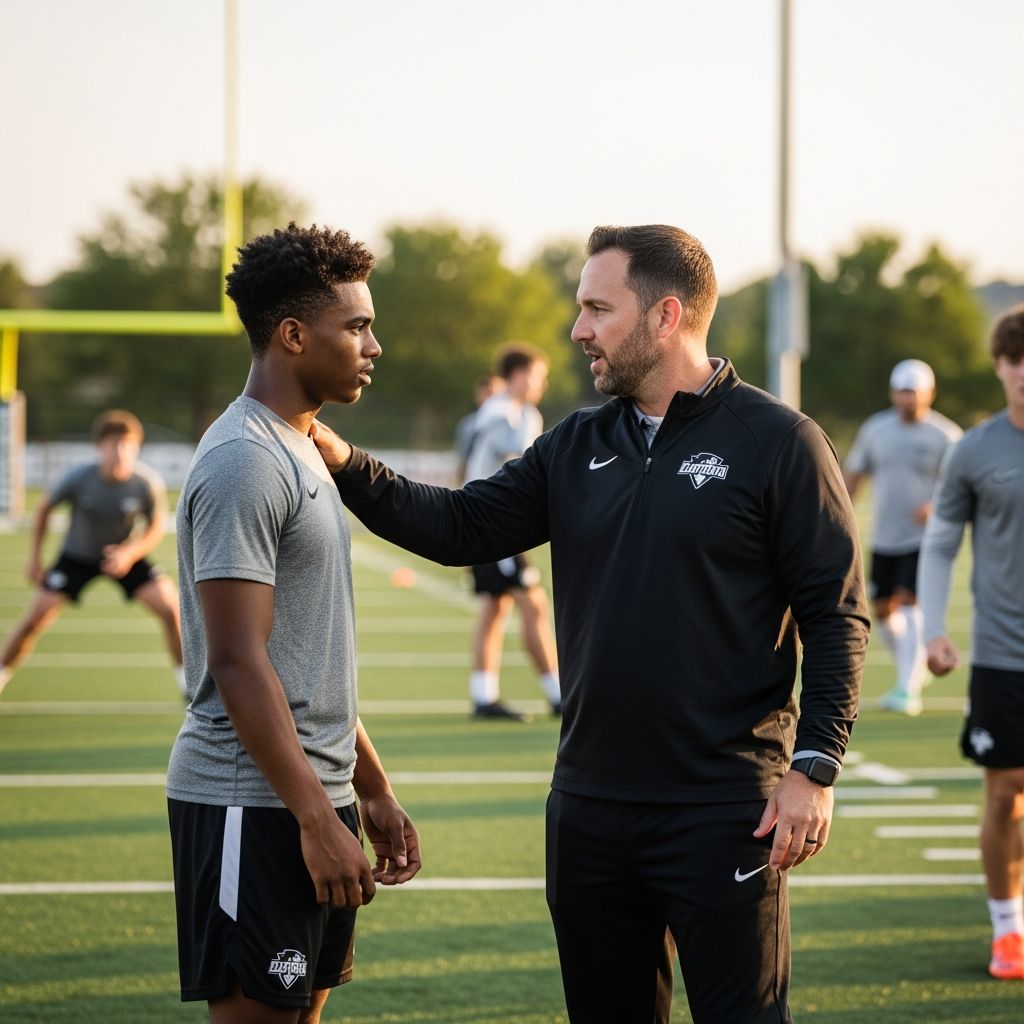
High school athletes dreaming of continuing their sports careers at the collegiate level face a competitive landscape where connecting with the right coaches is key. The process involves strategic self-promotion, understanding coach timelines, and leveraging digital tools to get noticed. This guide breaks down the essentials, drawing from established recruiting practices to help athletes position themselves effectively.
Understanding the Recruiting Funnel
College coaches operate like talent scouts in a vast pool, starting broad and narrowing to elite fits. They compile massive lists of prospects based on criteria such as position needs, graduation year, height, academics, and location. For major programs, initial lists can exceed thousands, sourced from recruiting databases, high school recommendations, and events.
This funnel model ensures coaches evaluate volume before depth. Early stages focus on basic matches, while later ones assess full potential. Athletes who understand this can target programs aligned with their strengths, increasing response rates.
Building Your Recruiting Foundation
Success begins with a comprehensive athletic profile. Coaches rely on platforms hosting verified stats, videos, and transcripts to filter candidates efficiently. A complete profile includes metrics, academic records, and highlight reels showcasing skills under pressure.
- Athletic Stats: Track 40-yard dash times, vertical jumps, batting averages, or equivalent sport-specific benchmarks.
- Video Highlights: Compile 3-5 minute clips of varsity or club play, emphasizing coach-desired skills.
- Academics: List GPA, core course progress, and test scores to prove eligibility.
- Personal Info: Awards, coach contacts, and camp attendance history.
Platforms like those used by millions facilitate direct coach access, turning passive profiles into active opportunities. Update regularly to reflect improvements.
Key Steps Coaches Take to Find You
Coaches follow a structured path to build rosters. Recognizing these phases empowers athletes to act proactively.
| Phase | Coach Actions | Athlete Tips |
|---|---|---|
| Prospect Identification | Gather lists from services, media sites, events | Create profiles early; attend showcases |
| Initial Outreach | Send questionnaires, camp invites, letters | Respond promptly; complete forms fully |
| Evaluations | Review videos, call references, observe live | Email coaches with updates; visit campuses |
| Offers | Verbal scholarships to top choices | Research programs; negotiate if possible |
| Signing | Secure National Letters of Intent | Verify eligibility; commit confidently |
Each step demands athlete initiative, as coaches prioritize responsive, high-potential recruits.
NCAA Contact Rules and Timelines
Regulations govern when coaches can engage. For Division I, proactive outreach starts June 15 post-sophomore year or September 1 junior year, varying by sport. Athletes, however, can initiate contact anytime via email or profiles.
Divisions differ: D-I has strict calendars; D-II allows more flexibility; D-III emphasizes academics with no athletic scholarships but roster spots. Quiet periods limit off-campus contacts, while dead periods ban them entirely.
- Sophomore Year: Register with NCAA Eligibility Center; film footage; research fits.
- Junior Year: Expect coach responses; send mass emails with resumes.
- Senior Year: Official visits, early signing in November, regular in April.
Track sport-specific calendars to avoid missed windows.
Crafting Emails That Get Responses
Direct communication cuts through noise. Subject lines like “2025 PG Point Guard – Highlight Video” grab attention. Body should be concise: introduce yourself, attach profile link/video/transcript, mention fit, and request feedback.
Personalize by referencing recent program news or shared connections. Follow up politely after two weeks if no reply. High school coaches’ endorsements amplify credibility.
Maximizing Exposure at Camps and Showcases
Live events are goldmines. ID camps hosted by colleges allow direct evaluation. Select those matching your level—D-I prospects skip D-III events.
Prepare by studying rosters, preparing questions, and performing peak. Post-event emails reinforce impressions: “Thank you for the opportunity at your July camp; attached updated stats.” Tournaments yield rankings that boost profiles.
Academic Eligibility: The Hidden Gatekeeper
Athletic talent alone insufficient—NCAA requires 16 core courses, 10 pre-junior year, minimum GPA (2.3 sliding scale), and amateur status. Division I mandates SAT/ACT for some.
Coaches verify via Eligibility Center. Balance training with studies; tutors help. Strong academics open more doors, including D-III where they drive admissions.
Navigating Offers and Commitments
Verbal offers precede scholarships. Evaluate beyond money: playing time, coaching style, academics, campus life. Official visits (paid by schools post-junior year) clarify fits.
Commitments are non-binding until signing. Early periods fill spots fast—top recruits lock in juniors. Consult family, advisors before verbal yes.
Division-Specific Strategies
Division I: Elite Competition
Full scholarships abound, but rosters demand top percentiles. Video quality paramount; rankings from 247Sports matter.
Division II: Balanced Opportunity
Partial scholarships common; more contact flexibility. Strong for multi-sport athletes.
Division III: Academics First
No athletic aid, but holistic recruiting. Email coaches directly; grades shine.
NAIA and JUCO: Alternative Paths
NAIA offers scholarships with flexible rules; junior colleges provide quick entry to four-year transfers.
Common Pitfalls and How to Avoid Them
- Incomplete Profiles: Leads to quick dismissal.
- Poor Video: Blurry or irrelevant footage hurts.
- Ignoring Academics: Disqualifies despite talent.
- Overcommitting Early: Limits options; verbal isn’t binding.
- No Follow-Up: Coaches forget non-persistent athletes.
Success Stories and Stats
NCSA reports millions of connections yearly, with profiled athletes 6x more likely for scholarships. Persistence pays: one athlete emailed 200 coaches, landed D-I offer.
FAQs
When should I start recruiting?
Sophomore year for profiles and research; expect coach contacts junior year.
Do I need a recruiting service?
Helpful for visibility, but not mandatory—focus on quality profiles and outreach.
What if I’m not a top recruit?
Target matching divisions; walk-ons succeed with persistence.
Can I contact coaches before rules allow?
Yes, send info; they can’t respond until permitted.
How important are grades?
Critical for eligibility and coach interest across divisions.
Final Thoughts
College recruiting rewards preparation and proactivity. Build your brand early, stay eligible, and engage relentlessly. With the right approach, athletic dreams become reality.
References
- College Recruiting Process | How Colleges Recruit Athletes — NCSA. 2023. https://www.ncsasports.org/recruiting/how-to-get-recruited/college-recruiting-process
- Understanding the Recruiting Process — Stack Athlete. 2023. https://stackathlete.com/understanding-the-recruiting-process/
- College recruiting — Wikipedia. 2024-02-01. https://en.wikipedia.org/wiki/College_recruiting
- The College Athletic Recruitment Process — Elite Prep. 2023. https://eliteprep.com/blog/college-athletic-recruitment-process
- Recruiting Calendars FAQ — NCAA.org. 2021-02-10. https://www.ncaa.org/sports/2021/2/10/recruiting-calendars-faq.aspx

Medha Deb is an editor with a master's degree in Applied Linguistics from the University of Hyderabad. She believes that her qualification has helped her develop a deep understanding of language and its application in various contexts. Medha specializes in the areas of beauty, health, sports, and wellness and is committed to ensuring that the content on the website is…