
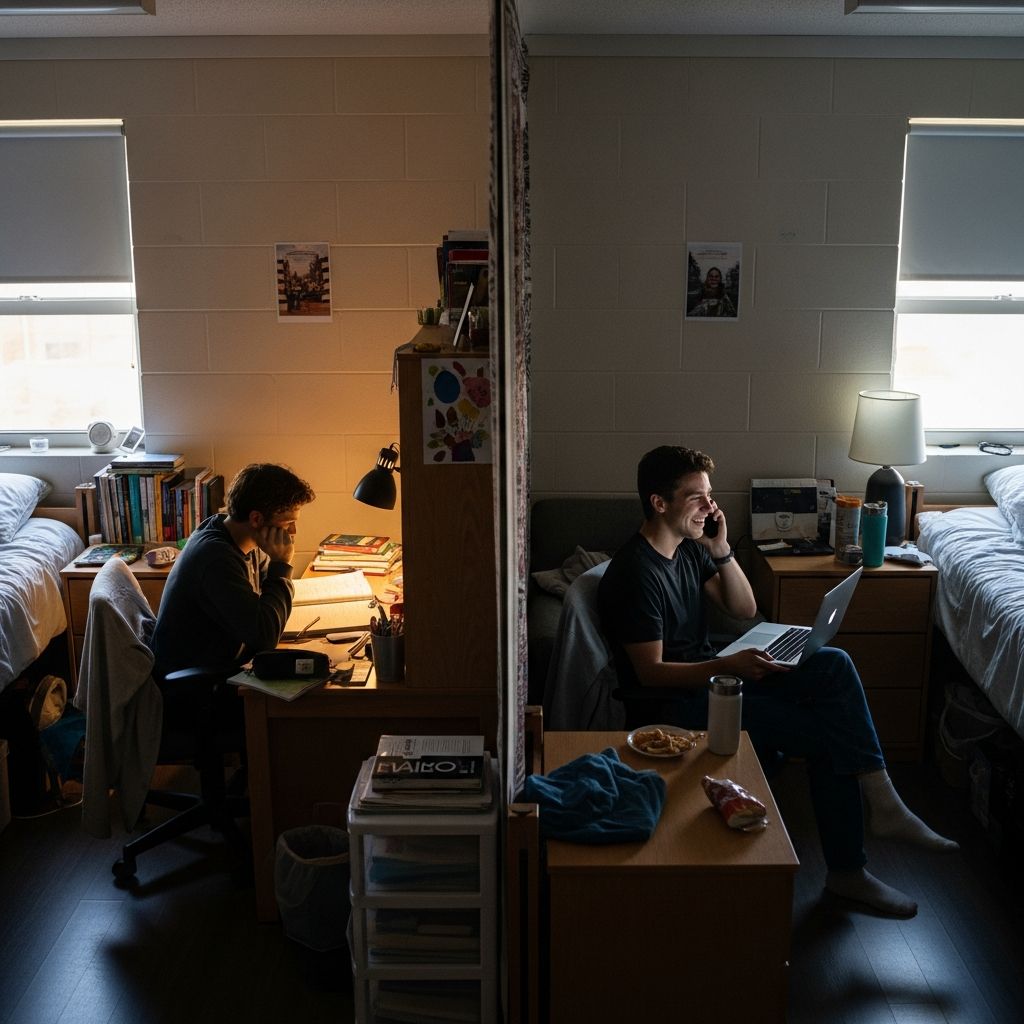
Understanding the College Roommate Experience
For many students, the college dormitory represents a pivotal moment in their journey toward independence. Living with a roommate is often one of the first significant experiences of cohabitation outside the family unit. This living arrangement serves as more than just a practical housing solution; it functions as a formative experience that shapes how students interact with others, manage personal space, and navigate interpersonal challenges. The transition to shared living requires adjustment, flexibility, and intentional effort from both parties involved.
The college roommate dynamic differs fundamentally from other living arrangements students may have experienced. Unlike living with family members, where roles and hierarchies are established, or residing alone, where personal preferences dominate, dormitory living requires constant negotiation and compromise. This unique environment creates opportunities for personal growth while simultaneously presenting obstacles that can test resilience and adaptability.
The Advantages of Dormitory Companionship
Sharing a dorm room provides numerous tangible and intangible benefits that extend well beyond simply splitting housing costs. The decision to embrace a shared living situation can significantly enhance the overall college experience.
- Financial Efficiency: Splitting rental costs reduces the financial burden of housing, allowing students to allocate resources toward education, books, or other essential needs. This economic advantage makes college more accessible and affordable for many families.
- Expanded Social Networks: Your roommate serves as an immediate connection within the campus community. They can introduce you to their friends, social groups, and campus organizations, rapidly expanding your circle of acquaintances and potential close friendships.
- Emotional Support System: Living with someone creates built-in companionship during challenging academic periods, homesickness, or personal difficulties. Your roommate becomes a primary source of daily interaction and emotional connection.
- Life Skills Development: The necessity to navigate daily cohabitation accelerates personal development. Students learn compromise, negotiation, and conflict resolution in real-world contexts.
- Shared Experiences: Common activities, inside jokes, and mutual memories create lasting bonds. These shared moments often transform dormitory mates into lifelong friends.
Potential Challenges in Shared Dormitory Living
While the advantages are significant, students must also prepare for the inevitable difficulties that arise when two people share limited space and resources. Understanding these challenges beforehand enables better preparation and more graceful navigation when issues emerge.
Cleanliness and organizational standards frequently become sources of tension. One roommate might maintain meticulous order while the other follows a more relaxed approach. Differences in tidiness, particularly regarding shared spaces like the room itself and bathroom facilities, can generate ongoing friction. Additionally, variations in sleep schedules can create disturbances, particularly when one roommate studies late into the evening while the other prefers early bedtime. Temperature preferences represent another common point of contention, with some individuals preferring cooler environments while others want warmth.
Social dynamics introduce additional complexity. Guests and visitors, romantic relationships, and different social patterns can strain the living environment. One roommate might frequently invite friends over while the other values quiet, solitude, and privacy. The varying needs for social interaction versus alone time require careful management and explicit communication.
Strategic Approaches to Roommate Selection
The decision between choosing your own roommate and accepting a randomly assigned match carries distinct implications. Each approach offers particular advantages and disadvantages.
| Selection Method | Primary Advantages | Potential Disadvantages |
|---|---|---|
| Self-Selected Roommate | Compatibility based on prior knowledge; shared interests or mutual friends; reduced surprise factor; ability to establish expectations beforehand | Risk of friendship strain if living arrangement becomes problematic; potential existing conflict patterns; less exposure to diverse perspectives |
| Randomly Assigned Roommate | Opportunity to meet someone new; exposure to different backgrounds and viewpoints; college-administered compatibility matching; chance to expand social circles beyond existing networks | Unknown variables and habits; initial unfamiliarity; potential for significant differences in lifestyle and preferences; adjustment period may be lengthy |
Neither approach guarantees success or failure. Self-selection provides comfort through familiarity but risks placing strain on existing relationships. Random assignment introduces uncertainty but offers the exciting possibility of developing entirely new friendships with people outside your existing social sphere.
Establishing Effective Communication Frameworks
Communication stands as the cornerstone of successful roommate relationships. The ability to discuss needs, concerns, and expectations directly determines whether minor irritations escalate into significant conflicts or remain manageable.
Initial conversations should occur before or immediately after moving in together. Discussing daily schedules, study habits, cleanliness standards, guest policies, and sleep preferences establishes baseline expectations. These early discussions normalize dialogue and make it easier to address issues as they arise. Many colleges provide roommate agreements that formalize these discussions and create written records of mutual commitments.
When issues do emerge, addressing them promptly prevents festering resentment. Direct, respectful communication proves far more effective than passive-aggressive notes or silent frustration. Timing matters significantly; discussing concerns at calm moments rather than during emotional peaks leads to more productive conversations. Using “I” statements rather than accusatory language helps prevent defensive reactions. For example, saying “I find it difficult to sleep when the light is on after midnight” proves more effective than “You’re inconsiderate for leaving the light on.”
Active listening represents another critical component. When your roommate raises concerns, truly hearing and validating their perspective—even if you disagree—builds mutual respect and demonstrates genuine interest in maintaining the relationship. This reciprocal attention strengthens the foundation for collaborative problem-solving.
Practical Strategies for Daily Coexistence
Beyond communication, specific practical strategies facilitate smoother daily living. Understanding each other’s routines enables proactive accommodation rather than reactive adjustment.
- Schedule Coordination: Share your typical daily schedule, including classes, work commitments, and social activities. This transparency allows your roommate to plan their own activities around periods when the room will be unoccupied or when they can expect privacy.
- Space Division: Clearly demarcate personal territories within the limited dorm space. Designated drawers, shelving areas, and closet space prevent constant negotiation about storage and reduce accidental use of each other’s belongings.
- Cleaning Protocols: Establish explicit cleaning standards and rotation systems. Whether you implement a weekly schedule or divide responsibilities based on preference, clarity prevents misunderstandings about maintenance responsibilities.
- Guest Policies: Agree on advance notice requirements for visitors, appropriate hours for entertaining guests, and expectations regarding overnight visitors. These boundaries protect both individuals’ comfort and sense of security in their living space.
- Shared Resources: Decide how to manage shared expenses like decorations or utilities if applicable. Clear agreements about cost-sharing prevent financial disputes.
- Climate Control: Reach compromise on temperature settings, recognizing that both individuals need to feel comfortable. Creative solutions like personal fans or additional blankets can accommodate different preferences.
Resolving Conflict and Seeking External Support
Despite best efforts at prevention, conflicts sometimes require intervention beyond the two roommates. Most colleges employ residential advisors specifically trained to mediate roommate disputes. These trained professionals offer neutral perspectives and facilitate constructive dialogue. Many students hesitate to involve residential advisors, fearing escalation or judgment, but these professionals view their role as problem-solving, not punishment.
Some situations warrant consideration of room reassignment, particularly when fundamental incompatibility becomes apparent or when conflict becomes toxic despite good-faith efforts at resolution. Colleges typically have formal processes for requesting reassignment, and residential staff evaluate requests based on specific criteria. Requesting reassignment should occur only after genuine attempts at resolution have failed, as it represents a more disruptive solution than collaborative problem-solving.
Transitioning from Roommate to Friend
Many college students report that their roommates became among their closest friends during their college years. This transformation occurs when individuals move beyond mere coexistence and actively invest in getting to know each other authentically. Shared experiences, mutual vulnerability during adjustment periods, and consistent daily interaction create unique conditions for friendship development.
Beyond the practical logistics of shared living, roommates who choose to spend time together outside the dorm environment strengthen their relationship. Grabbing meals together, attending campus events, or simply having genuine conversations about interests, aspirations, and challenges deepen connections. This investment in the relationship transforms dormitory mates from obligatory housemates into genuine friends who support each other through college years and potentially beyond.
Embracing Authenticity and Growth
Ultimately, the roommate experience succeeds when both individuals approach it with authenticity and genuine effort. Pretending to be someone you’re not creates unsustainable facades that eventually crack. Living authentically allows your roommate to appreciate the real you and creates space for them to be themselves as well.
The college years represent a period of significant personal development and self-discovery. Your roommate experiences this journey alongside you, witnessing your growth and challenges in real time. This proximity creates unique opportunities for mutual understanding and support that transcend typical friendships. Whether your roommate ultimately becomes a lifelong friend or a cordial acquaintance from your past, the experience of learning to coexist respectfully with another person contributes meaningfully to your development as an adult.
Frequently Asked Questions
Q: What should I do if my roommate and I have completely opposite sleep schedules?
A: Discuss the issue directly and brainstorm solutions together. Potential compromises include using quiet study lights, wearing headphones, coordinating when each person will have the room to themselves, or investing in noise-reducing curtains or white noise machines. The key is finding arrangements that respect both individuals’ needs for rest and productivity.
Q: How often should roommates spend time together outside the dorm?
A: There’s no required frequency. Some successful roommate relationships involve frequent social time, while others maintain friendly but separate lives. The important factor is that you both feel comfortable with your arrangement and can communicate if preferences change.
Q: What if I regret choosing my own roommate?
A: First, attempt direct communication about specific issues bothering you. If problems persist and genuine incompatibility becomes apparent, consult your residential advisor about formal room change procedures. Most colleges allow reassignment after reasonable attempts at resolution.
Q: Is it normal to feel uncomfortable with a roommate initially?
A: Yes, completely normal. Living with someone new requires an adjustment period. Most discomfort decreases significantly within the first few weeks as you establish routines and become accustomed to each other’s presence and habits. Give the relationship time to develop naturally.
Q: How do I address a roommate’s poor hygiene without causing offense?
A: Choose a calm moment for private conversation. Use specific, non-accusatory language focused on your needs and concerns rather than personal criticism. For example, “I’m concerned about cleanliness in our shared bathroom because I value hygiene,” works better than personal attacks. Offer to work together on solutions and remember that standards and backgrounds differ.
References
- Is it good to have a roommate in college? — The College Board. 2024. https://bigfuture.collegeboard.org/help-center/it-good-have-roommate-college
- What It’s Like to Live with a Roommate in College — University of South Florida Housing & Residential Education. 2024. https://admissions.usf.edu/blog/what-its-like-to-live-with-a-roommate-in-college
- Tips on being a good college roommate — Connecticut College, Office of Residential Life. 2024. https://www.youtube.com/watch?v=GwpQcr5LiE4
- 5 Tips for Living With a College Roommate — University Housing & Student Programs. 2024. https://www.uhsp.edu/5-tips-for-living-with-a-college-roommate/
- Choosing a College Roommate — Tuition Rewards by SAGE Scholars. 2024. https://www.tuitionrewards.com/newsroom/articles/84/choosing-a-college-roommate

- Integrated M.A. in Applied Linguistics, University of Hyderabad
- 5+ years in editorial, instructional, SEO, and research-based writing
Sneha is a relationships and lifestyle writer with a strong foundation in applied linguistics and certified training in relationship coaching. She brings over five years of writing experience to theskillvault, crafting thoughtful, research-driven content that empowers readers to build healthier relationships, boost emotional well-being, and embrace holistic living. Her writing and insights reflect the belief that beauty, happiness, and wellness…