
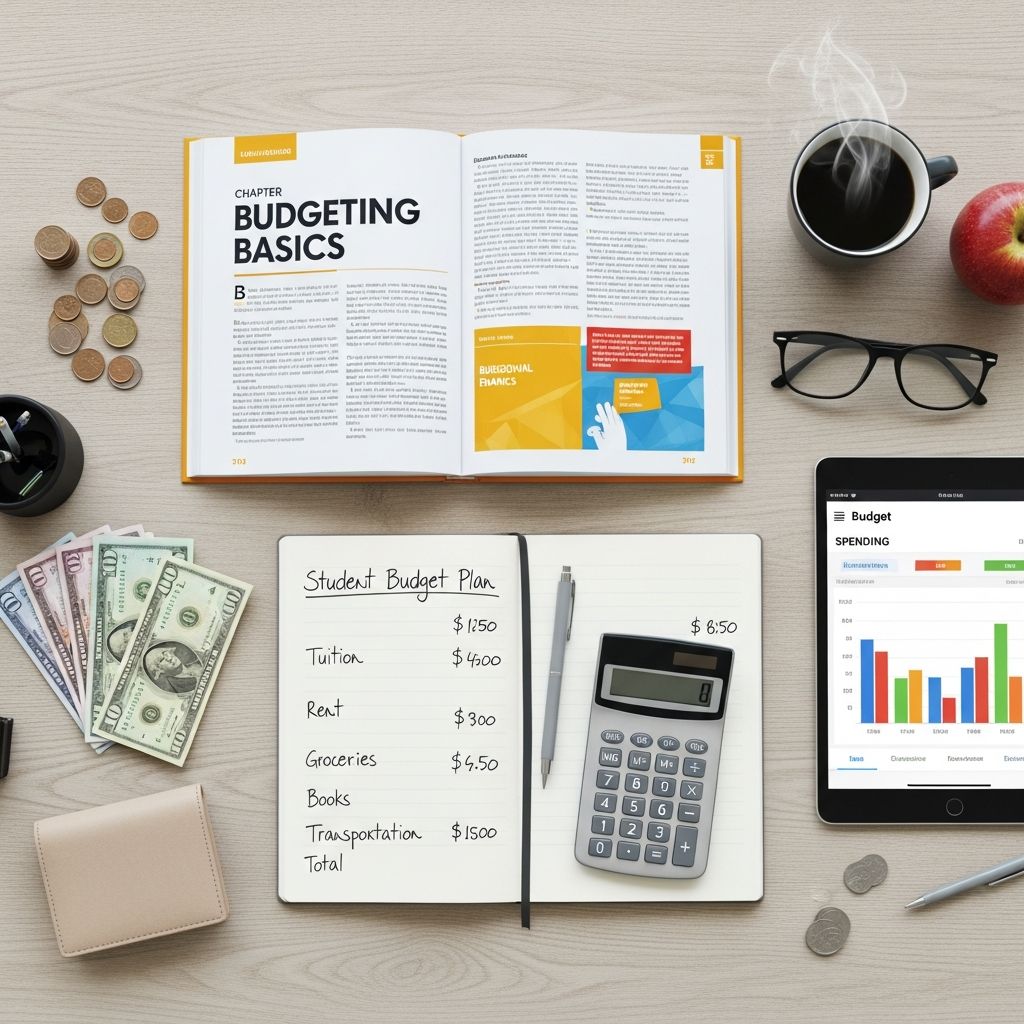
College life brings excitement but also financial pressures from tuition, living costs, and daily needs. Creating a solid budget helps students control spending, reduce stress, and focus on studies. This guide outlines practical steps to assess finances, categorize outflows, adopt proven methods, and maintain discipline for long-term gains.
Assessing Your Total Income Sources
The foundation of any budget starts with knowing exactly how much money flows in monthly. Students often overlook diverse sources beyond part-time jobs, leading to inaccurate planning.
- Part-time wages: Calculate net pay after taxes using tools like paycheck calculators for precision.
- Financial aid: Include scholarships, grants, and loans disbursed per term, dividing by months for a steady figure.
- Family contributions: Factor in consistent support from parents or relatives.
- Other inflows: Gig work, refunds, or side hustles should be estimated conservatively.
Underestimate totals to buffer against fluctuations, ensuring a realistic baseline. For instance, if aid arrives lump-sum, prorate it across the semester.
Categorizing Fixed and Flexible Expenses
Once income is clear, map all outflows. Distinguish fixed costs that rarely change from variable ones offering cutback potential.
| Category | Fixed Examples | Variable Examples | Monthly Estimate Tips |
|---|---|---|---|
| Essentials | Rent, utilities, tuition | Groceries, transport | Track one month first |
| Debt/Loans | Minimum payments | Extra principal | Prioritize to avoid fees |
| Personal | Phone bill, insurance | Entertainment, dining | Separate needs vs. wants |
Overestimate expenses to create surplus room for surprises like textbook hikes or repairs. List everything for two weeks initially to capture habits accurately.
Popular Budgeting Frameworks Tailored for Students
Several strategies simplify allocation. Choose based on lifestyle, selecting one sustainable amid classes and work.
The 50/30/20 Allocation Method
This rule divides net income: 50% to needs (rent, food, transport), 30% to wants (fun, subscriptions), 20% to savings/debt.
- Adapt for students: Needs may exceed 50% initially; adjust wants downward.
- Benefits: Balances necessities with enjoyment, building savings automatically.
Example: $2,000 monthly income yields $1,000 needs, $600 wants, $400 savings.
Pay Yourself First Approach
Transfer savings or debt payments immediately upon payday, treating them as non-negotiable. This curbs impulse buys by shrinking spendable funds.
- Implementation: Aim for 10-20% auto-transfer to a separate savings account.
- Student fit: Protects emergency funds before social spending tempts.
Zero-Based Budgeting Technique
Assign every dollar a job until income minus outflows equals zero, directing extras to goals like loans or funds.
- Steps: Subtract fixed costs first, cap variables, allocate remainder.
- Advantages: Eliminates waste, forces intentionality in tight budgets.
Test methods for a month; the best is the one you follow consistently.
Leveraging Digital Tools for Effortless Tracking
Apps automate monitoring, sending alerts and categorizing spends to prevent overruns.
- Envelope systems: Goodbudget or EveryDollar mimic cash envelopes digitally.
- All-in-one trackers: Mint links accounts for real-time views.
- Bank features: Round-ups or auto-saves on swipes build habits painlessly.
- Calculators: Free school tools like cash flow estimators aid planning.
Separate checking for daily use and savings for goals to visualize progress. Review weekly to adjust.
Smart Cuts and Cost-Saving Hacks
Trim without sacrificing joy by targeting variables.
- Food: Cook communal meals, skip delivery apps.
- Transport: Bike, bus passes, or carpool over rideshares.
- Entertainment: Use campus gyms, free events, student discounts.
- Subscriptions: Audit and cancel unused streaming.
- Shopping: Avoid impulses; wait 24 hours.
Involve family for input on big plans like off-campus moves.
Building Resilience with Emergency Savings
Unexpected hits like illness or tech failure derail budgets. Aim for 3-6 months’ essentials in a high-yield account.
- Start small: $500 initial target, growing monthly.
- Fund it: Leftovers, round-ups, or 20% rule.
- Protect credit: Automate bills to dodge fees and build history.
Short-term goals: semester deposits or books.
Regular Reviews and Goal Setting
Budgets evolve; reassess monthly or post-changes like job shifts.
- SMART goals: Specific, measurable, achievable, relevant, time-bound (e.g., $1,000 saved by finals).
- Track progress: Compare actuals vs. plan; tweak wants quarterly.
- Seek aid: Campus resources for free counseling.
Consistent habits yield independence, lower debt post-grad.
Frequently Asked Questions
What if my needs exceed 50% of income?
Cut wants first, seek scholarships, or side gigs; temporarily adjust ratios.
How do I handle lump-sum aid?
Prorate across months, allocating to a semester account.
Best app for beginners?
Mint or EveryDollar for simplicity and alerts.
Should I budget weekly or monthly?
Monthly for overview, weekly checks for control.
What about credit cards?
Use sparingly for rewards; pay full to avoid interest.
References
- Teaching College Students the Importance of Budgeting — MAI Capital Management. 2023. https://mai.capital/resources/teaching-college-students-budgeting/
- The Student’s Guide to Budgeting in College — BestColleges. 2024-01-15. https://www.bestcolleges.com/resources/budgeting-in-college/
- How to make a budget as a student — TD Bank. 2025. https://www.td.com/ca/en/personal-banking/solutions/student-advice/budget-management-tips-students
- Budgeting Tips for College Students — Regions Bank. 2024. https://www.regions.com/insights/personal/article/budgeting-tips-for-college-students
- Budgeting Tips for Students — University of Florida Student Financial Aid. 2023-09-01. https://www.sfa.ufl.edu/budgeting-tips/
- How to budget as a college student — University of Wisconsin-La Crosse. 2024. https://www.uwlax.edu/college-tips/how-to-budget-as-a-college-student/

- Integrated M.A. in Applied Linguistics, University of Hyderabad
- 5+ years in editorial, instructional, SEO, and research-based writing
Sneha is a relationships and lifestyle writer with a strong foundation in applied linguistics and certified training in relationship coaching. She brings over five years of writing experience to theskillvault, crafting thoughtful, research-driven content that empowers readers to build healthier relationships, boost emotional well-being, and embrace holistic living. Her writing and insights reflect the belief that beauty, happiness, and wellness…