
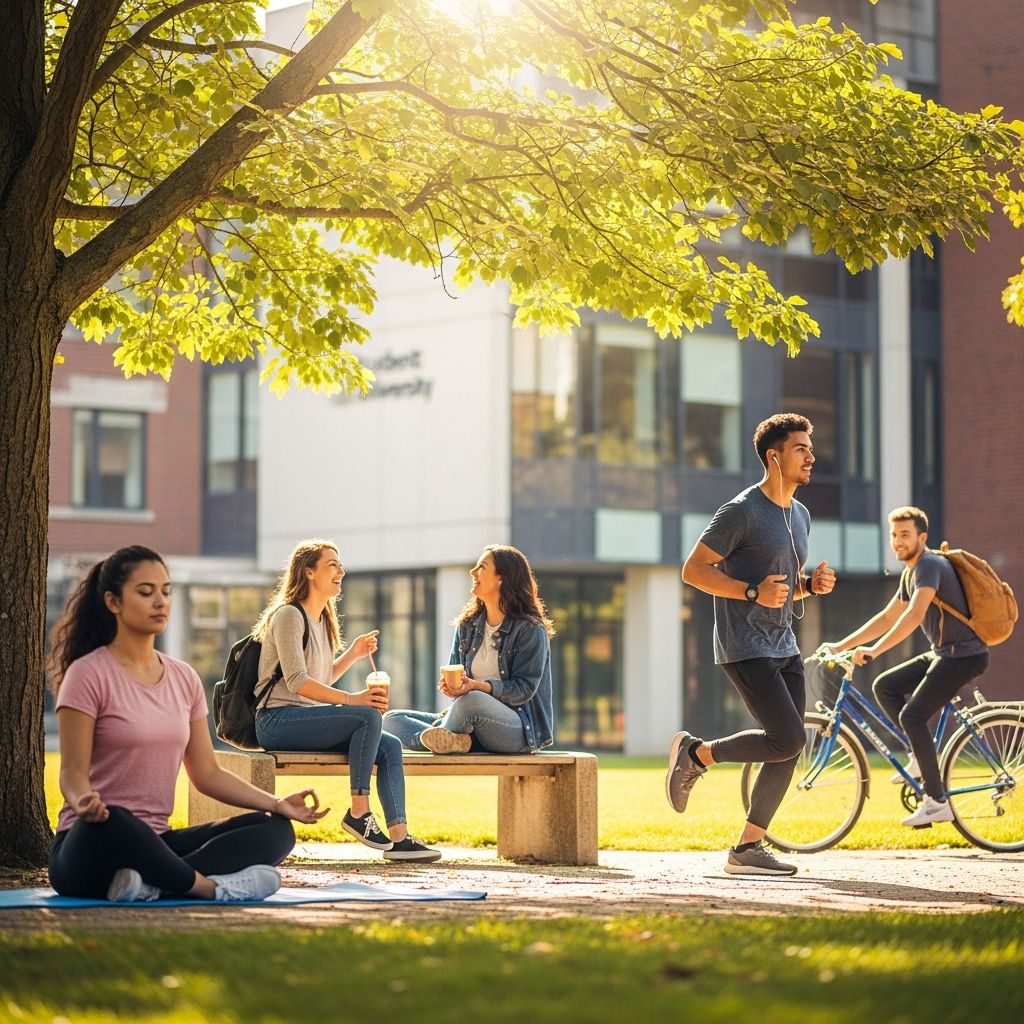
College life presents a unique blend of excitement and pressure, where academic pursuits often collide with personal challenges. Maintaining mental health becomes crucial for long-term success, as stress affects nearly half of students significantly. This guide offers actionable strategies drawn from credible resources to help students cultivate balance, resilience, and joy in their educational journey.
Understanding the Student Mental Health Landscape
The transition to higher education brings intensified demands: rigorous coursework, social adjustments, and newfound independence. Data reveals that 48% of college students face moderate to severe psychological stress, with loneliness impacting 53% and suicidal ideation considered by 26%. These statistics underscore the need for proactive wellness practices. Recognizing early signs like persistent fatigue, irritability, or diminished focus allows students to intervene before issues escalate.
Institutions and organizations emphasize holistic approaches. For instance, toolkits from mental health coalitions provide foundational facts and campus-specific advice to normalize seeking support. Prioritizing emotional wellness enhances learning outcomes, as well-supported students demonstrate better academic performance and retention.
Building a Foundation with Daily Habits
Consistent routines form the bedrock of mental resilience. Start with sleep hygiene: aim for 7-9 hours nightly by setting consistent bedtimes and creating a distraction-free environment. Poor sleep exacerbates anxiety and impairs cognitive function, yet simple adjustments like avoiding screens pre-bedtime yield immediate benefits.
Nutrition plays an equally vital role. A balanced diet rich in whole foods supports brain health, reducing inflammation linked to mood disorders. Incorporate fruits, vegetables, lean proteins, and hydration into meals, even amidst busy schedules. Quick wins include prepping grab-and-go snacks to sidestep processed foods that hinder mental clarity.
Physical activity, whether a brisk walk or yoga session, releases endorphins that combat stress. Just 30 minutes daily improves attention and emotional regulation, making it a non-negotiable for busy students.
Mastering Time and Task Management
Overwhelm stems from poor organization. Employ a weekly planner to dissect assignments into bite-sized tasks, prioritizing by deadlines and effort. Techniques like the Pomodoro method—25 minutes focused work followed by 5-minute breaks—sustain productivity without burnout.
Set realistic boundaries: allocate specific study blocks and protect downtime. Tools like digital calendars with reminders prevent procrastination, a common stressor that amplifies anxiety. Transparent assignment design, such as milestone check-ins, further eases pressure by breaking large projects into manageable steps.
| Technique | Benefits | How to Implement |
|---|---|---|
| Pomodoro | Boosts focus, prevents fatigue | Timer for 25/5 cycles; 4 cycles then long break |
| Weekly Planner | Reduces overload, clarifies priorities | Color-code tasks; review Sundays |
| Milestone Mapping | Builds momentum, tracks progress | Divide projects into weekly goals |
Harnessing Mindfulness for Stress Relief
Mindfulness transforms reactive stress into manageable responses. Practices like deep breathing—inhale for 4 counts, hold 4, exhale 4—offer instant calm during exams or conflicts. Meditation apps provide guided sessions tailored for students, addressing anxiety and sleep issues.
- Breathing Exercises: Use 4-7-8 technique (inhale 4, hold 7, exhale 8) for quick anxiety reduction.
- Body Scans: Tense and release muscle groups to release physical tension.
- Gratitude Journaling: Note three daily positives to shift focus from stressors.
Regular integration builds resilience. Even 5-10 minutes daily enhances focus and emotional processing, equipping students for college pressures.
Cultivating Emotional Awareness and Expression
Emotional self-care involves tuning into feelings without judgment. Journaling clarifies thoughts, aiding problem-solving and stress release. Prompts like “What challenged me today and how did I respond?” foster insight and growth.
Affirmation practices reinforce self-worth: repeat phrases such as “I am capable and prepared” to counter negative self-talk. Pair with relaxation tools like weighted blankets or essential oils for sensory comfort in care routines.
Fostering Supportive Connections
Isolation amplifies struggles, yet strong networks buffer them. Schedule regular check-ins with family via calls or video. On campus, join clubs or study groups to build friendships that provide accountability and uplift.
Don’t hesitate to access professional help. Campus counseling centers offer free sessions, while national resources like NAMI provide guides and hotlines. Normalizing therapy as a strength-builder encourages early intervention.
Optimizing Study Environments for Peak Performance
A conducive space minimizes distractions. Designate a clutter-free zone with good lighting and ergonomic setup. Incorporate plants or calming decor to enhance mood.
Incorporate wellness into academics: schedule class breaks for stretching, incentivize self-care via reflective assignments. “Don’t Cancel Class” approaches maintain momentum while prioritizing health during illnesses.
Leveraging Digital and Campus Resources
Technology amplifies self-care. Apps like Headspace for meditation, Calm for sleep stories, and Moodfit for mood tracking are student favorites. Free YouTube guided sessions target specific issues like procrastination or overwhelm.
- Headspace: Beginner-friendly mindfulness courses.
- Calm: Sleep aids and breathing exercises.
- NAMI: Student-tailored coping strategies and forums.
Campus offerings include wellness workshops, peer support groups, and 24/7 hotlines. Explore syllabi for built-in self-care prompts.
Preventing Burnout Through Proactive Measures
Burnout signals include exhaustion and cynicism. Counter with scheduled downtime: pursue hobbies, nature walks, or creative outlets unrelated to studies. Balance social life by saying no to overcommitments, preserving energy for meaningful interactions.
Track patterns via mood journals to preempt spirals. Embrace flexibility—adjust plans when needed without guilt.
Frequently Asked Questions
How can I fit self-care into a packed schedule?
Integrate micro-habits like 2-minute breathing breaks or meal prepping. Prioritize sleep and use planners to carve out non-negotiable recharge time.
What if I’m already feeling overwhelmed?
Reach out immediately: contact campus counseling, a trusted friend, or hotlines. Start small with grounding techniques while seeking support.
Are mental health apps effective?
Yes, as supplementary tools for mindfulness and tracking, but pair with professional help for deeper issues.
How does exercise impact academic success?
It sharpens focus, reduces anxiety, and boosts memory retention, directly enhancing performance.
When should I seek professional help?
If stress persists, affects daily functioning, or includes hopelessness—early intervention prevents escalation.
References
- College Mental Health Toolkit — The Mental Health Coalition. 2023. https://www.thementalhealthcoalition.org/college-mental-health-toolkit/
- Student Well-being Toolkit — University of Oregon Teaching Support. 2024. https://teaching.uoregon.edu/student-wellbeing-toolkit
- Your College Mental Health Toolkit — Oaks Integrated Care. 2023. https://oaksintcare.org/your-college-mental-health-toolkit/
- Mental Health in College: Balancing Academics, Social Life, and Self-Care — Synergy eTherapy. 2024. https://www.synergyetherapy.com/mental-health-in-college-balancing-academics-social-life-and-self-care/
- Essential Mental Health Tools for College Student Care Packages — College Care Packages. 2023. https://www.collegecarepackages.com/a/blog/essential-mental-health-tools-for-college-student-care-packages
- Your Mental Health Toolkit — BMCC/CUNY. 2024. https://www.bmcc.cuny.edu/student-affairs/counseling/your-mental-health-toolkit/
- Seven Self-care Tips for College Students — Mental Health First Aid. 2023-01-15. https://mentalhealthfirstaid.org/news/seven-self-care-tips-for-college-students/

- Integrated M.A. in Applied Linguistics, University of Hyderabad
- 5+ years in editorial, instructional, SEO, and research-based writing
Sneha is a relationships and lifestyle writer with a strong foundation in applied linguistics and certified training in relationship coaching. She brings over five years of writing experience to theskillvault, crafting thoughtful, research-driven content that empowers readers to build healthier relationships, boost emotional well-being, and embrace holistic living. Her writing and insights reflect the belief that beauty, happiness, and wellness…