
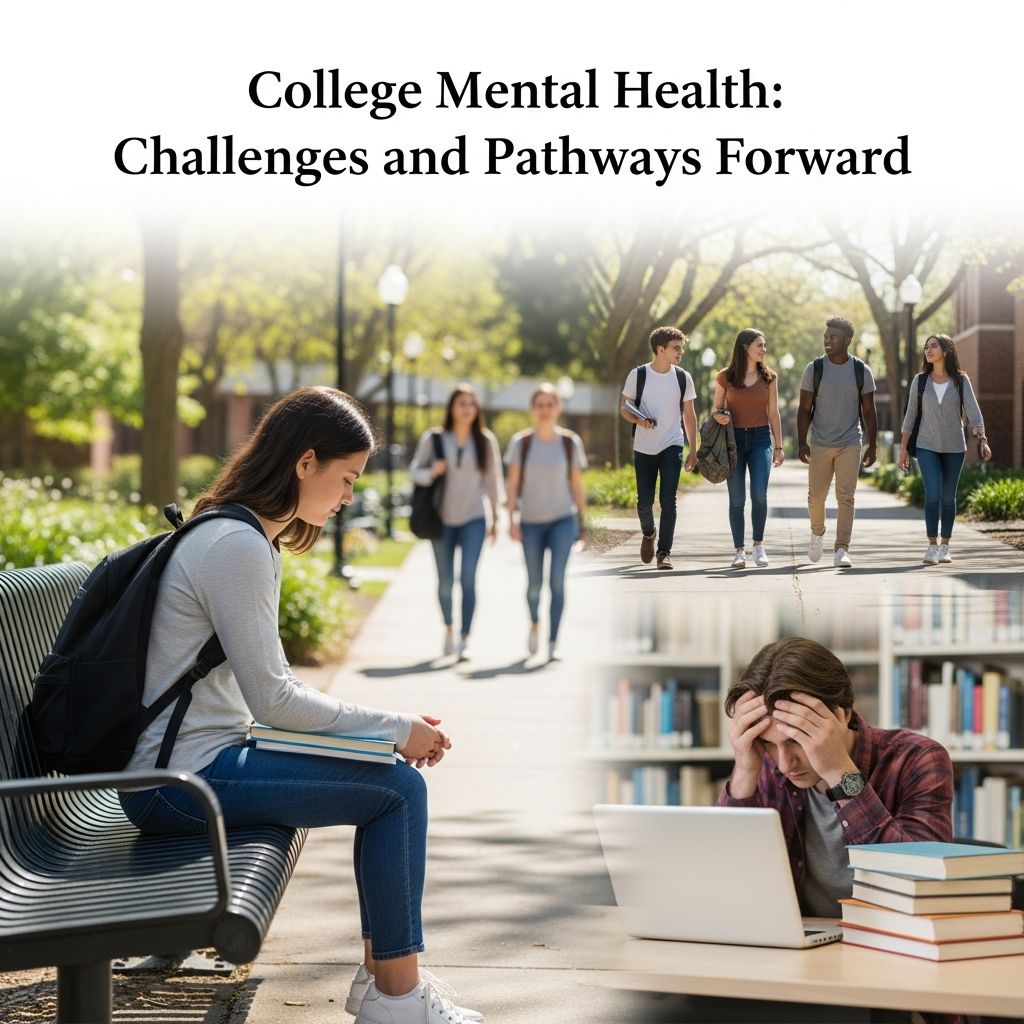
College represents a pivotal transition for young adults, blending academic demands with newfound independence. Yet, this period often amplifies mental health struggles, with recent data revealing both persistent issues and encouraging improvements. While severe symptoms like depression and anxiety remain common, national surveys indicate positive shifts in student well-being over recent years.
Current Landscape of Student Mental Health
Recent large-scale studies paint a nuanced picture of mental health on campuses. The 2024-2025 Healthy Minds Study, surveying over 84,000 students from 135 institutions, reports declining rates of key mental health indicators for the third consecutive year. Moderate to severe depressive symptoms fell from 44% in 2022 to 37% in 2025, with severe cases dropping from 23% to 18%. Anxiety symptoms followed suit, decreasing from 37% to 32%, and suicidal ideation declined from 15% to 11%. Loneliness also eased slightly, from 58% to 52% reporting high levels.
Despite these gains, only 36% of students report ‘flourishing’—high levels of self-esteem, purpose, and optimism—down from 38% the prior year. This disconnect highlights that reducing distress does not automatically boost positive mental health; both dimensions require targeted attention. Over half of students have received a lifetime mental health diagnosis, primarily anxiety (40%) or depression (35%). These trends suggest post-pandemic recovery but underscore ongoing vulnerabilities.
Prevalent Mental Health Conditions Among Students
Anxiety and depression dominate the college mental health scene. Approximately one in three students experiences moderate anxiety or depression, with historical data showing over 60% meeting criteria for at least one mental health issue—a 50% rise since 2013. Substance use, mood disorders, and generalized anxiety are also widespread, often emerging or worsening during the college years due to developmental stressors.
Academic burnout affects 27% of students at high or very high levels, intertwining with mental health to impair performance. Faculty observations align, with 81% noting significantly worse student mental health compared to earlier in their careers. Minority students and certain demographics face elevated risks and lower treatment access, exacerbating disparities.
| Condition | Prevalence (2025) | Change Since 2022 |
|---|---|---|
| Severe Depression | 18% | -5% |
| Moderate-Severe Anxiety | 32% | -5% |
| Suicidal Ideation | 11% | -4% |
| High Loneliness | 52% | -6% |
| Flourishing Mental Health | 36% | -2% |
Data sourced from Healthy Minds Study 2024-2025.
Factors Driving Mental Health Struggles
Several interconnected pressures fuel these challenges. Academic rigor, including heavy workloads and performance expectations, often leads to burnout and procrastination. The shift to independence brings isolation, especially for first-year or remote learners. Financial stress from tuition, living costs, and debt compounds emotional strain.
- Social Dynamics: Navigating relationships, peer pressure, and identity exploration can trigger anxiety, particularly amid social media comparisons.
- Pandemic Legacy: COVID-19 disruptions heightened isolation and uncertainty, with lingering effects on 68% of students whose mental health impacted academics at least one day monthly.
- Lifestyle Factors: Irregular sleep, poor nutrition, and substance experimentation exacerbate symptoms.
Positive shifts, like reduced stigma and pre-college treatment access, explain rising help-seeking, allowing more students with histories of care to attend college.
Accessing Support: Availability and Usage Trends
Mental health service utilization holds steady at 37% for therapy/counseling and 30% for medication in the past year. Among those with depression or anxiety, 60% receive clinical care, a stable figure. However, counseling centers report overload, prompting campuses to expand offerings.
Common barriers persist:
- Lack of time (23%)
- Financial constraints (22%)
- Preference for self/family management (18%)
Faculty engagement is promising: 47% discussed mental health one-on-one with students last year. Lifetime diagnoses are common, yet chronic untreated issues arise from low adherence.
Practical Strategies for Student Resilience
Building mental fitness requires proactive habits. Prioritize sleep (7-9 hours nightly) to enhance mood and cognition. Incorporate movement, like 30-minute walks, to reduce anxiety. Mindfulness practices, such as 10-minute daily meditation, foster emotional regulation.
Time Management Techniques:
- Break tasks into small steps to combat overwhelm.
- Use planners or apps for balanced scheduling.
- Set boundaries on social media to curb comparison.
Cultivate connections through clubs or peer groups. Journaling tracks patterns and gratitude shifts perspectives. Nutrition matters—omega-3s from fish or nuts support brain health.
Institutional Initiatives for Campus Wellness
Colleges are innovating beyond traditional counseling. Peer support programs train students as listeners. Wellness apps offer 24/7 virtual therapy. Faculty training equips educators to spot distress early.
Holistic approaches integrate mental health into orientation, embed counselors in residences, and promote ‘gatekeeper’ training for staff. Data-driven allocation targets high-risk groups. Partnerships with community providers alleviate center burdens.
Academic Success and Mental Well-Being Link
Mental health directly influences grades: 17% miss six-plus academic days monthly due to emotional issues. Conversely, purpose and optimism correlate with higher GPAs. Interventions addressing both yield better retention and outcomes.
Frequently Asked Questions (FAQs)
What percentage of college students experience depression?
Around 37% report moderate to severe symptoms in 2025, down from 44% in 2022.
Has student mental health improved recently?
Yes, depression, anxiety, and suicidal thoughts have declined for three years straight per the Healthy Minds Study.
What are top barriers to seeking mental health help?
Lack of time (23%), finances (22%), and self-reliance preferences (18%).
How can students manage academic stress?
Through time management, exercise, sleep hygiene, and utilizing campus resources.
Do colleges have enough mental health services?
Demand exceeds supply in many cases, but usage is rising and new programs are emerging.
Looking Ahead: Hope and Action
Declining distress rates signal progress, yet flourishing remains elusive for most. Students, faculty, and administrators must collaborate—fostering environments where vulnerability is strength. Early intervention, stigma reduction, and accessible care pave pathways to thriving campuses.
References
- Healthy Minds Study: College student depression, anxiety decline for third consecutive year — University of Michigan School of Public Health. 2025. https://sph.umich.edu/news/2025posts/college-student-mental-health-third-consecutive-year-improvement.html
- College Student Mental Health and Well-Being — American Council on Education. 2025. https://www.higheredtoday.org/policy-research/student-support-success/college-student-mental-health-well/
- The Mental Health Crisis on College Campuses — National Education Association. 2023. https://www.nea.org/nea-today/all-news-articles/mental-health-crisis-college-campuses
- College Student Mental Health Remains Poor — Inside Higher Ed. 2025-09-11. https://www.insidehighered.com/news/student-success/health-wellness/2025/09/11/college-student-mental-health-remains-poor-minority
- College Students: Mental Health Problems and Treatment Seeking — National Center for Biotechnology Information (PMC). 2015. https://pmc.ncbi.nlm.nih.gov/articles/PMC4527955/
- Student mental health is in crisis. Campuses are rethinking their approach — American Psychological Association. 2022-10. https://www.apa.org/monitor/2022/10/mental-health-campus-care

- Integrated M.A. in Applied Linguistics, University of Hyderabad
- 5+ years in editorial, instructional, SEO, and research-based writing
Sneha is a relationships and lifestyle writer with a strong foundation in applied linguistics and certified training in relationship coaching. She brings over five years of writing experience to theskillvault, crafting thoughtful, research-driven content that empowers readers to build healthier relationships, boost emotional well-being, and embrace holistic living. Her writing and insights reflect the belief that beauty, happiness, and wellness…