
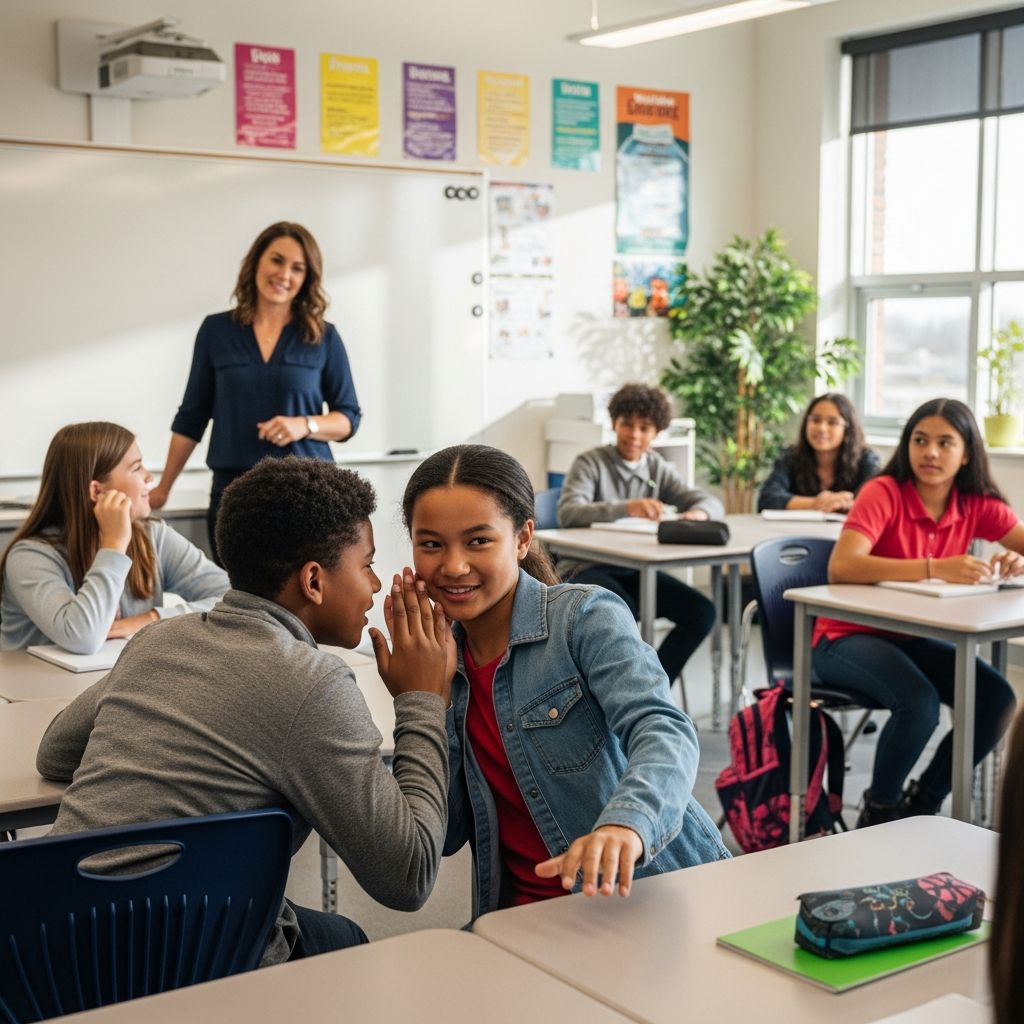
Creating a conducive learning atmosphere requires educators to navigate a range of student behaviors that can interrupt instruction and peer focus. From elementary outbursts to high school distractions, understanding these patterns empowers teachers to respond proactively rather than reactively.
Prevalent Disruptions Across Grade Levels
Student behaviors vary by age, but certain patterns persist throughout schooling. Younger learners often exhibit impulsive actions, while older students engage in more subtle defiance. Identifying these helps tailor interventions.
Elementary School Challenges
In primary grades, children test boundaries as they develop self-regulation. Common issues include blurting answers without permission, emotional outbursts like tantrums, and backtalk during transitions. These stem from limited impulse control and seeking attention.
- Blurting or calling out disrupts lesson flow and models poor listening habits.
- Temper tantrums arise from frustration or unmet needs, escalating if ignored.
- Arguing with instructions challenges authority and delays group activities.
- Incomplete assignments reflect motivation gaps or skill deficits.
- Taking items without asking signals boundary testing.
High School Dynamics
Adolescents face peer pressure and independence urges, leading to tardiness, device distractions, and social talking. These behaviors often mask disengagement or external stressors.
| Behavior | Frequency | Impact |
|---|---|---|
| Tardiness | High | Disrupts start of class |
| Phone use | Very High | Divides attention |
| Social chatter | Moderate | Reduces participation |
| Unfinished work | High | Affects academic progress |
Research shows talking without permission and leaving seats as top concerns universally.
Root Causes Behind Disruptive Actions
Misbehavior rarely occurs in isolation; underlying factors like unmet emotional needs, academic struggles, or environmental triggers drive it. Addressing causes prevents recurrence.
Students may act out when basic needs—belonging, competence, autonomy—are unmet. Medical issues or poor relationships exacerbate this. A qualitative study identified 19 categories, with verbal disruptions and defiance most disruptive due to cultural values of respect.
- Attention-seeking: Talking out of turn or clowning grabs focus.
- Skill gaps: Inability leads to avoidance like sleeping or off-task gazing.
- Peer influence: Nonverbal signals or aggression spreads quickly.
- Authority clashes: Disrespect through arguing violates classroom norms.
Teacher Practices That Fuel Problems
Well-intentioned strategies can backfire, provoking more issues. Awareness allows course correction.
Emphasizing Ability Gaps
Publicly highlighting differences makes students feel inadequate, prompting disengagement or defiance. Unequal questioning reinforces low expectations.
Grading Preliminary Work
Assigning scores to practice shifts focus from learning to performance anxiety, increasing avoidance.
Open Seating Policies
Allowing free choice fosters cliques and stress, not autonomy. Assigned seats promote equity.
Public Reprimands
Calling out names or using boards shames students, worsening behavior via negative cycles. Negative attention alienates rather than redirects.
Proactive Prevention Techniques
Forestall issues by designing supportive environments. Clear expectations and positive reinforcement build habits early.
- Establish rules with subrules; role-play daily for first weeks.
- Teach self-regulation through mini-lessons on transitions.
- Use consistent signals for attention, like non-verbal cues.
- Build relationships via greetings and interest-sharing.
- Assign seats strategically to minimize conflicts.
Responsive approaches address minor issues swiftly and respectfully before escalation.
Immediate Response Strategies
When disruptions occur, calm, logical actions restore order without escalation.
- Ignore minor bids: Planned ignoring works for attention-seeking if peers reinforce ignoring. Expect temporary worsening.
- Proximity control: Stand near without eye contact to refocus.
- Redirect privately: Whisper instructions to avoid embarrassment.
- Logical consequences: Match response to behavior, like extra practice for unfinished work.
For aggression or threats, prioritize safety and involve administration.
Long-Term Behavior Frameworks
Sustainable change requires systems like positive behavior supports. Track patterns to intervene early.
| Framework | Key Elements | Outcomes |
|---|---|---|
| PBIS | Explicit teaching, reinforcement | Reduced disruptions |
| Restorative Practices | Dialogues, accountability | Improved relationships |
| Differentiated Instruction | Meets varied needs | Higher engagement |
Train students on expected behaviors; reinforce compliance over punishment.
Addressing Specific Disruptions
Verbal Interruptions
Talking out of turn tops lists. Use hand signals for raises; praise waiters.
Defiance and Disrespect
Refusals challenge authority. Offer choices: “Work now or recess.”
Technology Misuse
Phones distract; collect at start or use managed devices.
Off-Task and Inattention
Sleeping or gazing signals boredom. Incorporate movement breaks.
Building a Positive Classroom Culture
Culture shifts from punitive to supportive via routines and recognition. Celebrate collective successes to foster unity.
- Daily affirmations boost self-worth.
- Peer mentoring pairs strong with needy students.
- Goal-setting conferences personalize plans.
Equitable attention prevents resentment.
Frequently Asked Questions
What causes most classroom disruptions?
Attention-seeking, skill deficits, and peer dynamics drive many, per student perceptions.
Should teachers ignore misbehavior?
Selectively yes, for minor attention bids, but plan for peers’ reinforcement.
How to handle phone use?
Clear policies with incentives for compliance work best.
Is public shaming effective?
No; it amplifies issues through shame cycles.
What about chronic offenders?
Investigate roots like needs or relationships; use tiered supports.
References
- Classroom Misbehavior in the Eyes of Students: A Qualitative Study — PMC/NCBI. 2012-07-26. https://pmc.ncbi.nlm.nih.gov/articles/PMC3415076/
- How to Handle the Most Common Classroom Misbehaviors — Education Corner. Accessed 2026. https://www.educationcorner.com/common-classroom-misbehaviors/
- Five Practices That Provoke Misbehavior — ASCD. Accessed 2026. https://www.ascd.org/el/articles/five-practices-that-provoke-misbehavior
- Disruptive behavior in the classroom — University of Washington. Accessed 2026. https://dsl.uw.edu/faculty/disruptive-behavior-in-the-classroom/
- 7 Classroom Management Mistakes—and the Research on How to Fix Them — Edutopia. Accessed 2026. https://www.edutopia.org/article/7-classroom-management-mistakes-and-research-how-fix-them/
- A Dozen Common Mistakes and What to Do Instead — SUNY Cortland. Accessed 2026. https://web.cortland.edu/andersmd/psy501/12.htm

Medha Deb is an editor with a master's degree in Applied Linguistics from the University of Hyderabad. She believes that her qualification has helped her develop a deep understanding of language and its application in various contexts. Medha specializes in the areas of beauty, health, sports, and wellness and is committed to ensuring that the content on the website is…