
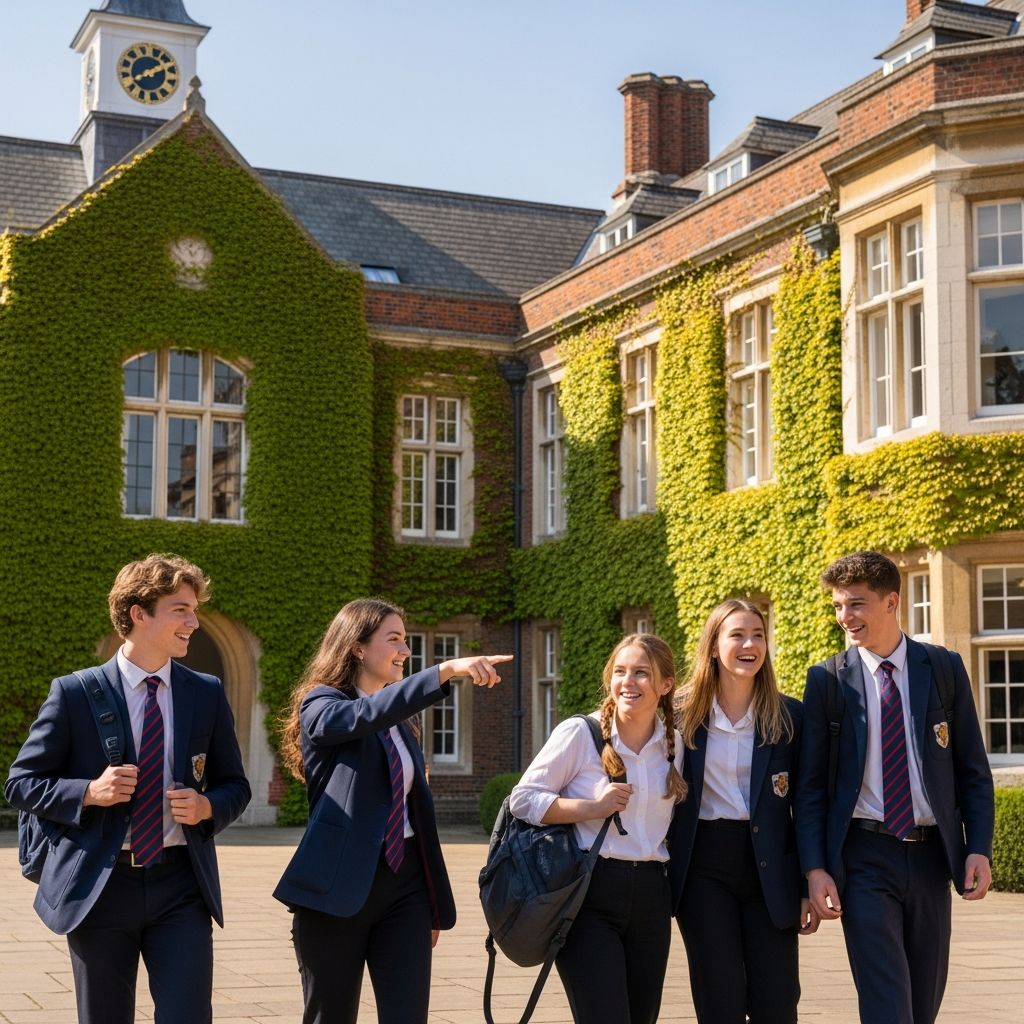
Boarding schools have long captured imaginations with images of elite education and independent living, yet they are surrounded by outdated stereotypes that deter many families. Far from being exclusive havens for the troubled or ultra-wealthy, modern boarding schools provide rigorous academics, diverse communities, and holistic development in a supervised setting. This article addresses key misconceptions, drawing on insights from educational experts to present a balanced view.
The Reality of Accessibility and Cost
One of the most enduring beliefs is that boarding schools cater exclusively to affluent families unable to afford anything less. In truth, robust financial aid programs make these institutions accessible to a wide range of socioeconomic backgrounds. As of 2025, nearly 50% of boarding students receive some form of need-based assistance, significantly broadening the student demographic.
Annual tuition for full boarding typically ranges from $60,000 to $80,000, with five-day options averaging around $55,425. However, schools like Hotchkiss and Blair Academy offer aid averaging over $55,000 per recipient, with some capping family contributions based on income. Families must submit detailed financial statements to organizations like School & Student Services for evaluation, ensuring aid is allocated equitably. Endowments at top schools further support generous packages, sometimes providing tuition-free education for qualifying low-income households.
| Myth | Reality | Example Data |
|---|---|---|
| Only for the rich | 30-50% on financial aid | Hotchkiss: 1/3 students aided, avg. $62k |
| Full price always paid | Sliding-scale tuition | Many cap at % of income |
Who Actually Attends Boarding Schools?
Another prevalent notion portrays boarding schools as dumping grounds for troubled youth or children from broken homes. This could not be further from the truth. Most students enroll as part of strategic educational planning by informed parents seeking optimal academic, extracurricular, and social fits. Institutions prioritize high-achieving applicants with strengths in academics, arts, or athletics, not those needing behavioral correction.
Therapeutic programs exist separately, but traditional boarding schools focus on college preparation. Surveys from schools like St. John’s Northwestern Academies confirm that enrollees pursue excellence, fostering environments where peer motivation thrives. Every academic year, including eighth grade, contributes to admissions profiles, emphasizing consistent performance over remediation.
Daily Life: Structure Meets Independence
Critics often depict boarding life as overly regimented or akin to unsupervised college freedom. Reality lies in a balanced model of supervised independence. Students enjoy structured schedules minimizing idle time, with dorm advisors, proctors, and faculty present 24/7. This setup promotes responsibility while enforcing stricter rules than many home environments or even colleges.
- Dorm parents serve as mentors, not just supervisors, living on-site for constant support.
- Restorative discipline, counseling, and student input on rules prioritize well-being over punishment.
- Flexible privileges like supervised outings and open-campus policies enhance fun without chaos.
Personalization is encouraged—students decorate dorms with personal items, building a sense of home. Athletic and extracurricular opportunities abound, countering ideas of purely academic focus.
Diversity and Global Perspectives
Homogeneity is another myth. Boarding schools draw students nationwide and internationally, creating vibrant, multicultural communities often more diverse than local day or public schools. Over 25% of students at elite institutions are international, supplemented by socioeconomic variety via aid.
Racial, ethnic, and cultural diversity flourishes through global recruitment and events promoting cultural competency, like those at The Hun School. This exposure equips students with invaluable interpersonal skills for future success.
Maintaining Family Connections
Fears of isolation persist, with assumptions that boarding severs family ties. Modern technology and scheduling counter this effectively. Five-day boarding allows weekend home returns, while full-boarders benefit from family weekends, holidays, and virtual check-ins. Platforms share dorm updates, photos, and live events, keeping parents involved remotely.
Hybrid models and strategic breaks ensure emotional bonds remain strong, with students reporting greater independence yet sustained family closeness compared to day school peers.
Academic Excellence and College Outcomes
Does prestige guarantee Ivy League spots? No—success hinges on individual performance, not school name. Competitive admissions seek ‘best-fit’ candidates aligning with institutional values, never assuming acceptance. Graduates excel due to rigorous preparation, achieving higher advanced degree rates and leadership roles.
Media portrayals mislead; true insights come from campus visits, student interactions, and faculty discussions.
Safety and Behavioral Environment
Concerns about rampant substance use or rebellion overlook inherent safeguards. More adults per student, busy schedules, and public living reduce unsupervised risks. Discovery is likely, leading to swift consequences via structured support systems like peer mediation.
Studies indicate lower incidence rates than day schools, thanks to accountability and wellness programs.
Benefits Beyond the Myths
Debunking these ideas reveals boarding schools’ strengths: unparalleled faculty access, lifelong friendships, leadership development, and personalized growth. Students gain resilience, time management, and global awareness, positioning them for thriving futures.
Frequently Asked Questions
Are boarding schools only for high school?
No, many start from middle school, building foundational skills early.
How do I apply for financial aid?
Submit a Parent Financial Statement to SSS and the school’s aid office for need-based review.
Can students leave campus?
Yes, under supervised conditions like outings or family weekends, varying by school policy.
Is boarding school like military school?
Not typically; focus is academic and holistic, not regimented discipline.
What about homesickness?
Supportive staff, counseling, and family contact help most adjust within weeks.
References
- Common Boarding School Myths — IECA. Accessed 2025. https://www.iecaonline.com/resource/common-boarding-school-myths/
- Boarding School Myths Debunked (2025 Edition) — BoardingSchoolReview.com. 2025. https://www.boardingschoolreview.com/blog/boarding-school-myths-debunked-2025-edition
- Common Myths About Boarding Schools — Westtown School. Accessed 2025. https://www.westtown.edu/common-myths-about-boarding-schools/
- 7 Common Myths About Boarding Schools — International School MN. Accessed 2025. https://internationalschoolmn.com/school-news/blog-7-common-myths-about-boarding-schools
- Myths About Boarding School — The Hun School of Princeton. Accessed 2025. https://www.hunschool.org/resources/boarding-school-myths

Medha Deb is an editor with a master's degree in Applied Linguistics from the University of Hyderabad. She believes that her qualification has helped her develop a deep understanding of language and its application in various contexts. Medha specializes in the areas of beauty, health, sports, and wellness and is committed to ensuring that the content on the website is…