
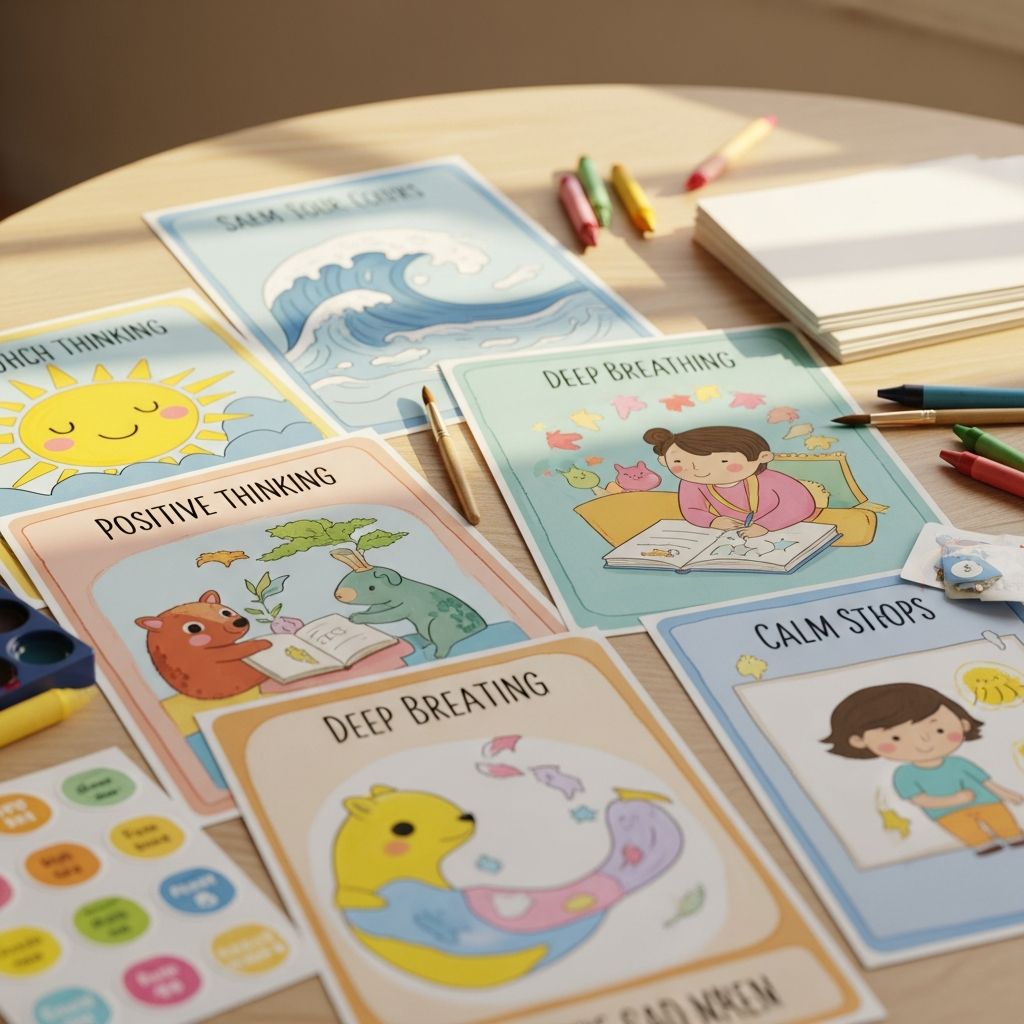
Teaching children how to navigate their emotions is a cornerstone of emotional development. Coping skills printables offer visual, interactive ways to introduce strategies for managing stress, anxiety, and frustration. These resources transform abstract concepts into tangible tools that kids can use daily in classrooms or at home.
Why Coping Skills Matter for Young Learners
Children encounter a range of challenges, from academic pressures to social interactions, that can trigger overwhelming feelings. Healthy coping mechanisms help them self-regulate, reducing meltdowns and building confidence. Research shows that early intervention with structured coping strategies improves emotional regulation and resilience. Printables make these lessons accessible, allowing repeated practice through posters, worksheets, and games.
Educators and parents can integrate these into morning routines, counseling sessions, or family discussions. By displaying colorful charts or completing fillable sheets, kids internalize skills like deep breathing or positive self-talk, leading to better focus and fewer behavioral issues.
Core Categories of Coping Strategies
Coping skills fall into distinct groups, each targeting different aspects of emotional health. Understanding these helps select the right printables for specific needs.
- Relaxation Techniques: Focus on calming the body, such as breathing exercises or progressive muscle relaxation.
- Mindfulness Practices: Encourage present-moment awareness to reduce worry about past or future events.
- Physical Activities: Use movement to release tension, like stretching or quick games.
- Creative Outlets: Channel emotions through drawing, journaling, or crafting.
- Social Supports: Promote reaching out to trusted adults or peers for help.
Printables in these categories often include checklists or progress trackers, helping kids identify what works best for them.
Top Printable Resources for Immediate Use
Free downloads abound online, offering ready-to-print materials tailored for youth. Here’s a curated selection based on reliable educational sources.
| Resource Name | Description | Target Age | Key Features |
|---|---|---|---|
| Coping Skills Handouts | Colorful posters with talking points for parents and teachers | 5-12 | Bilingual (EN/ES), visual reminders |
| Inventory of Coping Skills Worksheet | Brainstorming sheet to list personal strategies | 8-14 | Customizable, promotes self-awareness |
| Cope-Cake Recipe Card | Fun recipe format for creating emotion management plans | 4-10 | Game-like, includes coloring |
| 101 Coping Skills List | Comprehensive numbered ideas from music to exercise | 10+ | Quick reference, printable checklist |
| 50 Coping Skills for Kids | Guided meditations and simple activities | 6-12 | Visual aids like balloon breathing |
These tools are versatile—laminate for reuse or distribute during group activities. For example, the Cope-Cake worksheet lets children ‘bake’ their plan by listing favorite strategies, making learning playful.
Implementing Printables in Classroom Routines
Incorporate coping printables into daily schedules for maximum impact. Start with a morning announcement segment where students review a skill poster. Use worksheets during circle time for sharing experiences.
Sample Weekly Plan:
- Monday: Breathing exercises printable—practice 4-7-8 breathing.
- Wednesday: Mindfulness grounding sheet—name 5 things you see, 4 you touch, etc.
- Friday: Group decatastrophizing activity to reframe worries.
Track progress with a class coping skills chart, rewarding consistency with stickers. This builds a supportive environment where kids feel equipped to handle challenges independently.
Age-Appropriate Adaptations
Tailor printables to developmental stages for effectiveness. Younger children (ages 4-7) benefit from picture-based posters with minimal text, like emotion faces linked to actions. Older kids (8-12) engage with worksheets requiring reflection, such as journaling prompts or strategy inventories.
For teens, focus on advanced tools like self-care planners that address screen time and social pressures. Always include diverse representations in visuals to ensure inclusivity.
Healthy vs. Unhealthy Coping: A Teaching Table
Guide discussions with a clear comparison to reinforce positive choices.
| Healthy Coping | Unhealthy Coping | Why It Matters |
|---|---|---|
| Deep breathing, walking | Yelling, avoiding | Builds long-term resilience[10] |
| Journaling, talking to friends | Overeating, substance use | Prevents escalation of issues[10] |
| Mindfulness, exercise | Self-harm, isolation | Promotes emotional safety |
Use this table on a printable handout for students to reference and discuss[10].
Building a Personal Coping Toolkit
Empower kids to create customized kits using printables. Start with a blank worksheet where they list 5-10 strategies, rate their effectiveness, and add drawings. Include sensory items like stress balls alongside the sheet.
Regular check-ins refine the toolkit. For instance, the wellness worksheets in teen resources allow tracking trials and preferences, fostering ownership.
Evidence-Based Benefits
Structured coping tools yield measurable gains. Worksheets aid in identifying triggers and building resilience, with studies supporting their role in anxiety reduction. Programs like those from extension services show improved self-regulation in children. Consistent use correlates with better academic performance and peer relations.
Frequently Asked Questions (FAQs)
How do I introduce coping printables to shy students?
Begin privately with one-on-one sessions, using non-verbal activities like coloring sheets to build comfort before group sharing.
Are these printables suitable for students with special needs?
Yes, many are adaptable—simplify language, add visuals, or pair with sensory tools for neurodiverse learners.
Can parents use these at home?
Absolutely; hang posters in common areas and review talking points together for family reinforcement.
What if a skill doesn’t work for my child?
Encourage experimentation via inventory sheets; what works varies by individual.
How often should kids practice these skills?
Daily integration, like 5-minute sessions, embeds habits effectively.
Advanced Activities for Deeper Learning
Elevate basic printables with interactive extensions. Create a ‘Coping Skills Scavenger Hunt’ where kids find items matching strategies on their sheet. Role-play scenarios using decatastrophizing worksheets to prepare for real-life tests.
For classrooms, develop a coping skills wall with student-contributed art and notes, evolving as they master new techniques. These activities reinforce learning through play and collaboration.
References
- Coping Skills Printables and Talking Points — Strong4Life. 2023. https://www.strong4life.com/en/schools-and-community/parent-resources/parent-resources-handouts-and-more/coping-skills-printables-and-talking-points
- Coping Skills – TPT — Teachers Pay Teachers. 2024. https://www.teacherspayteachers.com/browse/free?search=coping+skills
- 8 Coping Skills Worksheets for Adults and Youth (+ PDFs) — PositivePsychology.com. 2023-10-15. https://positivepsychology.com/coping-skills-worksheets/
- Coping Skills Worksheets And Game — Purdue Extension. 2022. https://extension.purdue.edu/4-H/_docs/copecakescopingskillworksheets.pdf
- Coping Skills for Teens Workbook — Indiana Tech Wellness Clinic. 2023. https://www.indianatech.edu/wellness-clinic/wp-content/uploads/sites/61/Coping-Skills-for-Teens-Workbook-1.pdf
- 101 Coping Skills — Sacred Heart University Counseling Center. 2022. https://www.sacredheart.edu/media/shu-media/counseling-center/101_Coping_Skills_ADA.pdf
- 50 Coping Skills for Kids — Wasatch Pediatrics. 2022-09. https://wasatchpeds.net/wp-content/uploads/2022/09/50-Coping-Skills-for-Kids.pdf

- Integrated M.A. in Applied Linguistics, University of Hyderabad
- 5+ years in editorial, instructional, SEO, and research-based writing
Sneha is a relationships and lifestyle writer with a strong foundation in applied linguistics and certified training in relationship coaching. She brings over five years of writing experience to theskillvault, crafting thoughtful, research-driven content that empowers readers to build healthier relationships, boost emotional well-being, and embrace holistic living. Her writing and insights reflect the belief that beauty, happiness, and wellness…