
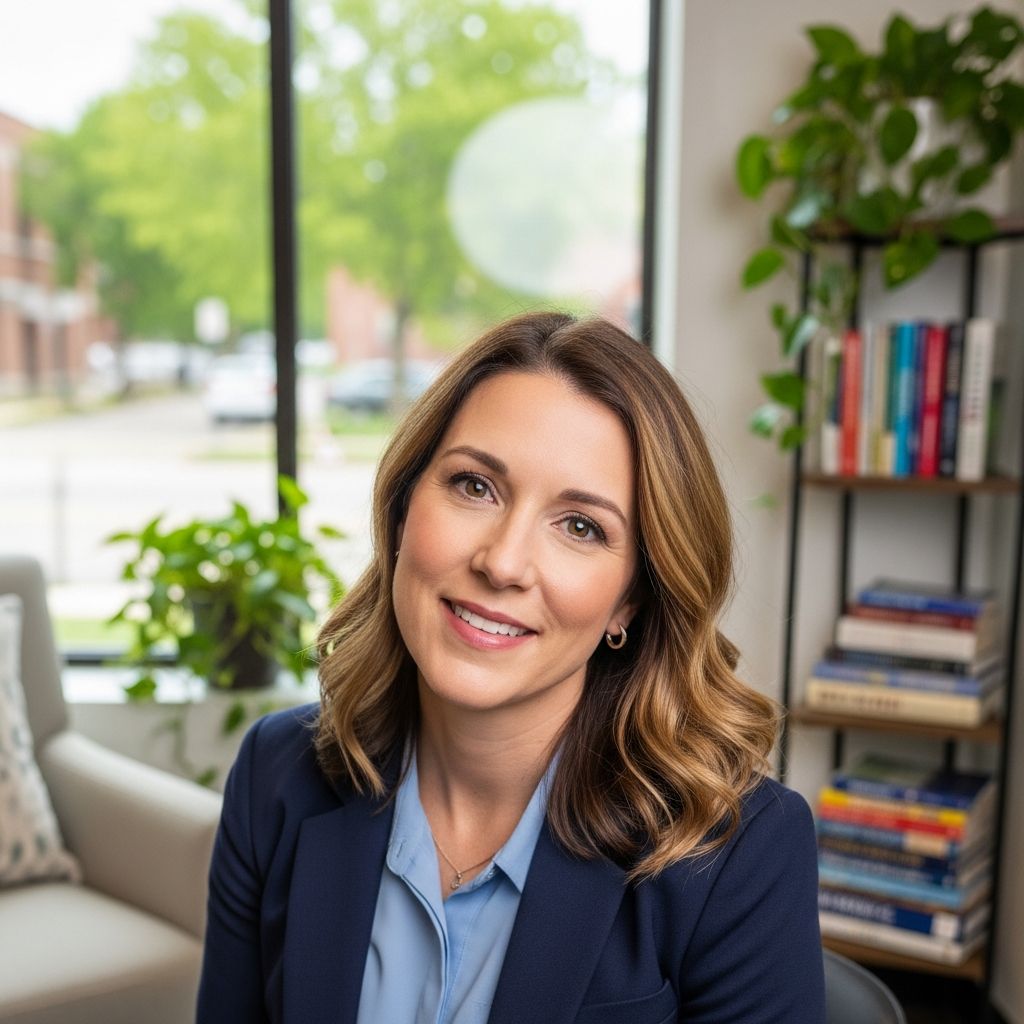
Akron has a wide range of mental health resources, from private therapists and community clinics to hospital-based behavioral health programs and university counseling centers. Understanding your options can help you choose care that fits your needs, budget, and schedule.
Why People in Akron Seek Counseling
Counseling is not only for crisis situations. People seek support for many reasons, including day-to-day stress and long-standing emotional difficulties. Research consistently shows that psychotherapy can meaningfully improve symptoms of depression, anxiety, and other mental health conditions for many people.1
- Emotional health concerns such as persistent sadness, anxiety, irritability, or mood swings
- Relationship stress involving partners, family members, friends, or coworkers
- Life transitions like moving, divorce, retirement, job loss, or becoming a parent
- Work and academic pressure including burnout, performance anxiety, and perfectionism
- Trauma and loss related to accidents, violence, abuse, or bereavement
- Substance use and concerns about alcohol, drugs, or addictive behaviors
In Ohio, as in other states, mental health and substance use challenges are common, and treatment is considered an essential part of overall health by major health systems in the region.2
Types of Counseling Services Available in Akron
Akron residents can access care in several formats. The right choice depends on your symptoms, preferences, risk level, and practical needs.
Individual Counseling
Individual counseling involves one-on-one appointments with a counselor, psychologist, social worker, or psychiatrist. Sessions typically last 45–60 minutes and may be weekly, bi-weekly, or less frequent depending on your goals and progress.
Common focuses include:
- Managing depression, anxiety, and stress
- Processing grief and trauma
- Improving self-esteem and self-confidence
- Addressing sleep, motivation, or concentration problems
- Developing healthier coping strategies and habits
Couples and Family Therapy
Couples and family therapy bring more than one person into the room to improve patterns of interaction and communication. Many community agencies and private practices in and around Akron offer these services, sometimes with a focus on parenting support or conflict resolution.3
- Couples counseling works on communication, trust, conflict, intimacy, and decision-making.
- Family therapy looks at how family dynamics affect each member and seeks healthier ways to solve problems together.
Group Counseling
Group counseling brings several people with similar concerns together with one or more therapists. University counseling centers in Akron emphasize that group therapy can be as effective as individual therapy for many issues, especially for anxiety, depression, and relationship concerns.4
Common themes for groups include:
- Managing anxiety and panic
- Depression and low mood
- Stress management and resilience
- Grief and loss
- Identity and life transitions (e.g., college adjustment)
Teletherapy and Online Options
Many Akron providers, including local universities and hospital systems, now offer teletherapy using secure video or telephone platforms, particularly for people who cannot easily attend in-person sessions or prefer remote care.4
Teletherapy may be a good fit if you:
- Have transportation or mobility limitations
- Work irregular hours or multiple jobs
- Live farther from central Akron or lack nearby services
- Prefer the privacy of attending sessions from home
Intensive Outpatient and Hospital-Linked Programs
When weekly therapy is not sufficient but a full hospital stay is not needed, intensive outpatient programs (IOPs) can offer several hours of therapy on multiple days per week. Cleveland Clinic Akron General, for example, provides structured CBT- and DBT-based intensive programs for conditions like depression, anxiety, PTSD, and personality-related difficulties.2
| Level of Care | Typical Time Commitment | Who It May Suit |
|---|---|---|
| Traditional outpatient therapy | 45–60 minutes, 1x per week | Mild–moderate symptoms; stable daily functioning |
| Intensive outpatient program (IOP) | 3+ hours per day, several days per week | Moderate–severe symptoms; needing deeper support without hospitalization |
| Inpatient or residential care | 24-hour care, short- or longer-term | Severe symptoms, safety concerns, or acute crises |
Common Evidence-Based Approaches Used in Akron
Most major counseling centers and health systems in the Akron area emphasize the use of evidence-based treatments, meaning methods that have been tested in controlled research and shown to help many people.25
Cognitive Behavioral Therapy (CBT)
CBT focuses on the connection between thoughts, feelings, and behaviors. By identifying unhelpful thinking patterns and learning new skills, many clients see improvement in depression, anxiety disorders, and other conditions.5
Core features include:
- Structured, goal-oriented sessions
- Homework between sessions to practice skills
- Clear focus on present-day problems as well as relevant past patterns
Dialectical Behavior Therapy (DBT)
DBT is particularly helpful for people experiencing intense emotions, self-harm urges, or chronic relationship instability. Hospital and clinic programs near Akron have DBT-focused tracks that teach practical skills for tolerating distress and regulating emotions.2
- Mindfulness skills to stay grounded in the present
- Distress tolerance skills for getting through crises safely
- Emotion regulation skills for understanding and changing emotions
- Interpersonal effectiveness skills for setting boundaries and asking for needs
Motivational Interviewing and Substance Use Treatment
Several Akron-area agencies combine mental health counseling with substance use treatment. Many use motivational interviewing, a collaborative approach that helps people explore ambivalence and strengthen internal motivation to change.16
Trauma-Focused and Integrative Therapies
For trauma survivors, therapists may use trauma-focused CBT, EMDR, or other modalities. Community mental health providers in Summit County also integrate case management, peer support, and primary care with psychotherapy to address both mental and physical health needs.67
Where Akron Residents Commonly Receive Services
You can access counseling through several types of organizations, each with advantages related to cost, specialization, and convenience.
Community Mental Health Centers
Nonprofit agencies in and around Akron provide counseling, psychiatric services, and crisis support, often with sliding-scale fees and public funding. These centers may offer:
- Individual, group, and family therapy
- Medication management and psychiatric evaluation
- Case management and support with housing, employment, or benefits
- Crisis intervention and emergency psychiatric services
Such centers are key access points for people without private insurance and for those needing more intensive or comprehensive support.67
Hospital and Health-System Programs
Large health systems serving Akron, such as integrated hospital networks, provide behavioral health care linked to medical services. Their programs typically include:
- Outpatient therapy and psychiatric care
- Intensive outpatient and partial hospitalization programs
- Inpatient psychiatric units for acute stabilization
- Coordination with primary care and specialty medical teams
These programs can be especially appropriate if you have significant medical conditions alongside mental health needs.28
University Counseling Centers
Students at Akron-area colleges often have access to no-cost or low-cost counseling through campus counseling centers. The University of Akron, for example, offers individual counseling, group therapy, teletherapy, crisis assessment, and referrals for longer-term or specialized care.4
Private Practices
Licensed counselors, psychologists, social workers, and psychiatrists also work in private offices or small group practices throughout the city and surrounding communities. Private practices may offer:
- Greater choice of therapist specialization and style
- Flexible appointment times, including evenings
- Options for in-person or telehealth sessions
They may accept insurance, private pay, or a combination of both.
How to Choose a Counselor in Akron
Selecting a counselor is a personal decision, and it is reasonable to ask questions and compare options before committing.
Clarify Your Needs and Goals
Before reaching out, take a moment to define what you are looking for. You do not need to know your exact diagnosis; a general sense of your situation is enough.
- Are you mainly struggling with mood, anxiety, trauma, relationships, or substance use?
- Do you prefer short-term, goal-oriented work or longer-term exploration?
- Is it important that your counselor share a certain background, language, or cultural understanding?
Check Professional Credentials
In Ohio, mental health professionals are regulated and must hold appropriate licenses to provide counseling. Common credentials include:
- LPCC / LPC – Licensed Professional Clinical Counselor / Counselor
- LISW / LSW – Licensed Independent Social Worker / Social Worker
- Psychologist (PhD or PsyD) – Licensed by the state psychology board
- Psychiatrist (MD or DO) – Medical doctor specializing in mental health
It is appropriate to ask where they trained, how long they have been practicing, and what licenses they hold.
Ask About Treatment Approach and Experience
Evidence-based guidelines from organizations such as the American Psychological Association emphasize providing treatments that fit both the client’s needs and scientific evidence.5
Consider asking:
- “What kinds of issues do you most often treat?”
- “What therapy approaches do you typically use (for example, CBT, DBT, trauma-focused methods)?”
- “What does a typical session look like, and how do we set goals?”
Consider Practical Factors
- Insurance and fees – Ask whether they accept your insurance, offer sliding-scale fees, or provide payment plans.
- Location and format – Consider commute time, parking, accessibility, and whether teletherapy is available.
- Availability – Clarify wait times for an initial appointment and typical ongoing schedule.
Preparing for Your First Counseling Session
Feeling nervous before your first session is completely normal. A little preparation can help you feel more comfortable and make good use of your time.
- Write down a few key issues you want to mention.
- List any medications you take and significant medical or mental health history.
- Think about what you hope will be different in three to six months.
- Bring your insurance card, ID, and any required paperwork.
Most first sessions involve an assessment, where the counselor asks about your symptoms, history, strengths, and goals. At the end, they typically share their impressions and discuss possible next steps, which may include ongoing counseling, referrals, or other supports.4
Making the Most of Counseling
Therapy is an active process. Progress often depends on your willingness to participate, reflect, and practice new skills between sessions.
- Be as open and honest as you can. Your counselor does not expect perfection; they need accurate information to help.
- Ask questions. If something does not make sense, ask for clarification or a different explanation.
- Give feedback. Let your therapist know what is and is not working for you.
- Practice skills between sessions. Many evidence-based therapies rely on real-life practice to create lasting change.
When to Seek More Intensive Help
Sometimes weekly counseling is not enough, or symptoms become severe. In such cases, more intensive services in the Akron region may be necessary.
- Intensive outpatient or partial hospitalization programs for serious mood, anxiety, or personality-related conditions2
- Emergency psychiatric services or crisis centers for immediate safety concerns6
- Inpatient hospitalization if you or someone you care about is at risk of harming self or others
If you are in immediate danger, contact emergency services or a crisis line right away. Counseling services can then help with follow-up care and ongoing support after the crisis has passed.
Frequently Asked Questions (FAQs)
Q: How long does counseling usually last?
A: Length varies widely. Some people attend 6–12 sessions for a specific issue, while others continue longer-term. Evidence-based brief therapies often aim for clear goals over a defined period, but you and your counselor will decide together what makes sense.
Q: Can I switch counselors if it does not feel like a good fit?
A: Yes. A strong therapeutic relationship is one of the best predictors of positive outcomes. If you do not feel comfortable after a few sessions, it is reasonable to request a different provider or seek a second opinion.
Q: Are counseling sessions confidential?
A: In general, what you share in counseling is confidential. Providers are legally required to keep information private except in specific situations, such as risk of serious harm, suspected abuse of vulnerable individuals, or certain court orders. Your counselor will review these limits during your first meeting.4
Q: What if I cannot afford counseling in Akron?
A: Community mental health centers, university counseling centers (for enrolled students), and some nonprofit clinics provide low-cost or sliding-scale services. Large health systems may also have financial assistance policies for eligible patients.67
Q: Is medication always required for mental health treatment?
A: Not everyone needs medication. Many people benefit from psychotherapy alone, while others find that a combination of counseling and medication is most effective. Hospital-linked programs in Akron commonly coordinate therapy with psychiatric medication when appropriate.28
References
- Behavioral & Mental Health Center – Akron, OH — Summit Psychological Associates. 2024. https://www.summit-psychological.org
- Psychiatry & Behavioral Sciences, Akron General — Cleveland Clinic. 2024. https://my.clevelandclinic.org/locations/akron-general/specialties/psychiatry-behavioral-sciences
- Counseling & Psychotherapy — The University of Akron Counseling & Testing Center. 2024. https://www.uakron.edu/counseling/counseling-and-psychotherapy/
- Counseling & Testing Center — The University of Akron. 2024. https://www.uakron.edu/counseling/
- Clinical Practice Guideline for the Treatment of Depression — American Psychological Association. 2019. https://www.apa.org/depression-guideline
- Portage Path Behavioral Health — Portage Path Behavioral Health. 2023. https://www.portagepath.org
- Mental and Behavioral Health Services — Summa Health. 2024. https://www.summahealth.org/medicalservices/behavioral

Medha Deb is an editor with a master's degree in Applied Linguistics from the University of Hyderabad. She believes that her qualification has helped her develop a deep understanding of language and its application in various contexts. Medha specializes in the areas of beauty, health, sports, and wellness and is committed to ensuring that the content on the website is…