
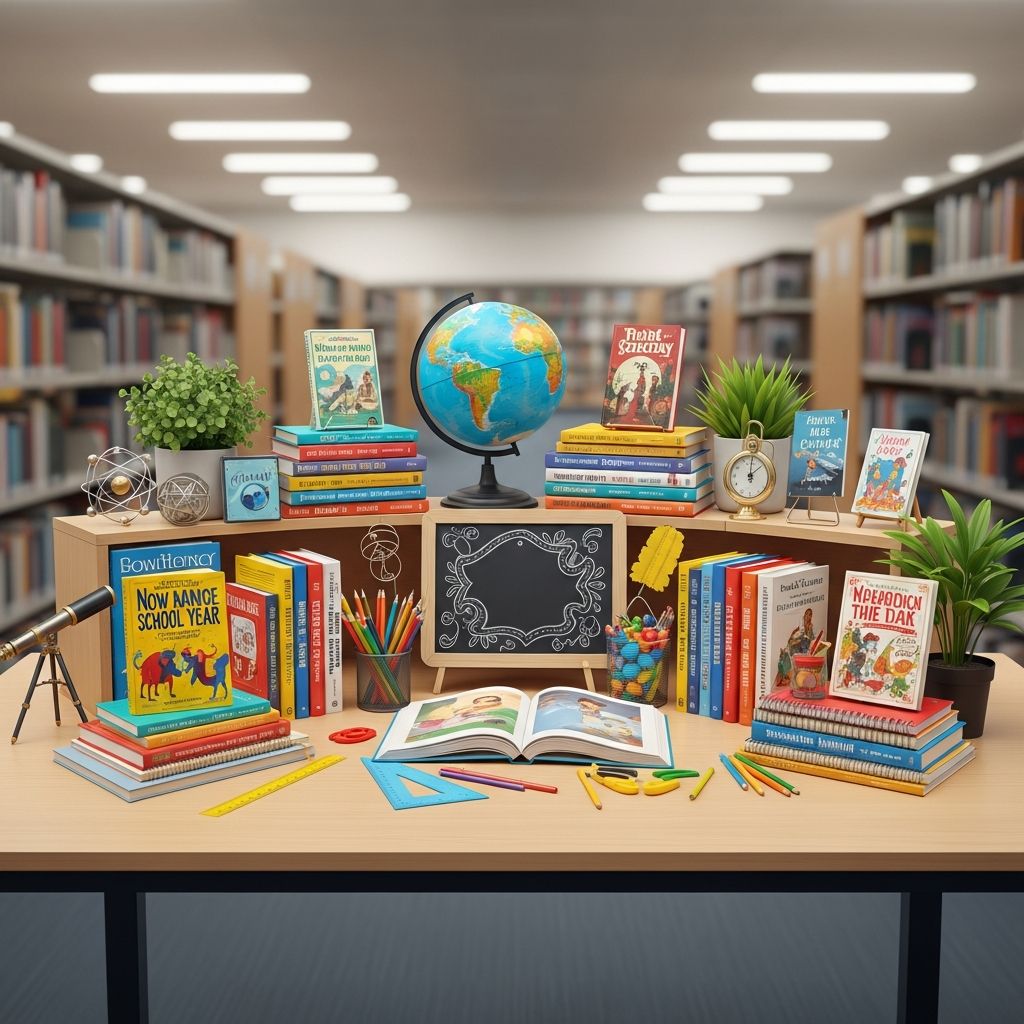
Designing Library Spaces That Welcome Learners
The beginning of a new school year presents a unique opportunity for librarians and educators to establish the tone for the year ahead. The physical environment of a library plays a crucial role in shaping students’ attitudes toward reading and learning. A thoughtfully designed bulletin board serves as more than decoration—it functions as a welcoming gesture, a communication tool, and an inspiration for academic curiosity. When students enter a library adorned with engaging displays, they immediately sense that reading is valued and celebrated within the school community.
Creating compelling library displays requires understanding the developmental stages of your student population and tailoring content accordingly. Elementary students respond to bright colors, recognizable characters, and interactive elements, while middle and high school students appreciate displays that acknowledge their evolving interests and identities. The investment of time in designing these displays pays dividends through increased library traffic, improved student engagement with reading materials, and a stronger sense of belonging within the school library.
Building Community Through Inclusive Displays
One of the most powerful functions of a library bulletin board is its ability to build community and foster inclusion. Displays that celebrate cultural diversity, showcase student achievements, and reflect various family structures and backgrounds help all students see themselves represented in the learning space. This representation is not merely decorative—research in education demonstrates that students perform better academically and feel more connected to school when their identities are visible and valued in their learning environments.
Consider designing displays that highlight different cultural celebrations, languages, and traditions throughout the school year. A fall bulletin board might feature greetings and literature selections in multiple languages, introducing students to new languages while honoring the diverse backgrounds present in your school community. These displays can feature student-created artwork, translations of popular books, or biographical information about authors from various cultures. By rotating these displays seasonally, you ensure that different communities feel celebrated and represented throughout the year.
Interactive Elements That Encourage Participation
The most effective library displays go beyond passive observation by incorporating interactive components that invite student participation. Bulletin boards with sticky note stations, pull-tab revelations, or question prompts encourage students to engage directly with the display rather than simply viewing it. These interactive elements transform a static decoration into a dynamic conversation between the library and its users.
Consider implementing these interactive strategies:
- Create a “Why I Love Reading” wall where students add their responses on colorful cards throughout the month
- Design a “Book Recommendations” carousel where students can rotate through peer-suggested titles with brief reviews
- Develop a mystery element where students guess character identities or book titles based on visual clues or quotations
- Set up a “This Month’s Challenge” board with reading prompts that encourage exploration of new genres
- Incorporate a feedback mechanism where students can vote on future display themes or book collection topics
Character-Driven Displays for Early Readers
For elementary school libraries, displays featuring beloved fictional characters create immediate visual interest and serve as conversation starters. Characters from popular children’s literature, animated films, and picture books provide an accessible entry point for early readers to engage with the library environment. These displays function particularly well at the beginning of the school year when younger students may feel overwhelmed by the size and scope of a full library collection.
A character-themed bulletin board can integrate multiple elements of library instruction. For instance, a display centered around a beloved character might include a reading challenge where students check off books featuring similar themes or written by the same author. Silhouettes of recognizable characters can serve as visual anchors around the library, helping younger students navigate to different sections. Staff can create a “Character of the Month” spotlight that rotates through different titles and their protagonists, gradually introducing the full breadth of the collection to young readers.
Celebrating Literary Achievement and Personal Growth
School libraries are ideal spaces for recognizing student achievement and celebrating personal growth. Bulletin boards that showcase student reading milestones, creative responses to literature, and individual accomplishments reinforce the value of literacy while building student confidence. These displays create positive peer influence, as students see their classmates’ achievements and feel motivated to set their own reading goals.
Consider these approaches for achievement-focused displays:
- “Pages Read” thermometer that tracks collective class reading progress toward a school-wide goal
- Student book reviews or literary critiques displayed alongside the actual books
- Photo gallery celebrating students as “Authors of the Month” or “Readers of the Week”
- Timeline displays showing the evolution of an author’s work or a genre’s development over time
- Student artwork inspired by books they’ve read, creating a visual bridge between literature and creative expression
Thematic Organization and Seasonal Transitions
Strategic use of thematic organization helps students understand library organization systems while creating visually coherent displays. Rather than scattered, disconnected bulletin boards, consider organizing your library displays around overarching themes that connect multiple boards and create a cohesive visual narrative throughout the space. Seasonal transitions provide natural opportunities to refresh displays and maintain student interest throughout the year.
At the beginning of the school year, displays might emphasize themes of adventure, new beginnings, and discovery. These themes naturally align with the academic calendar and student psychology at the start of the year. As the year progresses, displays can shift to reflect seasonal changes, cultural celebrations, and curricular emphases. This cyclical approach to display design maintains visual interest and ensures that displays remain relevant to students’ current experiences and interests.
Genre Exploration and Reading Breadth
Many students gravitate toward familiar genres and authors, potentially limiting their exposure to the full range of literature available. Strategic bulletin boards can challenge students to explore new genres and expand their reading horizons. Genre-focused displays make it easier for students to locate materials outside their usual preferences and provide context for why exploring new genres enriches their literacy experience.
Design displays that introduce students to various genres through engaging visual frameworks:
- Mystery genre board featuring detective characters and suspenseful imagery
- Science fiction and fantasy showcase with imaginative worlds and futuristic themes
- Historical fiction display connecting literature to time periods and real events
- Graphic novels and visual storytelling celebration highlighting diverse narrative formats
- Poetry showcase presenting verse in accessible, visually appealing ways
Incorporating Technology and Modern Elements
Contemporary bulletin boards can seamlessly integrate technology with traditional display elements. QR codes linking to book trailers, author interviews, or reading guides add a modern dimension to physical displays. Augmented reality elements, when feasible, can transform static images into interactive experiences. Even simple additions like laminated cards with links to digital resources enhance the bridge between physical and digital literacy experiences.
Technology integration also extends to planning and documentation. Photography of bulletin boards creates a digital portfolio demonstrating your library’s evolving design approach. Social media integration, when appropriate, can extend the reach of library displays beyond the physical space, engaging families and community members in celebrating school literature initiatives.
Budget-Conscious Design Strategies
Creating visually appealing displays need not require extensive budgets. Effective design relies more on thoughtfulness and creativity than financial expenditure. Student-created elements, repurposed materials, and collaborative design processes can produce displays that rival those created with substantial resources.
Consider these cost-effective approaches:
- Encourage students to create display elements as part of class projects or library volunteer work
- Utilize natural materials like leaves, branches, and stones for seasonal decorations
- Repurpose materials from previous years’ displays by reimagining their purpose and presentation
- Partner with art classes to create original artwork for bulletin boards
- Use book covers from discarded or donated books as display elements
- Take advantage of free printable resources available through educational websites
Assessment and Iterative Improvement
Effective library displays benefit from ongoing assessment and refinement. Observe which displays generate increased traffic to specific collection areas, gather student feedback about display themes and content, and track circulation data to determine whether displays effectively promote particular titles or genres. This data-driven approach to display design ensures that your efforts directly contribute to your library’s instructional and engagement goals.
Establish assessment practices that include:
- Tracking circulation patterns before, during, and after display changes
- Conducting informal student surveys about display preferences and themes
- Documenting foot traffic patterns within the library to identify high-engagement areas
- Collecting teacher feedback about how displays support curriculum and student learning
- Analyzing the effectiveness of different interactive elements in generating student participation
Seasonal and Event-Based Display Planning
Strategic planning throughout the school year ensures that displays remain fresh and relevant while aligning with school events, curricular units, and natural seasonal transitions. A display calendar created at the beginning of the school year allows for thoughtful sequencing of themes and adequate preparation time for each display transformation. This planning prevents last-minute scrambling and ensures consistent quality across displays throughout the year.
Display calendar considerations:
- Back-to-school displays in August and September that emphasize welcomeness and new beginnings
- Fall displays celebrating harvest themes, cultural traditions, and adventure literature
- Winter holiday displays recognizing various cultural celebrations and giving-focused themes
- Spring displays highlighting renewal, growth, and outdoor exploration themes
- End-of-year displays celebrating reading accomplishments and previewing summer reading opportunities
Frequently Asked Questions
Q: How often should library bulletin boards be updated?
A: Most educators recommend updating displays every 4-6 weeks to maintain student interest and keep content aligned with seasonal changes and curricular emphases. More frequent updates in high-traffic areas and less frequent changes in supplementary displays creates a balanced approach.
Q: What materials work best for creating durable displays?
A: Laminated paper, fabric backings, and bulletin board paper designed for repeated use provide durability. Velcro attachments allow elements to be repositioned without damage, and weather-resistant materials are essential for displays in high-traffic or humid areas.
Q: How can I involve students in creating library displays?
A: Student involvement can include creating artwork, writing book reviews or recommendations, designing display layouts, or participating in interactive elements. Student library clubs, volunteers, and class projects all provide opportunities for meaningful participation.
Q: What makes a display effectively encourage reading?
A: Effective displays feature appealing visuals, clear connections to students’ interests, easy access to featured books, and interactive or engagement elements that invite participation. Displays should visually celebrate reading and make books easily accessible rather than serving purely decorative functions.
Q: How can I ensure displays are inclusive and representative?
A: Intentionally select books and imagery representing diverse cultures, abilities, family structures, and perspectives. Solicit student input about representation, regularly feature authors and characters from underrepresented communities, and create displays that explicitly celebrate diversity and inclusion.
References
- Back-to-School Bulletin Board Ideas From Creative Teachers — We Are Teachers. 2024. https://www.weareteachers.com/back-to-school-bulletin-board-ideas/
- 32 Back to School Bulletin Board Ideas for 2025 — Teach Starter. 2025. https://www.teachstarter.com/us/blog/back-to-school-bulletin-board-ideas/
- Make the Most of Your Library Bulletin Boards — The Trapped Librarian. 2023. https://trappedlibrarian.org/2023/01/16/library-bulletin-boards/
- Welcome Back Library Bulletin Board — Teachers Pay Teachers. 2024. https://www.teacherspayteachers.com/browse?search=welcome+back+library+bulletin+board

- Integrated M.A. in Applied Linguistics, University of Hyderabad
- 5+ years in editorial, instructional, SEO, and research-based writing
Sneha is a relationships and lifestyle writer with a strong foundation in applied linguistics and certified training in relationship coaching. She brings over five years of writing experience to theskillvault, crafting thoughtful, research-driven content that empowers readers to build healthier relationships, boost emotional well-being, and embrace holistic living. Her writing and insights reflect the belief that beauty, happiness, and wellness…