
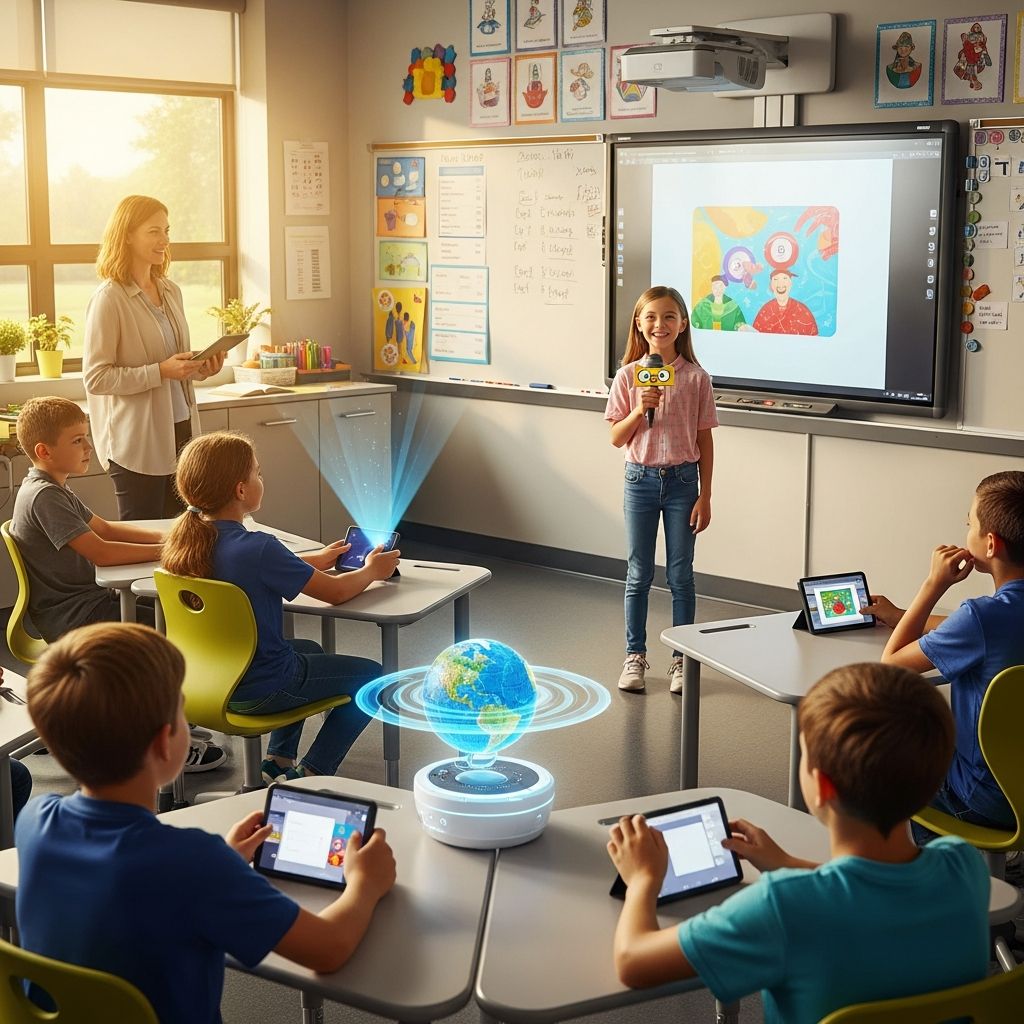
Daily morning announcements serve as a vital ritual in schools, setting the tone for the day while delivering essential information. When designed thoughtfully, they can do much more: foster community, spark excitement for learning, and reinforce key educational concepts. This article delves into fresh approaches to elevate these brief moments into powerful tools for engagement and growth.
The Power of Purposeful Morning Briefings
Morning announcements are more than logistical updates; they are opportunities to build school spirit and prepare students mentally for the day ahead. Effective ones blend information with inspiration, helping students transition from home to school mode seamlessly.
Research from educational bodies highlights how structured routines like these improve focus and behavior. For instance, consistent daily rituals correlate with better attendance and participation rates in classrooms.
Core Elements of Engaging Announcements
- Clarity and Brevity: Keep messages concise, aiming for 3-5 minutes to maintain attention.
- Relevance: Tailor content to student interests, such as upcoming events or shout-outs for achievements.
- Interactivity: Incorporate questions or polls to involve listeners actively.
By focusing on these pillars, teachers can transform announcements from passive listening into active participation.
Technology Integration for Dynamic Delivery
Leveraging digital tools revolutionizes how announcements are shared. Platforms like Google Slides or Canva allow for visually appealing slides with animations and images that capture attention instantly.
| Tool | Key Features | Best For |
|---|---|---|
| Google Slides | Easy sharing, templates, real-time edits | Team-prepared bulletins |
| Canva | Drag-and-drop design, animations | Visually stunning graphics |
| Padlet | Interactive boards, student posts | Feedback and polls |
| Flipgrid | Video responses | Student video shout-outs |
These tools not only enhance aesthetics but also enable student involvement in creation, promoting ownership.
Student-Led Initiatives: Empowering Voices
Handing the microphone to students creates authentic connections. Programs where pupils rotate as announcers build public speaking skills and confidence. Start with training sessions on scripting, tone, and timing to ensure smooth delivery.
- Weekly rotations among classes.
- Theme-based days, like ‘Science Spotlight’ led by science club members.
- Peer recognition segments for positive behaviors.
This approach shifts announcements from teacher-centric to community-driven, fostering leadership from an early age.
Creative Formats to Spark Interest
Beyond standard scripts, experiment with varied styles:
- Podcast Style: Record audio clips played over speakers, ideal for auditory learners.
- Video Broadcasts: Short clips filmed with school cameras, including fun transitions.
- Themed Weeks: Poetry Mondays, trivia Tuesdays to inject variety.
- Guest Spots: Invite principals or community members for special messages.
Variety prevents monotony, keeping students anticipating the daily update.
Building School Culture Through Announcements
Announcements are prime real estate for cultural reinforcement. Highlight values like kindness, perseverance, and inclusivity through stories or quotes. Feature student artwork or project spotlights to celebrate creativity across grades.
Integrate mindfulness moments, such as a 30-second breathing exercise, to promote emotional well-being. Data from school wellness programs shows such practices reduce anxiety and improve readiness for learning.
Practical Implementation Steps
- Plan Weekly: Collaborate with staff to curate content Sundays.
- Script Templates: Use fill-in formats for consistency: Greeting, News, Spotlight, Closing.
- Tech Setup: Test audio-visuals the day before.
- Feedback Loop: End with quick surveys via QR codes.
- Archive: Save recordings for absent students.
Following these steps ensures reliability and continuous improvement.
Overcoming Common Challenges
Technical glitches or reluctant participants can hinder efforts. Solutions include backup scripts on paper and pairing shy students with outgoing peers. For time constraints, prioritize 3 key items daily.
Teacher workload is another hurdle; delegate to student councils or older grades for preparation, turning it into a mentorship opportunity.
Measuring Success and Impact
Track engagement through observation: note increased questions or smiles during announcements. Surveys can quantify enjoyment levels, while tying content to behavior metrics like reduced tardiness shows broader effects.
Long-term, schools report stronger community bonds and heightened motivation when announcements are innovative.
Frequently Asked Questions (FAQs)
What age groups benefit most from interactive announcements?
Elementary through high school students thrive, but adapt complexity: simple visuals for young kids, career tips for teens.
How do I start a student announcer program?
Begin with volunteers, provide rubrics for practice, and gradually expand to auditions for fairness.
Are there free tools for creating announcement graphics?
Yes, Canva’s free tier and Google Workspace offer robust options without costs.
Can announcements include academic reviews?
Absolutely; quick math puzzles or vocab challenges reinforce learning playfully.
How often should formats change?
Rotate monthly to sustain interest without overwhelming preparation.
Advanced Strategies for Seasoned Educators
For veteran teachers, integrate announcements with curriculum. Link to reading by featuring book quotes or align with social studies via historical facts. Use data projectors for live polls connected to lesson objectives.
Collaborate across grades: elementary announces to middle school via video links, promoting inter-level bonds. During events like spirit weeks, theme announcements with costumes or props for immersive fun.
Incorporate global perspectives by sharing international student news or cultural holidays, broadening worldviews. Partner with local businesses for sponsored shout-outs, teaching real-world connections.
Case Studies: Real-World Examples
In one urban school, switching to video announcements boosted participation by 40%, as measured by post-surveys. Students reported feeling more valued when seeing peers on screen.
A rural district used podcast formats, distributing via apps; remote learners stayed connected, improving equity. These examples illustrate scalability across settings.
Another innovation: gamified announcements with points for class participation, redeemable for privileges. Engagement soared, with classes competing healthily.
Future Trends in Classroom Communications
AI tools will soon generate personalized announcements based on class data. VR elements could immerse students in virtual assemblies. Voice assistants might deliver tailored morning briefs via classroom devices.
Hybrid models will dominate post-pandemic, blending in-person and remote delivery seamlessly. Sustainability themes will rise, with eco-tips in daily messages.
Staying ahead means experimenting boldly while prioritizing student voice.
Implementing these ideas requires commitment but yields lasting rewards: engaged students, vibrant cultures, and memorable school experiences. Start small, iterate based on feedback, and watch your mornings transform.
References
- National Center for Education Statistics – School Climate Reports — U.S. Department of Education. 2024-09-15. https://nces.ed.gov/surveys/ntps/
- Edutopia: Best Practices for Morning Meetings — Edutopia (George Lucas Educational Foundation). 2025-02-10. https://www.edutopia.org/article/morning-meetings-best-practices
- Journal of School Health – Impact of Routines on Student Behavior — Wiley Online Library (Peer-reviewed). 2023-11-01. https://doi.org/10.1111/josh.13345
- Common Sense Media – Digital Tools for Classroom Engagement — Common Sense Media. 2025-01-20. https://www.commonsensemedia.org/educators
- American Educational Research Association – Student-Led Activities Review — AERA (Peer-reviewed). 2024-06-12. https://www.aera.net/Publications/Journals

Medha Deb is an editor with a master's degree in Applied Linguistics from the University of Hyderabad. She believes that her qualification has helped her develop a deep understanding of language and its application in various contexts. Medha specializes in the areas of beauty, health, sports, and wellness and is committed to ensuring that the content on the website is…