
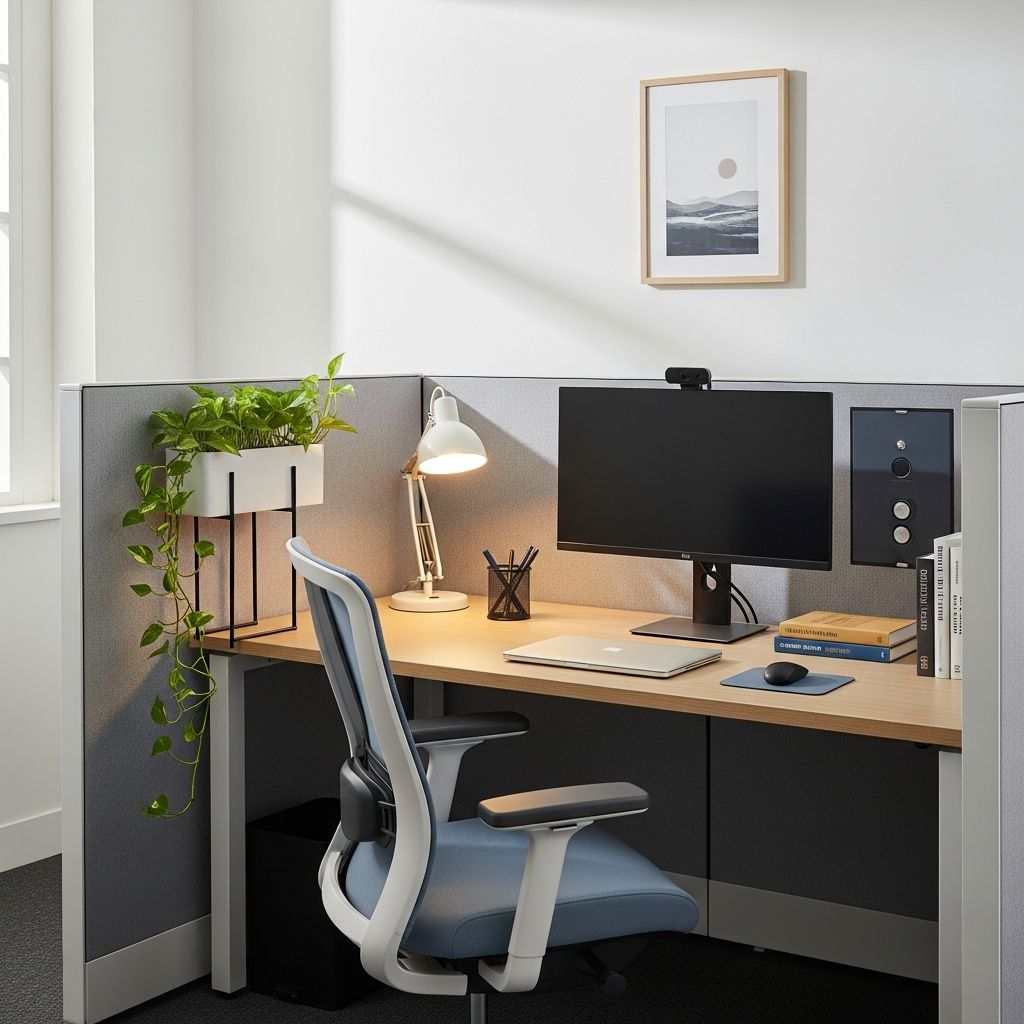
Working in a cubicle environment often means dealing with limited space, constant visibility, and shared surroundings that can disrupt concentration. Customizing your cubicle not only establishes a sense of personal territory but also improves efficiency and mental well-being. This guide explores fresh approaches to crafting a functional barrier, optimizing storage, and infusing personality into your workspace without violating office rules.
Why Cubicle Customization Matters for Daily Performance
A thoughtfully arranged cubicle acts as more than just a desk area; it becomes a dedicated zone that supports sustained focus amid office bustle. Research from occupational health experts highlights how personalized workspaces correlate with up to 15% higher productivity levels due to reduced cognitive overload from visual noise. By implementing targeted modifications, employees report lower stress and greater job satisfaction.
Key advantages include shielding from prying eyes, streamlining access to tools, and creating an inspiring atmosphere. Start by evaluating your current setup: identify high-traffic sightlines, cluttered zones, and underused areas. This assessment lays the groundwork for meaningful changes that align with your workflow.
Building Effective Privacy Barriers
Privacy forms the cornerstone of cubicle enhancement. Traditional open-plan designs expose workers to interruptions, making concentration challenging. Introduce subtle dividers to reclaim your space.
- Fabric Panels on Rails: Attach lightweight tension rods across the top of your partition and drape breathable fabric. Choose neutral tones for professionalism or subtle patterns for flair. This setup diffuses light while blocking direct views, fostering a cocoon-like feel.
- Translucent Acrylic Sheets: Secure clear or frosted panels using adhesive hooks. These allow natural light passage but obscure details, ideal for collaborative floors where total seclusion might seem isolating.
- Plant Walls: Suspend cascading greenery from ceiling hooks or shelves. Plants like pothos or ivy create a living screen, purifying air and softening acoustics per environmental studies.
Ensure any addition complies with company policy by opting for removable, non-permanent fixtures. Test visibility from common angles to confirm effectiveness without hindering emergency access.
Smart Storage Solutions to Declutter Instantly
Clutter breeds inefficiency; a streamlined desk keeps essentials at hand and clears mental space. Prioritize multi-functional items that fit cubicle constraints.
| Solution | Benefits | Best For |
|---|---|---|
| Monitor Risers with Drawers | Elevates screen for ergonomics; hides cables and supplies below | Daily tech users |
| Wall-Mounted Pegboards | Customizable hooks for tools; frees desk surface | Creative professionals |
| Stackable Clear Bins | Visible contents; nests for flexibility | Document-heavy roles |
| Magnetic Strips | Holds metal items like scissors; slim profile | Minimalist setups |
Implement a zoning system: assign the front desk for active tasks, mid-level shelves for references, and upper storage for archives. Regularly purge unused items using the ‘one-in, one-out’ principle to sustain order.
Ergonomic Enhancements for Long-Term Comfort
Comfort directly impacts output. Adjust your setup to support posture and reduce fatigue during extended sessions.
- Position your monitor at eye level, about an arm’s length away, to prevent neck strain—a recommendation from workplace safety guidelines.
- Incorporate a footrest under the desk for better circulation, especially if chair height is fixed.
- Add a small fan or diffuser for air quality control, combating stale office air that can sap energy.
Layer in anti-fatigue elements like a cushioned mat if standing periods occur. These tweaks, grounded in human factors engineering, can cut discomfort by significant margins.
Infusing Personality Without Overdoing It
A touch of personal flair turns a sterile cubicle into a motivating nook. Balance professionalism with individuality.
- Curate a mini gallery of motivational prints or family snapshots in slim frames on side panels.
- Incorporate thematic desk accessories, such as a themed mug or coaster set that sparks joy.
- Display subtle awards or certifications to boost confidence subtly.
Avoid overcrowding; aim for 20% decor, 80% function. Colors influence mood—blues for calm, greens for focus—backed by color psychology research.
Daily Maintenance Routines for Lasting Results
Sustained organization requires habits. Dedicate five minutes at session end to reset: file papers, wipe surfaces, and reposition items.
- Scan for stray items and return them promptly.
- Process digital and physical inboxes weekly.
- Monthly deep clean: dust panels, reorganize storage.
Track progress with a simple checklist pinned visibly. Consistency transforms one-time fixes into enduring productivity boosters.
Advanced Tech Integration for Modern Workflows
Leverage gadgets to elevate efficiency. Create a dedicated charging hub with cord wraps to tame wires. Wireless peripherals minimize desk tangles.
Smart lighting strips under shelves provide task illumination without overhead glare. Voice-activated assistants handle notes, keeping hands free. These integrations align with evolving remote-hybrid norms, enhancing adaptability.
Frequently Asked Questions (FAQs)
What are the best materials for cubicle privacy screens?
Fabric, frosted acrylic, and plants work best as they are lightweight, removable, and allow light diffusion while blocking views effectively.
How can I organize cables in a small cubicle?
Use clips, sleeves, and under-desk trays to bundle and hide cables, preventing tangles and creating a clean appearance.
Are plants recommended for cubicle workspaces?
Yes, low-maintenance varieties like succulents improve air quality, reduce stress, and serve as natural privacy elements.
What’s the ideal frequency for cubicle decluttering?
Daily quick resets, weekly purges, and monthly deep cleans maintain organization without overwhelming your routine.
Can personalization affect office professionalism?
Subtle, policy-compliant touches enhance morale without detracting; focus on functional decor for best results.
Overcoming Common Cubicle Challenges
Noise leakage? Acoustic panels disguised as art absorb sound. Limited power outlets? Power strips with surge protection extend reach safely. Shared printers far away? Portable stands for local printing reduce trips.
For collaborative teams, semi-transparent barriers maintain openness while protecting focus zones. Adaptations like these address real-world hurdles comprehensively.
Budget-conscious? DIY options abound: repurpose cardboard into organizers, covered in fabric for polish. Thrift stores yield inexpensive shelves and hooks. Total investment under $50 yields outsized returns in comfort and output.
Scaling up, consider adjustable partitions if facilities allow. Modular systems from office suppliers offer reconfiguration as roles evolve.
References
- 20 Organized Cubicle Ideas to Transform Your Workspace — BKM Office. 2023-05-15. https://www.bkmoffice.com/organized-cubicle-ideas/
- Cubicle And Office Organization Ideas — Ace Office Systems. 2024-02-10. https://aceofficesystems.com/blogs/news/cubicle-and-office-organization-ideas
- 10 Office Cubicle Organization Ideas — Office Solutions FL. 2023-11-20. https://officesolutionsfl.com/office-cubicle-organization-ideas/
- 17 Organized Cubicle Ideas — Freedman’s Office Furniture. 2024-01-05. https://www.freedmansonline.com/blogs/blog/organized-cubicle-ideas
- 10 Tips to Organizing Your Work Cubicle — Ambers Organizing. 2023-08-12. https://ambersorganizing.com/organizing-your-work-cubicle/

- Integrated M.A. in Applied Linguistics, University of Hyderabad
- 5+ years in editorial, instructional, SEO, and research-based writing
Sneha is a relationships and lifestyle writer with a strong foundation in applied linguistics and certified training in relationship coaching. She brings over five years of writing experience to theskillvault, crafting thoughtful, research-driven content that empowers readers to build healthier relationships, boost emotional well-being, and embrace holistic living. Her writing and insights reflect the belief that beauty, happiness, and wellness…