
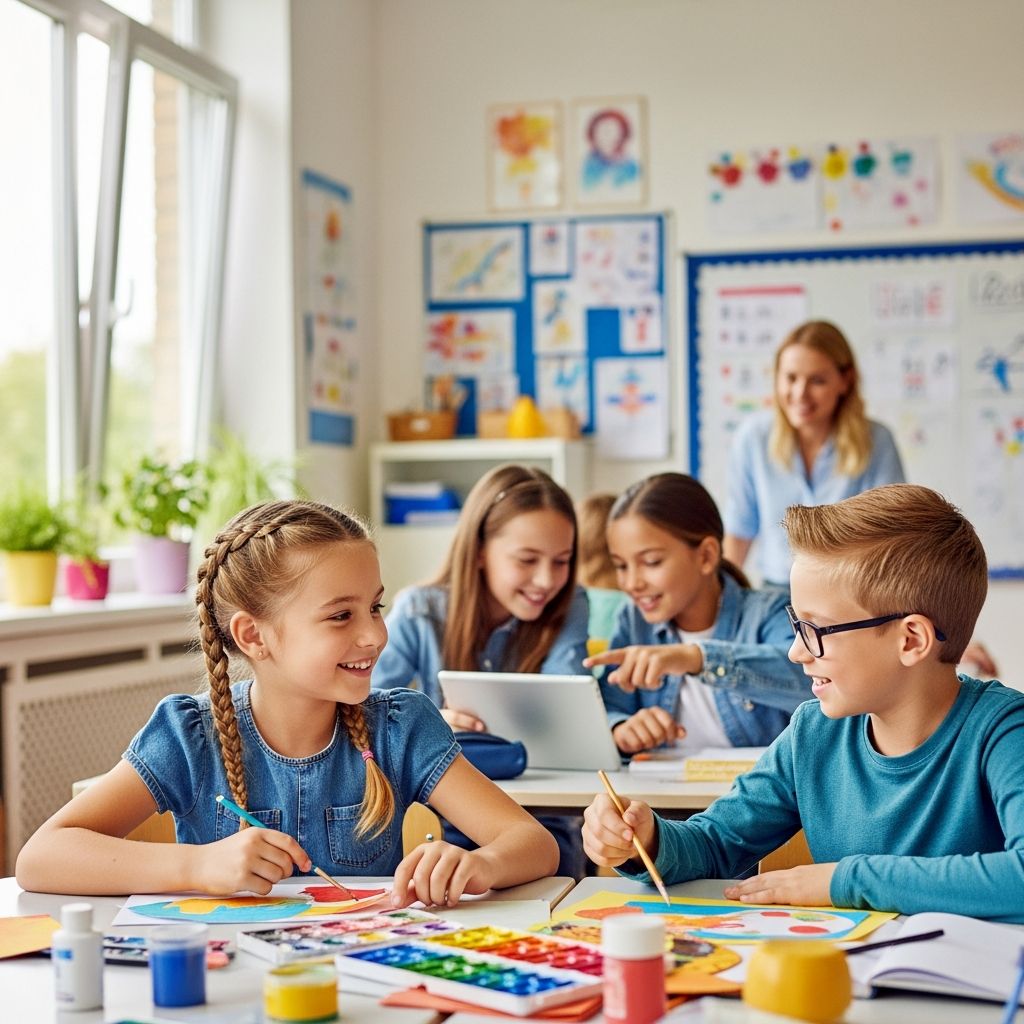
Structured daily updates at the start of the school day serve as a powerful tool for educators to cultivate a sense of unity and purpose among students. These sessions go beyond mere information sharing, acting as a foundation for emotional connections, shared goals, and mutual respect that propel both individual growth and collective achievement.
The Foundation of Unity in Learning Spaces
A cohesive learning environment begins with routines that make every student feel valued and integral to the group. Research highlights that when learners perceive themselves as part of a supportive network, they exhibit higher levels of participation and persistence in their studies. Daily updates provide a consistent platform where voices are heard, experiences are shared, and common objectives are reinforced, mirroring the attributes of thriving communities where trust and collaboration flourish.
Educators who prioritize these openings report noticeable shifts in classroom dynamics. Students become more invested in group tasks, demonstrate greater empathy toward peers, and approach challenges with resilience. This sense of belonging directly correlates with improved social-emotional competencies, enabling learners to navigate interpersonal complexities with confidence.
Establishing Shared Values Through Group Input
One effective approach involves collaboratively developing guiding principles during initial sessions. By inviting student contributions, teachers empower participants to shape their environment, instilling ownership and accountability from day one. Affirmative statements like “We support each other’s ideas” or “We celebrate progress together” emerge naturally, creating a framework that resonates with young minds.
These co-authored guidelines are revisited regularly through reflective discussions, allowing the group to address infractions empathetically and reinforce positive behaviors. Such practices not only teach self-regulation but also model perspective-taking, essential skills for lifelong interpersonal success.
- Encourage broad participation to ensure diverse viewpoints.
- Use simple, positive language for accessibility.
- Display guidelines visibly for ongoing reference.
- Integrate real-life examples to illustrate applications.
Cultivating Personal Connections Early On
Building rapport starts with activities that reveal similarities and differences among students. Short sharing rounds during updates—such as “one fun fact about my weekend” or “a goal for today”—spark curiosity and lay groundwork for deeper relationships. These moments foster trust, making future collaborations smoother and more productive.
In diverse classrooms, these interactions bridge cultural gaps, promoting inclusivity. Teachers can facilitate by modeling vulnerability, sharing personal anecdotes that humanize their role and encourage reciprocity. Over time, this evolves into a network where students actively seek peer support.
Practical Formats for Engaging Starts
Variety keeps sessions dynamic and inclusive. Rotate formats weekly to maintain interest:
| Format | Description | Benefits |
|---|---|---|
| Spotlight Shares | One student per day highlights a talent or interest. | Builds confidence and appreciation for diversity. |
| Gratitude Circle | Quick thanks to peers or staff. | Enhances positivity and empathy. |
| Goal Alignment | Group sets daily class targets. | Fosters collective responsibility. |
| News Recap | Student-led summaries of events. | Develops public speaking and leadership. |
These methods ensure every voice contributes, reducing isolation and amplifying engagement across modalities, from in-person to virtual settings.
Boosting Participation and Motivation
Daily updates significantly elevate attendance and involvement. When students anticipate meaningful starts, they arrive eager and attentive. Studies link this sense of community to heightened cognitive presence, where learners construct knowledge collaboratively.
Instructors note fewer disruptions as shared rituals promote courtesy and focus. For multilingual or neurodiverse groups, visual aids and paired sharing accommodate varying needs, ensuring equity.
Addressing Challenges Proactively
Not every session flows perfectly. Initial shyness or off-topic drifts can occur. Counter this by setting clear time limits (5-10 minutes) and gentle prompts. If conflicts arise, use them as teachable moments, guiding resolutions that align with class principles.
For larger classes, small-group rotations prevent overload. Adapt for remote learning with digital tools like shared slides or polls, maintaining the communal spirit.
Long-Term Academic Advantages
The ripple effects extend to core subjects. Collaborative climates enhance peer tutoring in math or literature discussions, deepening understanding. Positive climates correlate with better retention and satisfaction, as connectedness spurs out-of-class study groups.
- Improved problem-solving through team reliance.
- Heightened resilience from supportive feedback.
- Sustained motivation via recognized achievements.
Integrating Technology Thoughtfully
Digital enhancements amplify reach without overshadowing personal ties. Pre-recorded segments for absent students or interactive apps for shoutouts extend community boundaries. However, balance screens with face-to-face elements to preserve authenticity.
Fostering Inclusivity Every Day
Purposefully include marginalized voices through assigned roles or buddy systems. Celebrate multicultural holidays in updates to validate backgrounds, creating a tapestry of belonging.
Measuring Progress and Adapting
Track impact via anonymous surveys: “Do you feel supported?” Adjust based on feedback, ensuring the routine evolves with the group. Observable metrics like participation rates validate efficacy.
Frequently Asked Questions
How long should daily updates last?
Keep them to 5-10 minutes to maintain attention while covering essentials.
Can this work in online classes?
Yes, use video calls, chat polls, and shared documents for seamless adaptation.
What if students resist sharing?
Start with low-stakes prompts and model participation to build comfort gradually.
Does this improve behavior?
Absolutely; shared ownership reduces issues by promoting empathy and accountability.
How to involve parents?
Share session highlights via newsletters, inviting home reinforcement.
References
- Back to School: Why Creating Classroom Community is So Important — NAEYC. 2023-08-15. https://www.naeyc.org/resources/blog/why-creating-classroom-community-so-important
- Building a Thriving Classroom Community – “Bond & Beyond” — Faculty Focus. 2022-09-12. https://www.facultyfocus.com/articles/effective-classroom-management/building-a-thriving-classroom-community-bond-and-beyond/
- Community Building in the Classroom — Columbia CTL. 2023-01-10. https://ctl.columbia.edu/resources-and-technology/teaching-with-technology/teaching-online/community-building/
- How Community Building Activities Promote a Healthy Learning Environment — Positive Action. 2024-02-20. https://www.positiveaction.net/blog/community-building-activities
- Importance of Classroom Community — HMH Co. 2023-05-05. https://www.hmhco.com/blog/importance-of-classroom-community
- Building Community — Harvard GSE Instructional Moves. 2022-11-18. https://instructionalmoves.gse.harvard.edu/building-community
- Building Community — Western University CTL. 2024-03-01. https://teaching.uwo.ca/teaching/engaging/building-community.html

Medha Deb is an editor with a master's degree in Applied Linguistics from the University of Hyderabad. She believes that her qualification has helped her develop a deep understanding of language and its application in various contexts. Medha specializes in the areas of beauty, health, sports, and wellness and is committed to ensuring that the content on the website is…