
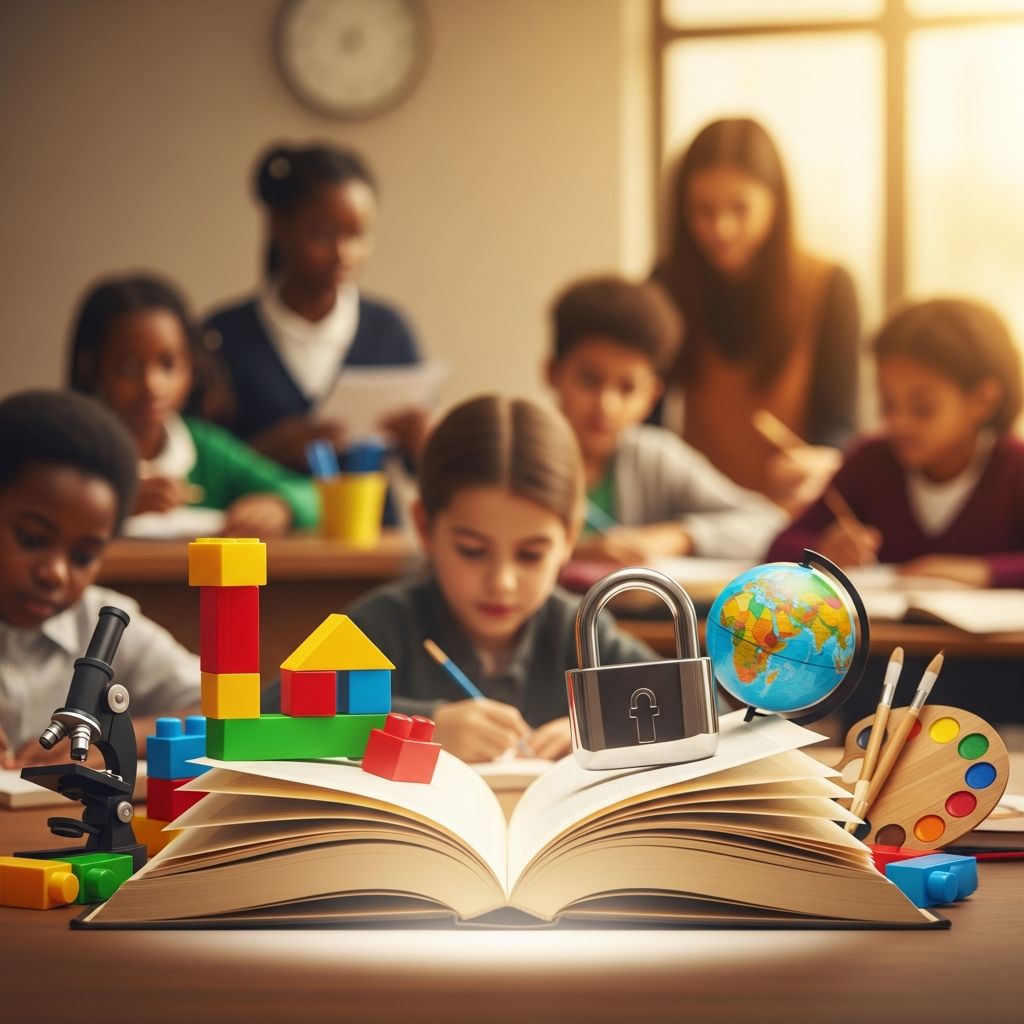
Differentiated instruction transforms classrooms by customizing teaching to individual student needs, fostering equity and maximizing potential. This approach recognizes diverse readiness levels, interests, and learning profiles, ensuring no learner is left behind.
Understanding the Foundations of Effective Differentiation
At its core, differentiation involves adjusting content, processes, products, and learning environments to suit varied learners. Research highlights its role in preventing knowledge gaps, developing student abilities, and optimizing study time. Teachers assess readiness through benchmarks and formative checks, then adapt accordingly.
Flexible strategies like grouping by skill or interest promote collaborative growth. Continuous assessment drives adjustments, making instruction responsive rather than one-size-fits-all.
Building a Responsive Classroom Environment
A supportive learning space is essential for differentiation success. This includes varied seating, quiet zones for focus, and collaborative areas for group work. Programs often provide digital tools like virtual labs and interactives to accommodate preferences.
- Offer multiple input methods: readings, videos, audio, and hands-on activities.
- Use data trackers aligned with standards to monitor progress.
- Incorporate sensory elements, targeting visual, auditory, and kinesthetic learners.
These elements create an inclusive atmosphere where students feel empowered to engage at their level.
Key Strategies for Tailoring Content Delivery
Adapting content ensures accessibility. Teachers tier materials by complexity, providing remediation for struggling students and enrichment for advanced ones.
| Strategy | Readiness Focus | Interest Focus | Learning Profile Focus |
|---|---|---|---|
| Tiered Activities | Basic to advanced tasks | Topic choices | Varied formats |
| Varied Materials | Simplified texts | Real-world examples | Multimedia options |
| Scaffolding Tools | Graphic organizers | Personalized prompts | Visual aids |
Before lessons, activate prior knowledge with KWL charts or vocabulary previews. During activities, encourage mental imagery and comprehension checks.
Flexible Grouping: The Power of Intentional Teams
Strategic grouping differentiates effectively, especially in project-based learning (PBL). Heterogeneous teams mix abilities for peer support, while homogeneous ones target specific needs like reading levels.
Consider purposes: academic readiness, collaboration skills, social-emotional growth, or passions. In science, vary inquiry levels—guided for beginners, open-ended for experts.
- Whole-class for introductions.
- Small groups for targeted practice.
- Independent for self-paced mastery.
Groups shift dynamically based on goals, promoting flexibility.
Personalizing the Learning Process
Differentiate processes through mini-lessons, centers, and choice boards. Students access resources like videos or games matching their pace. Reflection and goal-setting build ownership.
In PBL, offer voice in products: presentations, models, skits, or investigations. Digital platforms enable editable labs and STEM challenges.
Learning contracts outline personalized goals, while compacting skips known content for deeper exploration.
Assessing and Demonstrating Mastery Diversely
Products reveal understanding beyond tests. Options include portfolios, peer teaching, or creative projects. Formative assessments guide remediation or enrichment.
Tier assessments: basic recall for some, analysis for others. Use rubrics clarifying expectations across levels.
Practical Implementation in Core Subjects
Science Classrooms
Adjust content volume and difficulty using teacher guides. Differentiate labs by guidance: structured, semi-guided, or exploratory.
Project-Based Units
Incorporate teams, choice, and centers. Students reflect weekly, setting goals.
General K-12 Application
Across subjects, use task cards, stations, and interviews to gauge needs.
Overcoming Common Challenges
Differentiation demands planning, but tools like data systems streamline it. Start small: one strategy per unit. Professional development enhances skills. Critics note tracking risks, yet evidence shows benefits outweigh when done thoughtfully.
Frequently Asked Questions (FAQs)
What is differentiated instruction?
A student-centered method tailoring teaching to readiness, interests, and profiles via content, process, product, and environment adjustments.
How do I start differentiating?
Assess students, then tier content and group flexibly. Use available resources for variety.
Does differentiation work in large classes?
Yes, with stations, digital tools, and peer support. Flexible grouping manages scale.
What tools support differentiation?
Curriculum with remediation/enrichment, data trackers, multimedia, and editable activities.
Can it improve outcomes?
Absolutely—it boosts engagement, reduces gaps, and personalizes learning.
Advanced Techniques for Seasoned Educators
For deeper impact, integrate multiple intelligences: linguistic tasks for verbal learners, spatial for visual. Embed universal design for learning (UDL) principles, offering multiple means of representation, engagement, and expression.
Experiment with learning menus: appetizers (must-dos), entrees (core), desserts (enrichment). Track efficacy via pre/post assessments.
Incorporate technology: adaptive platforms auto-adjust difficulty. Foster growth mindset by framing differentiation as strength-building.
Case Studies: Real-World Success
In a middle school science class, tiered inquiry labs raised proficiency by 25%. PBL teams in language arts improved collaboration scores. Elementary teachers using centers saw engagement soar.
These examples underscore scalable, evidence-based wins.
Differentiation evolves teaching into a dynamic, equitable practice. By prioritizing student variability, educators unlock universal success.
References
- How to Differentiate for Success in the Science Classroom — Savvas. 2021-01-01. https://www.savvas.com/resource-center/blogs-and-podcasts/fresh-ideas-for-teaching/multi-discipline/2021/how-to-differentiate-for-success-in-the-science-classroom
- 6 Strategies for Differentiated Instruction in Project-Based Learning — Edutopia. N/A. https://www.edutopia.org/blog/differentiated-instruction-strategies-pbl-andrew-miller
- What Does Successful Differentiated Instruction Look Like? — Education Week. 2023-11-01. https://www.edweek.org/teaching-learning/opinion-what-does-successful-differentiated-instruction-look-like-in-the-classroom/2023/11
- Differentiation approach in education: Tailoring instruction for diverse learners — PMC (Vanderbilt Peabody). 2024-01-01. https://pmc.ncbi.nlm.nih.gov/articles/PMC11786651/
- Differentiate Content — IRIS Peabody Vanderbilt (.edu). N/A. https://iris.peabody.vanderbilt.edu/module/di/cresource/q2/p05/

- Integrated M.A. in Applied Linguistics, University of Hyderabad
- 5+ years in editorial, instructional, SEO, and research-based writing
Sneha is a relationships and lifestyle writer with a strong foundation in applied linguistics and certified training in relationship coaching. She brings over five years of writing experience to theskillvault, crafting thoughtful, research-driven content that empowers readers to build healthier relationships, boost emotional well-being, and embrace holistic living. Her writing and insights reflect the belief that beauty, happiness, and wellness…