
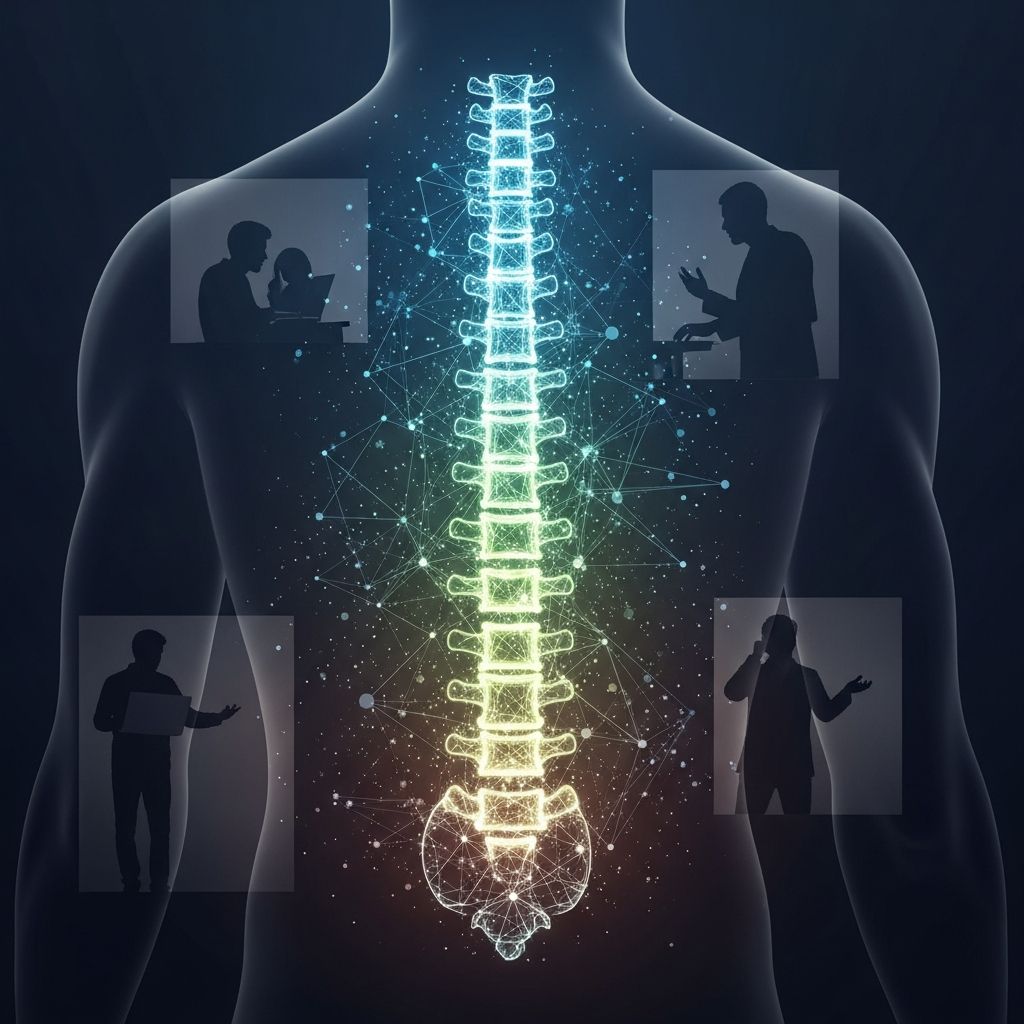
Coaching has evolved from a niche executive perk to a strategic lever for culture, performance, and wellbeing. As organizations navigate rapid change, hybrid work, and mounting pressure on leaders, digital coaching has become one of the most versatile tools in the HR and L&D toolkit.
This article explores how digital coaching supports leadership, innovation, wellbeing, and team performance, and how organizations can design programs that are both human-centered and data-driven.
Why Coaching Matters More Than Ever
Coaching is fundamentally about enabling people to think differently, act with intention, and sustain meaningful behavior change. In organizational settings, that translates into better decisions, healthier teams, and more resilient cultures.
- Uncertain markets demand leaders who can adapt quickly and lead through ambiguity.
- Hybrid work requires new skills for communication, psychological safety, and collaboration across distance.
- Mental health concerns have risen globally, and organizations are expected to play an active role in supporting wellbeing.
- Continuous disruption forces companies to build learning cultures instead of relying on one-off training events.
Traditional classroom learning alone rarely produces sustained behavior change. Research in adult learning and leadership development shows that change is more likely when learning is spaced over time, contextualized to real work, and supported by reflection and feedback. Coaching naturally provides these conditions.
The Shift to Digital Coaching
Digital coaching uses technology to deliver coaching at scale while preserving the depth of a one-to-one human relationship. It combines professional coaches, secure platforms, analytics, and often AI-supported tools to make coaching more accessible and measurable.
Key characteristics of digital coaching
- Anywhere access: Sessions happen via video, audio, or chat, making it easier for global, hybrid, and shift-based workforces to participate.
- Scalability: Platforms allow hundreds or thousands of employees to access coaching, far beyond traditional executive-only models.
- Data and insight: Aggregated, anonymized data helps HR and business leaders understand trends in needs, engagement, and progress.
- Personalization: Matching algorithms, assessments, and structured frameworks tailor journeys to individual roles, goals, and contexts.
| Traditional Coaching | Digital Coaching |
|---|---|
| Limited to senior leaders | Accessible across levels and functions |
| Manual matching and scheduling | Platform-based matching, self-service scheduling |
| Impact hard to quantify | Dashboards, engagement data, and outcome metrics |
| Standalone development activity | Integrated with learning ecosystems and HR systems |
Personalized Coaching Journeys That Align With Strategy
Personalization is more than a buzzword; it is central to behavior change. People differ in motivation, readiness, background, and learning preferences. Effective coaching programs reflect that diversity while still aligning with organizational priorities.
Designing with both individual and business needs in mind
Robust digital coaching programs usually balance three dimensions:
- Core capabilities: Skills and mindsets every leader or employee should strengthen (for example, self-awareness, feedback, resilience).
- Role- or level-specific outcomes: Focus areas adapted to the reality of emerging leaders, middle managers, or executives.
- Strategic priorities: Topics that directly support current business goals such as transformation, inclusion, or innovation.
Assessments, 360-degree feedback, or manager input can help identify the right mix of focus areas for each participant while keeping the program anchored in shared objectives.
Leadership Coaching in a Volatile World
Leadership roles have become more complex: leaders are expected to deliver results, support wellbeing, manage change, and model inclusive behavior. Coaching offers a safe space to process pressure while experimenting with new approaches.
Common leadership outcomes of digital coaching
- Strategic thinking: Seeing beyond daily operations to anticipate trends and make trade-offs.
- Change leadership: Communicating a compelling narrative for change, addressing resistance, and sustaining momentum.
- Inclusive leadership: Creating psychological safety, mitigating bias, and ensuring diverse voices are heard.
- Self-management: Regulating stress, setting boundaries, and modeling sustainable work habits.
Executive and senior leader coaching frequently pairs qualitative goals (for example, being perceived as more collaborative) with quantitative indicators such as engagement scores, retention of key talent, or progress on transformation milestones.
Coaching as a Catalyst for Innovation and Change
Innovation and strategic change are often treated as technical challenges, but they are primarily human ones: they depend on mindset, collaboration, and the willingness to experiment.
How coaching supports innovation
- Reframing risk: Encouraging leaders and teams to see failure as learning and to test ideas in small, low-risk ways.
- Challenging assumptions: Coaches use questioning to surface blind spots and entrenched ways of thinking that limit creativity.
- Storytelling for influence: Coaching helps leaders craft narratives that connect innovation efforts to purpose and values.
Driving strategic change through coaching
Large-scale change—such as a digital transformation or operating model redesign—often stalls when middle managers feel overwhelmed or underprepared. Digital coaching can be targeted at these pivotal roles to:
- Clarify what the change means for their teams and decisions.
- Build confidence to lead difficult conversations and address resistance.
- Translate high-level strategy into practical actions and rituals.
Organizations that combine coaching with other change levers (communications, training, incentives) are better positioned to sustain new behaviors rather than slipping back into old patterns.
Wellbeing, Psychological Safety, and Resilience
Employees increasingly expect employers to support mental health and work-life balance. At the same time, organizations must respect boundaries and avoid turning coaching into therapy. Digital coaching can occupy a powerful middle ground focused on work-related wellbeing.
Coaching’s role in mental health and psychological safety
- Stress management: Coaches help individuals spot early signs of burnout, set priorities, and negotiate workload more effectively.
- Healthy boundaries: Many coachees work on saying no, delegating, and designing recovery routines.
- Psychological safety in teams: Leaders can explore how to respond to mistakes, encourage dissenting opinions, and address incivility.
Evidence suggests that workplaces with high psychological safety have better learning, innovation, and performance outcomes. Coaching helps leaders understand their role in creating such environments—how their behavior, communication style, and decisions impact the safety others feel.
From Individuals to Teams: The Power of Group and Team Coaching
While one-to-one coaching focuses on personal growth, group and team coaching bring people together to learn collectively and improve how they work as a unit.
Team coaching for performance and cohesion
- Clarifying purpose: Aligning on why the team exists and what success looks like.
- Improving collaboration: Surfacing unspoken tensions, clarifying roles, and agreeing on norms.
- Building trust: Using structured reflection and feedback to increase openness and reliability.
Digital platforms allow teams across geographies to participate in facilitated sessions, share reflections asynchronously, and track agreed actions over time.
Peer and group coaching for learning cultures
Peer coaching circles, often supported by professional coaches, can reinforce a culture of shared responsibility for learning. Typical benefits include:
- Exposure to diverse perspectives on similar challenges.
- Development of coaching and feedback skills among participants.
- Reduced isolation for new managers or specialists in niche roles.
Measuring Impact: From Feel-Good to Evidence-Based
As coaching grows, so does the expectation that it demonstrates tangible value. Measurement in coaching should be thoughtful: enough data to inform decisions, without undermining confidentiality or turning coaching into a surveillance tool.
Common dimensions for evaluating coaching
- Engagement: Enrollment, attendance, and completion rates for coaching journeys.
- Self-reported growth: Participants’ ratings of progress on focus areas such as resilience, confidence, or strategic thinking.
- Behavioral indicators: Feedback from managers or peers, changes in 360-degree assessments.
- Business metrics: Where appropriate, correlation with outcomes such as reduced turnover, improved engagement scores, or project delivery success.
Because many benefits of coaching are long-term and qualitative, organizations often combine quantitative data with case studies and stories to understand impact more fully.
Integrating AI and Analytics Without Losing the Human Core
Artificial intelligence and advanced analytics are increasingly embedded in digital coaching platforms. Used thoughtfully, they enhance rather than replace the coach–coachee relationship.
Where AI adds value
- Coach matching: Algorithms consider language, experience, and preferences to improve the likelihood of a strong fit.
- Personalized recommendations: Suggestions for reflection prompts, micro-learning content, or exercises between sessions.
- Program insights: Aggregated analysis of themes and sentiment to help HR leaders spot emerging needs earlier.
Ethical use of AI is critical: organizations must be transparent about data use, guard against bias, and ensure that sensitive personal information remains confidential.
Building a Future-Ready Coaching Strategy
To turn coaching from a scattered set of initiatives into a strategic capability, HR and L&D leaders can take a system-wide view.
Practical steps for organizations
- Clarify the purpose: Define what coaching should achieve in the next 2–3 years—stronger leadership pipeline, healthier managers, more effective change, or all of the above.
- Segment your audiences: Identify priority groups such as new managers, high-potential talent, or leaders of critical transformation projects.
- Integrate with existing programs: Align coaching with leadership curricula, performance processes, and wellbeing initiatives so they reinforce one another.
- Invest in communication: Explain why coaching is offered, who is eligible, how confidentiality works, and how success will be evaluated.
- Start measurable pilots: Launch focused pilots with clear goals, then refine and scale based on evidence.
Frequently Asked Questions (FAQs)
Q: How is coaching different from mentoring or training?
Coaching focuses on helping individuals find their own answers through questioning, reflection, and experimentation. Mentoring is typically advice-driven and based on the mentor’s experience. Training aims to transfer specific knowledge or skills to a group in a structured format.
Q: Who should receive digital coaching in an organization?
Many organizations start with leaders and managers in pivotal roles—such as those leading teams, projects, or change efforts—and then extend coaching to broader populations including emerging talent or employees facing high-pressure roles.
Q: How long does a typical coaching journey last?
Programs vary, but many digital coaching journeys run for 3 to 9 months, with sessions every 2–4 weeks and reflection or exercises between meetings. Shorter, targeted sprints may be used for specific challenges.
Q: Can coaching address mental health problems?
Coaching can support work-related wellbeing—such as stress management or boundary setting—but it is not a substitute for clinical care. Organizations should clearly distinguish between coaching and therapy and provide access to professional mental health services when needed.
Q: How do we ensure confidentiality and trust in digital coaching?
Trust depends on clear boundaries. Coachees should know exactly what data is collected, who can see it, and how insights are aggregated. Reputable providers separate individual session content from anonymized program reporting and comply with data protection standards.
References
- World Mental Health Report 2022 — World Health Organization. 2022-06-16. https://www.who.int/publications/i/item/9789240049338
- Guidance: Mental health in the workplace — UK Health and Safety Executive. 2023-05-10. https://www.hse.gov.uk/stress/mental-health.htm
- Global Human Capital Trends: The Social Enterprise at Work — Deloitte Insights. 2019-04-11. https://www2.deloitte.com/us/en/insights/focus/human-capital-trends.html
- The fearless organization: Creating psychological safety in the workplace for learning, innovation, and growth — Amy C. Edmondson, Wiley. 2018-11-20. https://onlinelibrary.wiley.com/doi/book/10.1002/9781119477242
- Ethics Guidelines for Trustworthy AI — European Commission High-Level Expert Group on AI. 2019-04-08. https://digital-strategy.ec.europa.eu/en/library/ethics-guidelines-trustworthy-ai

- Integrated M.A. in Applied Linguistics, University of Hyderabad
- 5+ years in editorial, instructional, SEO, and research-based writing
Sneha is a relationships and lifestyle writer with a strong foundation in applied linguistics and certified training in relationship coaching. She brings over five years of writing experience to theskillvault, crafting thoughtful, research-driven content that empowers readers to build healthier relationships, boost emotional well-being, and embrace holistic living. Her writing and insights reflect the belief that beauty, happiness, and wellness…