
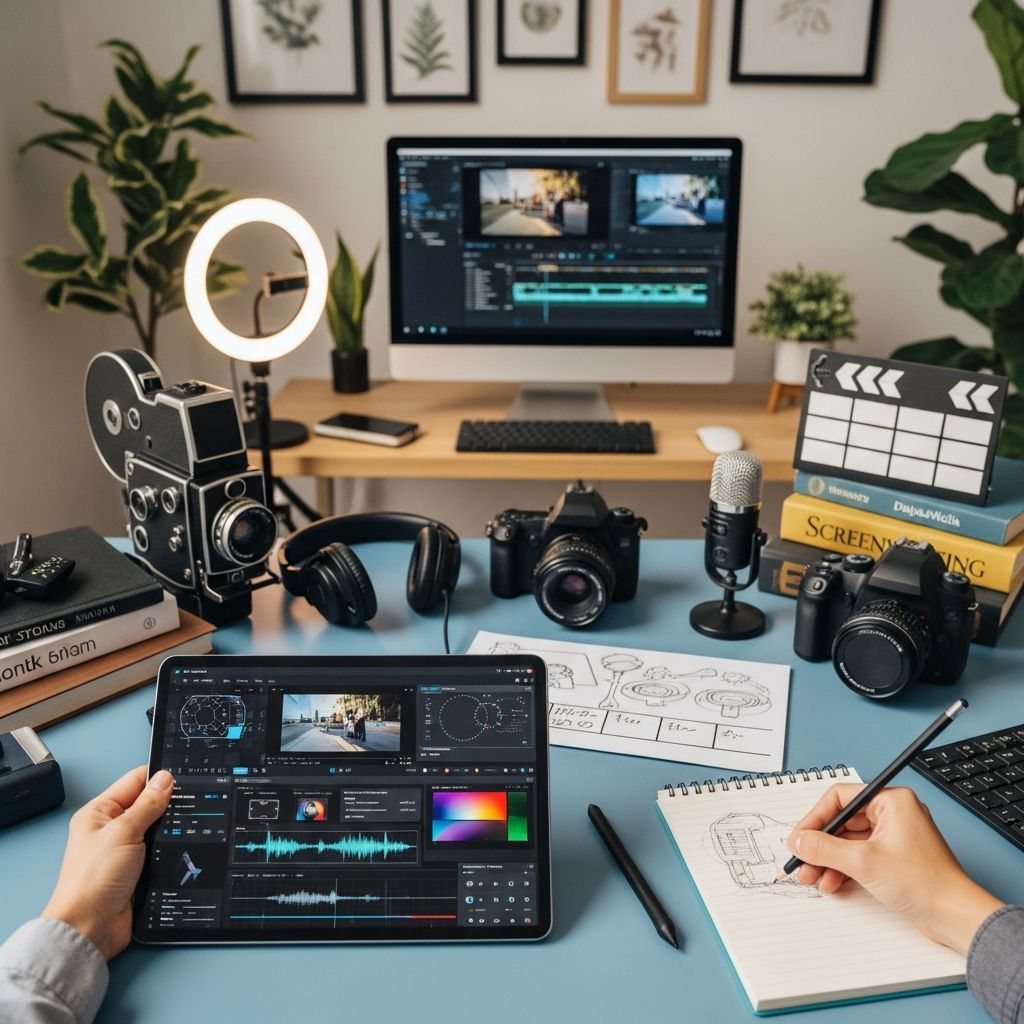
Behind every online brand, social feed, and thoughtful article is a person who loves words, culture, and the internet enough to turn that fascination into a career. This article explores how a modern writer can build a flexible, creative life in digital storytelling—from first sparks of inspiration to pitching clients, working remotely, and staying creatively awake.
From Childhood Curiosity to Career Direction
Most people who end up in writing and media can trace their path back to a mix of curiosity and creativity. The early signs are often small but undeniable:
- Filling notebooks with stories, observations, or diary entries
- Spending more time in the library or online than anywhere else
- Asking constant questions about how people think, behave, and connect
- Feeling drawn to music, fashion, art, or cultural trends
Over time, these interests can evolve into clear themes: a love of language, an obsession with media, and a desire to understand what captures people’s attention. Those themes are the raw material of a digital storytelling career.
Key Influences that Shape Creative Paths
Writers and content creators are often shaped by a blend of influences rather than a single turning point. Common sources of inspiration include:
- Books and magazines: Narrative structure, voice, and style become visible and imitable.
- Music and subcultures: Lyrics, aesthetics, and online fandom teach community, tone, and identity.
- Early internet experiences: Blogs, forums, and social platforms provide models for personal voice at scale.
- Journalism and essays: Longform pieces demonstrate how to connect personal experience with wider social questions.
In many cases, the intersection of these influences pushes someone toward degrees or self-study in fields like media studies, journalism, communications, or cultural studies. These paths provide both critical frameworks and practical tools for writing in a digital world.
What Digital Storytellers Actually Do
Today, a creative career in storytelling rarely looks like only writing novels or print articles. It usually spans multiple formats and roles. Common work areas include:
- Editorial content: Articles, interviews, guides, and opinion pieces for online publications and brands.
- Brand storytelling: Website copy, brand voice guidelines, email campaigns, and campaign messaging.
- Social media content: Captions, scripts, post concepts, and entire content calendars across platforms.
- Thought leadership: Ghostwriting for founders and leaders in essays, newsletters, or LinkedIn posts.
- Content strategy: Planning topics, structures, and formats to meet user needs and business goals.
Across all of these, the core skill is the same: using words to connect ideas, people, and products in a way that feels human, relevant, and honest.
Typical Weekly Mix of Work
| Work Type | Examples | Primary Focus |
|---|---|---|
| Deep Work Writing | Longform articles, landing pages, in-depth interviews | Clarity, structure, narrative |
| Short-Form Content | Social posts, newsletter blurbs, microcopy | Voice, punchy hooks, brevity |
| Research & Interviews | Source calls, desk research, trend scanning | Accuracy, context, originality |
| Collaboration | Client calls, editorial meetings, feedback reviews | Alignment, troubleshooting, relationship-building |
| Planning & Admin | Outlines, invoices, content calendars | Organization, time management |
Skills that Matter in Digital Storytelling
Being “good with words” is only one piece of the puzzle. A sustainable creative career in the digital space usually rests on a blend of artistic, technical, and interpersonal skills.
Core Creative Skills
- Voice and tone control: Adapting your writing style to match a brand, publication, or persona without losing clarity.
- Story structure: Knowing how to open, develop, and close a piece so readers stay with you.
- Detail and specificity: Choosing vivid, concrete details that make content feel real and trustworthy.
- Revision discipline: Rewriting for clarity, trimming unnecessary words, and strengthening weak arguments.
Digital and Strategic Skills
- SEO foundations: Understanding how keywords, headings, and meta descriptions help readers and search engines find your work.
- Analytics awareness: Paying attention to what content resonates and why, using metrics as feedback rather than judgment.
- Platform fluency: Knowing how different platforms (blogs, newsletters, social apps) shape length, tone, and format.
- Content structure: Using headings, bullet points, and short paragraphs to keep online content skimmable and readable.
Human and Career Skills
- Curiosity: A constant drive to learn about new industries, tools, and cultural shifts.
- Client communication: Asking good questions, clarifying expectations, and explaining creative decisions.
- Self-direction: Managing time, setting boundaries, and prioritizing projects without a traditional office structure.
- Resilience: Handling edits, rejections, and shifting algorithms without burning out.
Working Life: Inside a Flexible Creative Career
One of the defining traits of many digital storytelling careers is flexibility. Many writers and content creators split their time between:
- Freelance client work
- Part-time roles with media or brand teams
- Personal projects (newsletters, zines, essays, podcasts)
- Passion work in adjacent fields like music, fashion, or community organizing
This mix can be challenging but also rewarding, allowing a person to pay the bills while exploring their own creative voice.
Remote and Hybrid Work Rhythms
Digital media roles are often remote-friendly, which changes how workdays look. Common practices include:
- Starting the morning with research or reading to spark ideas
- Blocking out “deep work” hours for complex writing tasks
- Scheduling meetings and calls in specific windows to protect focus
- Taking mid-day breaks for walks, exercise, or creative resets
Working from home or from different locations can improve autonomy, but it also requires intentional routines to avoid distraction and isolation.
Finding Work: Building a Portfolio and Pitching
Digital storytelling careers usually grow piece by piece rather than through a single big break. Over time, a creator might assemble a mix of bylines, case studies, and personal projects that demonstrate their range.
Elements of a Strong Portfolio
- Range of formats: Articles, landing pages, social content, and email sequences.
- Clear outcomes: When possible, include metrics, testimonials, or qualitative feedback.
- Personal projects: Essays, blogs, or zines that show your unfiltered voice and curiosity.
- Updated links: Because digital platforms change, it helps to save PDFs or screenshots of your best work.
Pitching and Relationship-Building
Work often arrives through a combination of pitching and referrals. Sustainable pitching habits include:
- Researching each publication or brand’s voice, audience, and recent topics
- Sending concise, tailored pitches that clearly state the idea and angle
- Following up politely after reasonable timeframes
- Staying in touch with editors and clients through occasional updates or new ideas
As relationships deepen, one-off projects may evolve into ongoing collaborations, retainer agreements, or part-time roles—adding stability without sacrificing creative variety.
Balancing Creative Work with Life
Because digital storytelling often overlaps with personal interests, the line between work and life can blur. Maintaining a sustainable career means actively tending to both creative energy and overall wellbeing.
Protecting Your Creative Energy
- Setting boundaries: Clear stop times, screen breaks, and days off from social media.
- Non-digital hobbies: Reading print, making art by hand, cooking, or walking without headphones.
- Community: Sharing struggles and wins with other creatives instead of competing in silence.
- Rest: Prioritizing sleep and downtime, which research consistently links to cognitive performance and creativity.
Money, Flexibility, and Security
Choosing a creative career often involves ongoing negotiation between financial stability and autonomy. Many digital storytellers manage this by:
- Maintaining a baseline of recurring work (retainers or part-time roles)
- Taking on shorter, higher-intensity projects when bandwidth allows
- Creating separate savings for taxes and slow periods
- Gradually increasing rates as skill, demand, and impact grow
Over time, this combination can support both security and experimentation—making it possible to say yes to surprising, creatively rich opportunities.
How SEO and Structure Support Creative Work
Search engine optimization (SEO) might feel technical, but for digital storytellers it is ultimately about helping the right people find the right words at the right time. Modern best practices emphasize user value, clarity, and structure rather than tricks.
Why Structure Matters Online
- Heading hierarchy (H1, H2, H3) guides both readers and search engines through the logic of your content.
- Short paragraphs and lists make information easier to scan and understand on screens.
- Clear meta descriptions summarize the main benefit of an article to encourage clicks from search results.
- Descriptive URLs and titles increase both clarity and discoverability.
SEO-oriented structure does not replace artistry; it simply creates a frame that supports comprehension and discoverability.
Writing for Humans First
Authoritative guides emphasize that content should be written for real people, not algorithms. Effective digital storytellers:
- Use keywords naturally rather than stuffing them into every sentence
- Focus on answering the reader’s actual questions and needs
- Balance depth with readability, avoiding unnecessary jargon or complexity
- Ensure originality instead of copying existing content, even when covering popular topics.
This approach allows creative voice and practical value to coexist—and increases the chances that work will be shared, bookmarked, and revisited.
Staying Inspired in a Fast-Moving Internet
Digital storytelling exists in an environment of constant change: new platforms, shifting cultural conversations, and evolving algorithms. Staying inspired requires both input and intentional perspective.
Sources of Ongoing Inspiration
- Longform journalism for depth and narrative technique
- Independent newsletters for intimate, experimental voices
- Podcasts and interviews to hear how other creatives think and work
- Offline culture—galleries, shows, local events—that never trends on social media
Equally important is giving yourself permission to step away from constant posting or scrolling. Creativity often refills in the quiet, not in the feed.
Frequently Asked Questions (FAQs)
Q: Do I need a degree in writing or media to work in digital storytelling?
A: Not necessarily. While degrees in journalism, communications, or media studies can help, many successful writers are self-taught through reading, online resources, practice, and feedback. A strong portfolio and clear voice often matter more than formal credentials.
Q: How can I get my first paid writing or content job?
A: Start by creating a small portfolio: write sample articles, case studies, or social content that reflects the kind of work you want. Reach out to small businesses, nonprofits, or online publications with tailored pitches, and be prepared to start with modest rates while you gain experience and testimonials.
Q: How important is SEO for creative writers?
A: Basic SEO knowledge is valuable because it helps your work reach more people and aligns with how readers search online. Focus on fundamentals—clear structure, relevant keywords, and descriptive titles—while still prioritizing voice, accuracy, and storytelling.
Q: Can I combine freelance work with a part-time role?
A: Yes. Many digital storytellers blend freelance projects with part-time or contract roles to balance income stability and creative flexibility. The key is honest communication about capacity and boundaries with each client or employer.
Q: What if I feel burned out from social media and constant content?
A: Burnout is common in digital work. Consider limiting your time on high-noise platforms, building routines that include offline activities, and focusing on fewer, more meaningful projects. Rest, boundaries, and community support are all part of a sustainable creative career.
References
- SEO Starter Guide: The Basics — Google Search Central. 2024-01-10. https://developers.google.com/search/docs/fundamentals/seo-starter-guide
- Content Optimization — The Ohio State University, Office of Marketing & Communications. 2023-06-15. https://omc.osu.edu/publications/osu-websites/seo/content
- The 2026 Guide to Writing an SEO Optimized Article — PubPower Blog. 2024-11-05. https://pubpower.io/blog/seo-optimized-article-guide/
- SEO-Optimized Article Structure: Perfect Headings for 2025 — Golden Owl Digital. 2024-07-20. https://goldenowl.digital/blog/seo-optimized-article-structure-perfect-headings/
- SEO Writing Guide: 10 Golden Rules For Creating Optimized Content — Brillity Digital. 2024-03-18. https://brillitydigital.com/blog/seo-writing-guide-10-golden-rules-for-creating-optimized-content/
- How to Write SEO Optimized Articles in 11 Steps — OMNIUS. 2025-02-12. https://www.omnius.so/blog/how-to-seo-optimize-an-article

- Integrated M.A. in Applied Linguistics, University of Hyderabad
- 5+ years in editorial, instructional, SEO, and research-based writing
Sneha is a relationships and lifestyle writer with a strong foundation in applied linguistics and certified training in relationship coaching. She brings over five years of writing experience to theskillvault, crafting thoughtful, research-driven content that empowers readers to build healthier relationships, boost emotional well-being, and embrace holistic living. Her writing and insights reflect the belief that beauty, happiness, and wellness…