
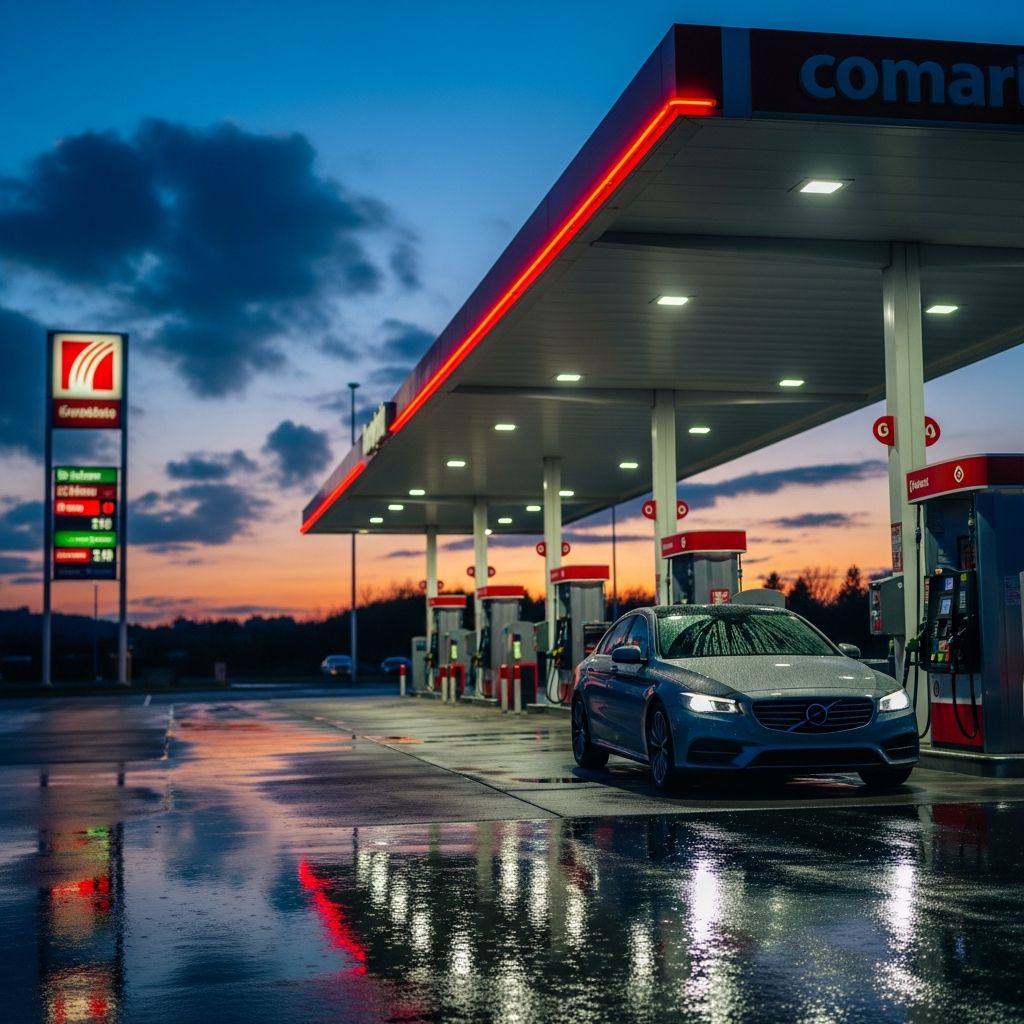
Selecting a gas station might seem trivial amid daily commutes, but subtle differences in fuel quality, station upkeep, and additives can influence engine efficiency, performance, and repair costs over time. While all U.S. gasoline meets federal standards for detergents and octane, variations in extra treatments and storage practices set premium outlets apart from budget ones.
Understanding Fuel Basics and Regulations
Gasoline in the United States must comply with Environmental Protection Agency (EPA) mandates, ensuring minimum detergent levels to prevent engine deposits. These rules stem from the 1995 reformulated gasoline program, expanded in 2004 to require detergents that maintain fuel injectors and intake valves clean. Despite this baseline, stations differ in exceeding these requirements.
Top Tier gasoline, a voluntary standard established in 2004 by automakers like GM, Toyota, and BMW, demands higher detergent concentrations—up to 2-3 times the EPA minimum. Brands committing to Top Tier, such as Chevron, Shell, and ExxonMobil, formulate fuels with proprietary additives that reduce carbon buildup and improve combustion efficiency.
- EPA Minimum Detergents: Prevent basic injector fouling but may allow gradual deposits in modern direct-injection engines.
- Top Tier Additives: Include friction modifiers and corrosion inhibitors for smoother operation and longevity.
- Ethanol Content: Typically E10 (10% ethanol), regulated for compatibility, though higher blends like E15 require specific approvals.
These standards ensure reliability, but real-world execution depends on supply chains and local practices.
Why Name-Brand Stations Often Outperform
Major chains source fuel from dedicated refineries and pipelines, incorporating branded additive packages during distribution. Independent stations, while accessing similar base gasoline via jobbers, might skip extra treatments to cut costs, relying solely on EPA-compliant minimums.
Research highlights performance gaps: vehicles using Top Tier fuel show 19 times fewer intake valve deposits after 100,000 miles compared to non-Top Tier, per AAA studies. This matters for high-compression engines prone to knocking or hesitation.
| Factor | Name-Brand (Top Tier) | Independent Stations |
|---|---|---|
| Detergent Levels | 2-3x EPA minimum | EPA minimum or less |
| Tank Filtration | Frequent changes, sensors | Variable, less consistent |
| Additive Packages | Proprietary blends | Generic or none |
| Engine Impact | Fewer deposits, better MPG | Potential buildup, rough idle |
Opting for Top Tier reduces risks like clogged fuel filters or catalytic converter failures, which can cost $1,000+ to repair.
Station Maintenance: The Hidden Quality Factor
Beyond branding, physical upkeep determines fuel purity. Underground tanks at high-volume stations turn over inventory quickly, minimizing staleness or contamination. Low-turnover sites risk water ingress from condensation or leaks, leading to phase separation in ethanol blends.
Quality indicators include clean pumps, recent filter replacements, and leak detection systems. Contamination, though rare (less than 0.1% of stations per industry estimates), causes misfires or check-engine lights. Video analyses from automotive experts note that pumps with extra filtration yield cleaner delivery.
- Look for well-lit lots and modern dispensers signaling investment in infrastructure.
- Avoid stations after heavy rains if drainage looks poor.
- High-traffic locations near highways often maintain fresher stock.
Consumer Priorities in Fueling Decisions
Surveys reveal price dominates (77% of drivers), followed by safety lighting (key for evening stops), perceived quality (48% priority), payment ease, and access flow. While pennies-per-gallon savings add up, they pale against $500 fuel-system services every 50,000 miles from subpar fuel.
Loyalty programs at majors like Shell or BP offset costs with points redeemable for discounts, effectively matching generic prices while ensuring quality.
Octane Ratings and Vehicle-Specific Needs
Regular (87), mid-grade (89), and premium (91-93) differ primarily in anti-knock properties, not base quality. Consult your owner’s manual: most sedans thrive on regular, but turbocharged or performance models demand premium to avoid detonation.
Using higher octane than required wastes money without benefits, but lower can trigger timing retard, hurting power and efficiency.
| Vehicle Type | Recommended Octane | Why It Matters |
|---|---|---|
| Economy Cars | 87 (Regular) | Cost-effective for daily driving |
| SUVs/Trucks | 87-89 | Balances load-hauling with efficiency |
| Performance/Sports | 91+ | Prevents knock in high-boost engines |
Long-Term Effects on Engine Health
Substandard fuel accelerates wear on injectors, pumps, and valves, especially in gasoline direct injection (GDI) systems common since 2010. Deposits reduce fuel atomization, dropping mileage by 2-4% and emissions compliance.
Hot climates exacerbate issues, as vapors increase sediment mobilization. Proactive choices yield dividends: Top Tier users report 10-15% fewer repairs in fleet data.
Cost-Benefit Analysis: Worth the Premium?
A 10-cent/gallon premium on 15 gallons costs $1.50 weekly, or $78 yearly. Contrast with a $300 injector cleaning biennially on cheap fuel—Top Tier pays for itself. Fuel economy gains (1-3%) further tip scales.
Practical Tips for Smarter Fueling
- Stick to Top Tier stations: Use the official TopTierGas.com locator for verified brands.
- Monitor for symptoms like pinging or hesitation; switch if persistent.
- Combine with maintenance: Fuel additives quarterly, filter swaps per schedule.
- Appraise station vibe: Cleanliness correlates with underground care.
- Leverage rewards: Apps track cheapest Top Tier nearby.
Frequently Asked Questions (FAQs)
Is cheaper gas lower quality?
Potentially yes—discount stations may skimp on detergents, risking deposits despite EPA compliance. Top Tier ensures superior protection.
Can I mix gas brands?
Yes, modern engines handle it fine; consistency with Top Tier maximizes benefits.
Does ethanol hurt engines?
E10 is safe for most post-2001 vehicles; avoid E85 unless flex-fuel rated.
How often should I use fuel system cleaner?
Every 3,000-5,000 miles as preventive, less needed with Top Tier.
Are all Top Tier stations equal?
They meet the same additive standard, but prioritize high-volume for freshness.
Conclusion: Fuel Smart for Engine Longevity
While not every penny at the pump spells doom, prioritizing Top Tier and well-maintained stations safeguards your investment. Balance price with quality for reliable performance and fewer headaches.
References
- Fuel and Fuel Additives Registration Requirements — U.S. Environmental Protection Agency. 2023-07-12. https://www.epa.gov/fuels-registration-reporting-and-compliance-help/fuel-and-fuel-additives-registration-requirements
- Top Tier Gasoline — TopTierGas.com (Automaker Coalition). 2024-01-15. https://www.toptiergas.com/
- AAA Fuel Quality Study — AAA. 2022-06-01. https://www.aaa.com/AAA/common/AAR/files/Fuel-Quality-Study-2022.pdf
- Does Where You Get Your Gas Matter? — Endurance Warranty. 2023-11-20. https://www.endurancewarranty.com/learning-center/expert-auto-tips/does-where-you-get-gas-matter/
- The Surprising Top 5 Reasons For Choosing Where We Buy Gas — Market Force. 2023-05-10. https://www.marketforce.com/blog/top-5-reasons-for-choosing-where-we-buy-gas

Medha Deb is an editor with a master's degree in Applied Linguistics from the University of Hyderabad. She believes that her qualification has helped her develop a deep understanding of language and its application in various contexts. Medha specializes in the areas of beauty, health, sports, and wellness and is committed to ensuring that the content on the website is…