
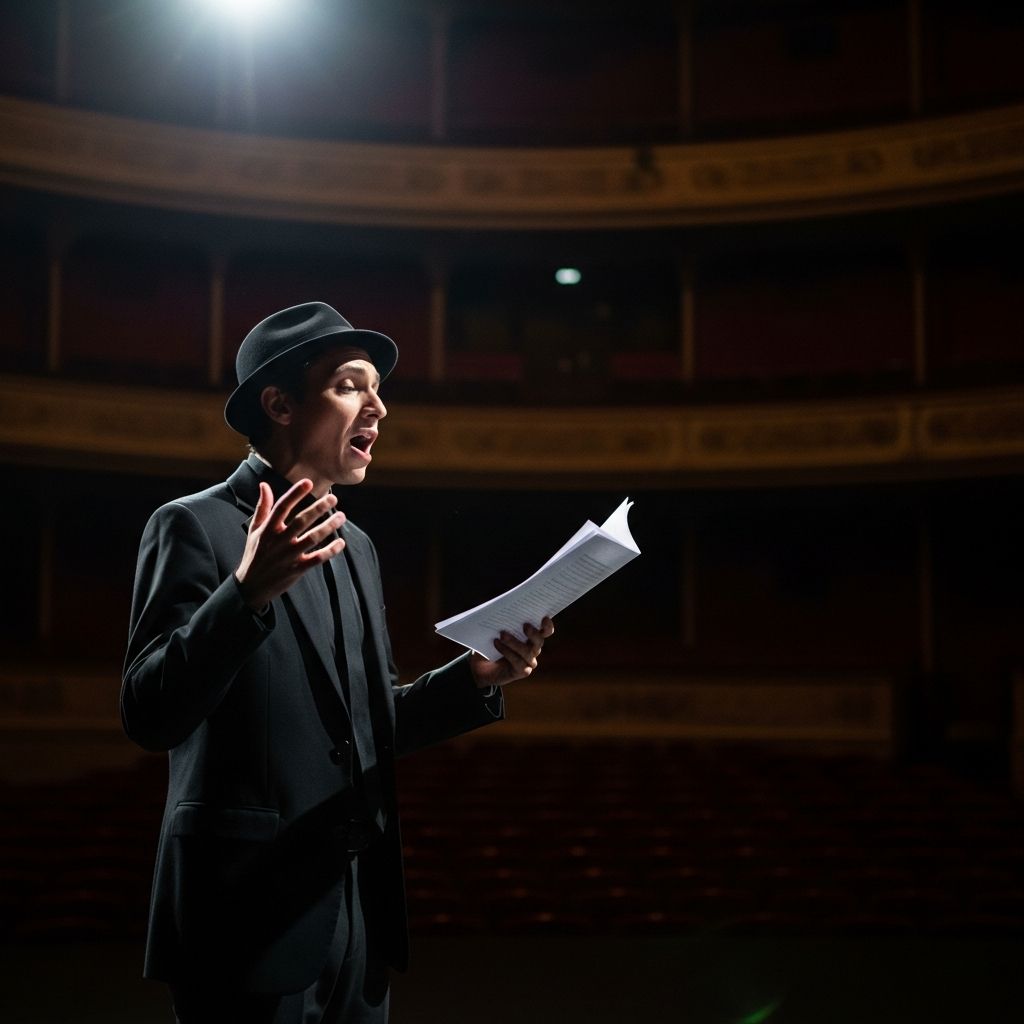
Dramatic readings transform written words into living experiences, drawing listeners into vivid worlds of emotion and imagination. By blending vocal artistry with deep textual understanding, performers can create unforgettable moments that resonate long after the final word.
Understanding the Essence of Interpretive Performance
At its core, interpretive reading goes beyond mere recitation; it embodies the text’s soul through nuanced delivery. Performers analyze literature—be it poetry, prose, or drama—to uncover layers of meaning, emotion, and intent. This preparation ensures every utterance serves the author’s vision while forging a personal bond with the audience.
Effective interpreters immerse themselves in the material, identifying key themes, character motivations, and atmospheric shifts. This foundational work allows for authentic expression that feels spontaneous yet meticulously crafted. Unlike acting, which relies on physical props and movement, dramatic reading leans heavily on voice and subtle gestures to paint mental pictures.
Selecting Material That Resonates
Choosing the right piece is crucial for captivating delivery. Opt for texts rich in sensory details, emotional arcs, and rhythmic language. Short stories with compelling narratives, poems evoking strong imagery, or monologues from plays offer ideal starting points. Consider audience demographics and event context to ensure relevance—uplifting tales for general crowds, introspective works for literary gatherings.
- Evaluate emotional range: Does the piece allow shifts from tension to release?
- Check length suitability: Aim for 3-7 minutes to maintain focus without fatigue.
- Assess universality: Select stories bridging personal experience with broader human truths.
Personal connection matters; choose material that stirs you, as genuine passion transmits directly to listeners.
Deep Dive into Textual Analysis
Dissect your selection methodically. Begin with a silent read-through to grasp overall purpose and tone. Note pivotal moments: climaxes of tension, subtle ironies, or poignant revelations. Map character voices, distinguishing dialects, ages, and emotional states.
Highlight imagery and metaphors, as these demand heightened vocal color. For poetry, trace meter and rhyme to inform pacing. Prose benefits from identifying dialogue cues and narrative beats. Create annotations for tempo changes, emphasis points, and pauses—these become your performance blueprint.
| Element | Analysis Focus | Performance Impact |
|---|---|---|
| Characters | Motivations, speech patterns | Differentiated voices build immersion |
| Emotions | Peaks, valleys, transitions | Heightens audience empathy |
| Setting | Descriptive cues | Evokes vivid mental visuals |
| Theme | Central message | Guides interpretive choices |
Harnessing Vocal Power for Impact
Your voice is the primary tool. Master vocal variety by varying pitch, volume, and quality. Low pitches convey gravity or menace; rising tones signal excitement or questions. Sudden swells amplify drama, while whispers draw listeners forward.
Tempo and rhythm control narrative flow. Accelerate through action sequences for urgency; slow for reflective passages to allow absorption. Practice rhythmic undulations—fast-slow-fast patterns mimic emotional waves, keeping audiences hooked.
Inflection adds nuance: rising for suspense, falling for resolution. Strategic pauses build anticipation, emphasize revelations, or let imagery settle. Avoid monotony; a dynamic voice prevents disengagement.
Practical Vocal Exercises
- Record a paragraph at constant speed, then re-record with varied rhythm. Compare for engagement.
- Exaggerate pitch shifts on emotional keywords until natural.
- Practice breath control for sustained phrasing without gasping.
Cultivating Commanding Stage Presence
Presence anchors your reading. Stand or sit with poised posture—shoulders relaxed, feet grounded—to project confidence. Maintain intermittent eye contact to forge connections, but allow “faraway” gazes for immersive moments, inviting shared imagination.
Subtle gestures enhance without distracting: a hand to the heart for intimacy, open palms for invitation. Avoid overacting; the manuscript remains in hand, grounding the performance as reading, not theater. Full presence means being fully in the moment, mirroring the text’s energy and pulling the audience along.
Crafting an Engaging Introduction and Close
A strong opening hooks immediately. Introduce yourself briefly, then contextualize the piece: author background, selection rationale, thematic hook. Pose a provocative question or tease a secret to spark curiosity. Keep it concise, priming emotions without spoilers.
Conclude with impact—a lingering pause, resonant final line, or reflective tie-back to the theme. This cements memories, prompting applause or discussion. Proportion intros and closes to 10-20% of total time.
Refining Through Rehearsal and Feedback
Rehearse relentlessly in varied settings: mirror for visuals, recordings for audio critique, empty rooms for projection. Time sessions to fit limits. Seek feedback from trusted listeners on clarity, emotion conveyance, and captivation.
Iterate based on input—adjust pacing if rushed, amplify gestures if flat. Simulate audience distractions to build resilience. Professional polish emerges from 20+ run-throughs.
Adapting to Diverse Audiences
Tailor delivery to context. For poetry enthusiasts, linger on imagery with slower tempos; narrative fans prefer brisk storytelling. Gauge room energy—intimate venues suit whispers, large halls demand projection.
Inclusive framing welcomes all: relate themes to universal experiences. Allow response pauses for reflection, acknowledging reactions to deepen bonds.
Overcoming Common Challenges
- Nervousness: Deep breaths and visualization steady nerves.
- Monotone drift: Mark scripts with variety cues.
- Lost focus: Anchor to key phrases during practice.
- Tech issues: Prepare for mic failures with natural volume control.
Frequently Asked Questions (FAQs)
What is the difference between dramatic reading and acting?
Dramatic reading uses voice and minimal gestures with a script in hand, focusing on interpretation; acting involves full embodiment, memorization, and staging.
How long should a dramatic reading last?
Ideal length is 3-5 minutes for readings, plus brief intro/conclusion, to sustain attention without overwhelming.
Can beginners attempt interpretive readings?
Yes, start with familiar texts and basic vocal exercises; consistent practice builds proficiency.
What if the audience seems disengaged?
Increase vocal dynamics, eye contact, and provocative pauses to rekindle interest.
Do I need a microphone?
For small groups, no; larger venues benefit from one, but master unamplified projection.
Advanced Techniques for Seasoned Performers
Elevate with layered interpretations: imply subtext through ironic tones or dual character voices in dialogue. Experiment with accents sparingly for authenticity. Integrate audience provocation—rhetorical questions mirroring text.
Record performances for self-analysis, noting breath patterns and emotional fidelity. Collaborate with coaches for nuanced feedback. Over time, develop a signature style blending technical prowess with intuitive flair.
Dramatic reading thrives on provocation over instruction, stirring intellect and heart. Whether in classrooms, open mics, or professional stages, these skills empower anyone to wield words as magic.
References
- Interpretive Reading Techniques for Students — Scribd. 2021-01-01. https://www.scribd.com/document/497444661/Interpretive-Reading-Ebook
- Reading in Public: 3 Steps to Captivate Your Audience — DIY MFA. N/A. https://diymfa.com/reading/reading-in-public-3-steps-to-captivate-your-audience/
- Oral Interpretation: A Detailed Guide — InterpretCloud. N/A. https://www.interpretcloud.com/blog/oral-interpretation-detailed-guide/
- Interpretive Reading — UCANR (University of California Agriculture and Natural Resources). N/A. https://ucanr.edu/?legacy-file=134231.pdf&legacy-site=4HSanDiegoCounty
- INTERPRETIVE TALK AND PRESENTATION TECHNIQUES — AnyFlip. N/A. https://anyflip.com/crxef/jalb/basic
- A How-To Guide for Your Poetry Reading — Open Book. N/A. https://open-book.ca/index.php/Writer-in-Residence/Archives/Jennifer-LoveGrove/A-How-To-Guide-for-Your-Poetry-Reading
- Reading a Prepared Text — Toastmasters International. 2017-02-01. https://www.toastmasters.org/magazine/magazine-issues/2017/feb2017/readingprepared

- Integrated M.A. in Applied Linguistics, University of Hyderabad
- 5+ years in editorial, instructional, SEO, and research-based writing
Sneha is a relationships and lifestyle writer with a strong foundation in applied linguistics and certified training in relationship coaching. She brings over five years of writing experience to theskillvault, crafting thoughtful, research-driven content that empowers readers to build healthier relationships, boost emotional well-being, and embrace holistic living. Her writing and insights reflect the belief that beauty, happiness, and wellness…