
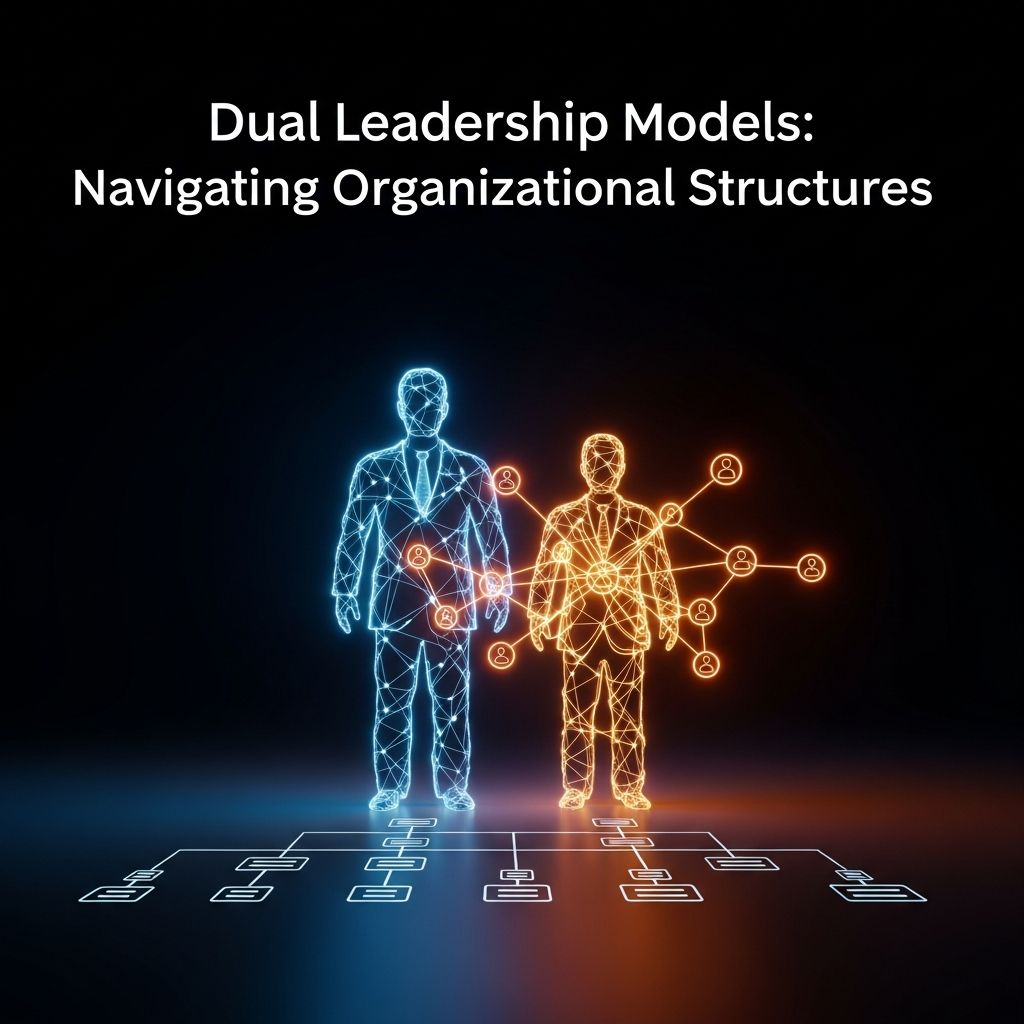
The Evolution of Modern Organizational Design
Contemporary organizations face unprecedented pressures to remain agile while maintaining structured accountability. Traditional hierarchical models, once the backbone of corporate management, increasingly struggle to address the fluid nature of modern business challenges. Organizations today require frameworks that encourage flexibility without sacrificing clarity of roles or responsibility. The emergence of dual reporting systems represents a paradigm shift in how companies structure their workforce and distribute decision-making authority.
This organizational model reflects a fundamental recognition that employee capabilities are multifaceted and dynamic. Rather than constraining talented individuals to single functions or rigid career paths, forward-thinking enterprises leverage their workforce across multiple initiatives simultaneously. This approach transforms how teams collaborate, solve problems, and respond to market opportunities.
Understanding the Dual Reporting Framework
Dual reporting structures position employees at the intersection of two distinct authority lines. Individuals maintain accountability to both a functional manager, who oversees their primary discipline or department, and a project manager, who directs their work on specific initiatives. This simultaneous dual accountability creates an organizational matrix where expertise flows both vertically and horizontally.
The framework operates on the principle that employees represent valuable organizational assets whose capabilities should be deployed strategically across multiple value-creating activities. A software engineer, for instance, might report to a technology director regarding professional development and technical standards while simultaneously reporting to a product manager for a specific customer engagement. This dual relationship ensures both technical excellence and project-specific alignment.
The Three-Tiered Matrix Architecture
Organizations typically implement three distinct variations of this dual reporting model, each suited to different organizational contexts and strategic objectives:
Functional-Dominant Matrix
In this configuration, functional managers retain primary authority and control over resource allocation. Project managers coordinate activities and timelines but possess limited hiring or disciplinary authority. This variant works well for organizations where deep functional expertise remains paramount and projects are secondary to ongoing departmental operations.
Project-Dominant Matrix
The inverse arrangement grants project managers substantial authority over team composition, task assignment, and performance evaluation, while functional managers provide technical guidance and skill development. This structure suits organizations where projects drive revenue and strategic value, such as professional services or consulting firms.
Balanced Matrix
In balanced configurations, functional and project managers share authority equally. Team members provide regular reporting to both leaders, and neither holds unilateral control over personnel decisions. This requires sophisticated communication protocols and clear conflict resolution mechanisms but creates genuine shared ownership.
Operational Mechanisms Within Dual Reporting Systems
Successfully implementing dual reporting requires deliberate attention to decision-making processes, communication channels, and conflict resolution protocols. Without these operational foundations, the system becomes chaotic and counterproductive.
Distributed Decision-Making Authority
Unlike traditional hierarchies where decisions cascade downward from executive levels, dual reporting systems distribute decision-making across multiple organizational nodes. Individual contributors at various levels gain involvement in decisions affecting their projects or functions. This democratization of authority introduces diverse perspectives into problem-solving processes and accelerates decision implementation because stakeholders have already contributed to the decision formation.
The mechanism requires clarity about which decisions rest within each manager’s purview. Strategic decisions might require joint approval, operational decisions might fall to project managers, and technical standards decisions might belong to functional leaders. Clear decision frameworks prevent paralysis while ensuring appropriate stakeholder involvement.
Communication Integration
Effective dual reporting systems establish multiple communication channels that prevent information silos. Regular touchpoints between functional managers and project managers ensure alignment on employee development, resource allocation, and strategic objectives. Team members receive consistent messaging from both reporting lines regarding priorities, performance expectations, and organizational direction.
Technology platforms increasingly facilitate this communication integration, particularly in distributed or remote work environments. Digital collaboration tools, shared project management systems, and integrated communication platforms enable seamless information flow across traditional departmental boundaries.
Strategic Advantages of Dual Reporting Structures
Enhanced Resource Optimization
Dual reporting systems address one of management’s persistent challenges: underutilized or overutilized human capital. Rather than assigning full-time teams to single projects, organizations deploy employees across multiple initiatives based on skill requirements and availability. A marketing specialist might dedicate 60% effort to a product launch initiative while allocating 40% to ongoing departmental responsibilities. This optimization reduces hiring requirements while maximizing the return on human capital investment.
Accelerated Problem-Solving Capacity
When teams comprise members from diverse functional backgrounds, they approach challenges from multiple disciplinary perspectives. A product development project incorporating engineering, design, marketing, and finance expertise generates richer problem definition and more creative solutions than homogeneous teams. Cross-functional exposure to different thinking styles enhances overall team capability.
Knowledge Transfer and Skill Development
Dual reporting environments naturally create mentorship and knowledge-sharing opportunities. Senior professionals collaborating across projects transfer tacit knowledge and best practices to developing talent. Employees gain exposure to methodologies, technologies, and business contexts outside their primary function, accelerating professional growth and organizational capability building. This continuous learning environment increases employee engagement and reduces talent attrition.
Organizational Agility and Market Responsiveness
Market conditions shift rapidly, requiring organizational structures capable of pivoting resources and priorities swiftly. Dual reporting systems enable managers to reassemble teams quickly in response to emerging opportunities or threats. A sudden competitive threat or market opportunity doesn’t require lengthy reorganization processes; resources realign to address the priority within existing structural frameworks.
Cost Efficiency and Financial Performance
By optimizing resource utilization and reducing headcount requirements, dual reporting systems generate measurable financial benefits. Organizations avoid maintaining dedicated project teams that remain idle between initiatives. Evidence indicates that organizations implementing matrix structures effectively achieve increased profitability, with some studies showing improvements exceeding 20%. Cost reductions combine with improved project outcomes to strengthen overall financial performance.
Improved Strategic Alignment
Dual reporting structures naturally create mechanisms for aligning individual contributor work with organizational strategy. Project managers ensure work progresses toward strategic initiatives, while functional managers connect individual development to long-term capability building. This dual alignment reduces disconnects between strategy and execution that plague many organizations.
Navigating the Challenges of Dual Reporting
Despite substantial advantages, dual reporting systems introduce complexities that organizations must deliberately manage. Understanding these challenges enables proactive mitigation strategies that preserve benefits while minimizing disruption.
Conflicting Priorities and Role Ambiguity
Employees inevitably encounter situations where project and functional managers request conflicting actions or differing timelines. Without clear priority frameworks, individuals experience role confusion and stress. Organizations must establish explicit protocols for resolving conflicts, ensuring employees understand how to navigate competing demands. Clear communication regarding strategic priorities helps individuals understand which commitments take precedence in ambiguous situations.
Management Complexity and Overhead Costs
Dual reporting systems demand more sophisticated management practices than traditional structures. Managers require training in collaborative leadership, conflict resolution, and matrix-specific communication protocols. The coordination required between functional and project managers introduces overhead that can offset efficiency gains if not properly managed. Organizations must commit to management development and process refinement to realize benefits while minimizing administrative burden.
Accountability and Performance Management Complications
Determining who bears responsibility for performance outcomes becomes ambiguous when multiple managers oversee individuals. Clear role definition and structured performance management systems addressing both functional and project contributions resolve this challenge. Performance evaluation frameworks should assess contributions to both functional excellence and project success, with both managers providing input into comprehensive evaluations.
Potential for Organizational Instability
If implemented without sufficient attention to communication and structure, dual reporting systems can unsettle employees and create organizational friction. Unclear authority relationships, inconsistent messaging from dual managers, or inadequate conflict resolution mechanisms undermine trust and psychological safety. Organizations implementing dual reporting must invest in change management, clear communication, and systems design that provides sufficient structure while enabling flexibility.
Implementation Considerations for Organizational Success
Successfully introducing or optimizing dual reporting structures requires attention to multiple implementation factors. Organizations that treat matrix implementation as a structural change rather than a cultural and systemic transformation typically experience disappointing results.
Cultural Readiness Assessment
Organizations with strong collaborative cultures and comfort with ambiguity adapt more readily to dual reporting systems. Conversely, organizations with siloed departments or cultures valuing clear individual accountability face greater resistance. Pre-implementation assessment of organizational culture enables targeted change management interventions addressing specific cultural barriers.
Clear Governance and Decision Protocols
Organizations must establish written governance frameworks specifying authority relationships, decision-making protocols, conflict resolution mechanisms, and performance management processes. Clarity reduces ambiguity and enables consistent application across organizational units. These frameworks require regular review and refinement as the organization learns from experience.
Technology Infrastructure and Tools
Digital platforms supporting project management, resource allocation, time tracking, and communication become essential in dual reporting systems. These systems provide transparency regarding resource allocation, enable efficient scheduling, and facilitate communication across reporting lines. Investing in appropriate technology platforms pays dividends in operational efficiency and communication clarity.
Management Training and Development
Managers within dual reporting systems require training in collaborative leadership, matrix-specific communication, and conflict resolution. Traditional management training often emphasizes individual authority and hierarchical decision-making; matrix management demands different skill sets. Comprehensive training ensures managers can navigate the complexities of shared authority and dual accountability.
Common Questions About Dual Reporting Structures
Q: How do organizations decide whether to implement a functional-dominant, project-dominant, or balanced matrix?
A: The choice depends on strategic priorities and competitive imperatives. Organizations where functional excellence drives competitive advantage typically favor functional-dominant matrices. Organizations where projects generate revenue and drive strategy prefer project-dominant configurations. Balanced matrices suit organizations requiring genuine equilibrium between functional excellence and project delivery.
Q: Can dual reporting systems work effectively in small organizations?
A: Yes, though with modifications. Small organizations can benefit from dual reporting principles without full matrix complexity. Simplified approaches might involve part-time matrix relationships or rotating project leadership. The key is matching system complexity to organizational scale and capability.
Q: How do performance evaluations function when employees report to multiple managers?
A: Effective organizations establish structured evaluation processes where both managers provide input. Evaluations should address functional competencies, project contributions, and collaborative effectiveness. Clear weighting of different evaluation components ensures fair assessment and prevents one manager from dominating the process.
Q: What prevents dual reporting systems from creating excessive overhead and bureaucracy?
A: Deliberate process design and technology enablement prevent bureaucratic growth. Organizations must resist adding approval layers or creating excessive governance processes. Clear decision authorities, efficient communication mechanisms, and technology platforms that automate routine coordination maintain efficiency while preserving structure.
Q: How do organizations maintain employee well-being in dual reporting structures?
A: Clear expectations, realistic workload distribution, and robust conflict resolution mechanisms protect employee well-being. Organizations must actively monitor workload balance, ensure both managers communicate regarding priorities, and provide resources supporting employee success. Regular feedback mechanisms help identify and address role confusion or excessive stress.
References
- Matrix Organizational Structure: Meaning, Types and Benefits — Together Platform. 2024. https://www.togetherplatform.com/blog/what-is-matrix-organizational-structure-how-does-it-improve-collaboration
- Matrix Management: Definition, Advantages and How It Works — Indeed Career Advice. 2024. https://www.indeed.com/career-advice/career-development/matrix-management
- Matrix management — EBSCO Research Starters. 2024. https://www.ebsco.com/research-starters/business-and-management/matrix-management
- Understanding Matrix Management: How It Works and Its Benefits — Coach Hub. 2024. https://www.coachhub.com/blog/understanding-matrix-management-how-it-works-and-benefits
- Matrix Structure of Organization – Advantages and Disadvantages — Poppulo. 2024. https://www.poppulo.com/blog/matrix-structure-of-organization

Medha Deb is an editor with a master's degree in Applied Linguistics from the University of Hyderabad. She believes that her qualification has helped her develop a deep understanding of language and its application in various contexts. Medha specializes in the areas of beauty, health, sports, and wellness and is committed to ensuring that the content on the website is…