
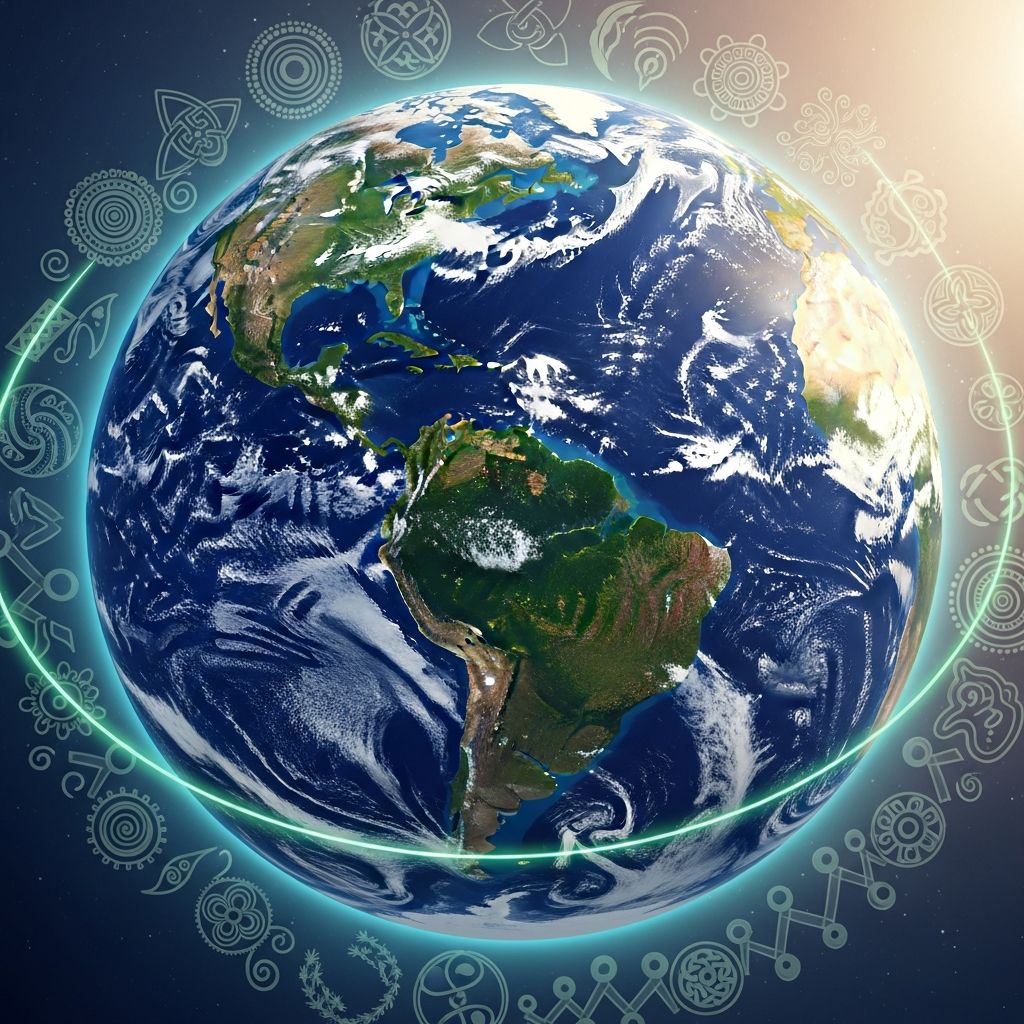
Earth Week serves as an extended celebration of environmental awareness, typically spanning seven days around Earth Day on April 22, uniting millions worldwide in efforts to protect the planet. This annual event builds on the momentum of Earth Day to promote sustained action against climate change, pollution, and habitat loss.
Understanding Earth Week and Its Core Dates
Earth Week generally runs from April 15 to April 21, culminating in Earth Day on April 22, though variations exist based on regional organizers. In 2026, Earth Day falls on Wednesday, April 22, making Earth Week align from Sunday, April 19 to Saturday, April 25 in some calendars to accommodate weekends for broader participation. This flexible timing ensures maximum community involvement, with official coordination through platforms like earthday.org.
The concept distinguishes itself from standalone Earth Day by offering a full week for education, cleanups, and advocacy. Governments, schools, and NGOs use this period to host workshops, tree-planting drives, and policy discussions, amplifying the message of sustainability.
Historical Roots of Earth Week Celebrations
The foundation of modern Earth Week traces back to 1970, when U.S. Senator Gaylord Nelson mobilized 20 million Americans for the first Earth Day on April 22, sparked by events like the 1969 Santa Barbara oil spill. This grassroots movement pressured Congress to enact landmark laws, including the Clean Air Act and creation of the Environmental Protection Agency.
Earlier inspirations include John McConnell’s 1969 UNESCO proposal for an equinoctial Earth Day on March 21, emphasizing peace and planetary honor. By the 1990s, Earth Week formalized as an extension, with the United Nations reinforcing April 22 as the global standard in 2009. Today, it engages over 1 billion participants across 193 countries, evolving into a platform for addressing contemporary crises like plastic pollution and biodiversity decline.
Earth Week 2026: Key Dates and Planning Essentials
For 2026, mark these pivotal dates:
- April 19-21: Pre-Earth Day build-up with local workshops and youth engagements.
- April 22: Global Earth Day peak, featuring rallies and virtual events.
- April 23-25: Post-event reflections, cleanups, and commitment pledges.
Organizations like The Nature Conservancy frame 2026 as a generational milestone, celebrating 75 years of conservation while urging intergenerational action. Official sites recommend early registration for events via earthday.org, which coordinates climate action campaigns.
| Year | Earth Day Date | Earth Week Span | Theme Focus |
|---|---|---|---|
| 2025 | April 22 (Tue) | April 15-22 | Planet vs. Plastics |
| 2026 | April 22 (Wed) | April 19-25 | Generational Equity |
| 2027 | April 22 (Thu) | April 16-22 | TBD |
This table highlights recurring patterns, with themes announced annually to tackle urgent issues.
Signature Activities to Ignite Earth Week
Earth Week thrives on diverse, actionable events tailored to all ages and locations. Common highlights include:
- Community Cleanups: Volunteers remove litter from beaches, rivers, and parks, directly reducing pollution.
- Educational Workshops: Sessions on recycling, renewable energy, and zero-waste living empower participants.
- Tree-Planting Initiatives: Groups plant thousands of saplings, combating deforestation and enhancing carbon sequestration.
- Virtual Webinars: Global experts discuss policy, with live streams accessible via earthday.org.
Families can host backyard composting demos or plastic-free picnics, while corporations organize employee green audits. Schools integrate STEM projects, like building solar models, fostering lifelong environmental stewardship.
Personal Commitments for Lasting Impact
Beyond events, Earth Week inspires individual pledges. Start small: switch to reusable bags, reduce meat consumption one day weekly, or audit home energy use. Track progress with apps recommended by organizers, turning awareness into habits.
Corporates and governments amplify this by pledging net-zero goals or policy reforms. Historical data shows such commitments from 1970 led to cleaner air and water, proving collective action works.
Global Perspectives on Earth Week Observance
While April 22 dominates, cultural adaptations enrich the event. In the Southern Hemisphere, some align with their spring equinox around September. India’s Earth Day integrates with Swachh Bharat clean drives, while Europe’s events tie into EU Green Deal objectives.
Indigenous communities emphasize traditional knowledge, hosting ceremonies that blend ancient wisdom with modern advocacy. This inclusivity ensures Earth Week resonates across borders, promoting equity in environmental justice.
Measuring Earth Week’s Environmental Legacy
Since 1970, Earth Week has catalyzed progress: U.S. air quality improved 78% in major cities, and global renewable energy capacity tripled in the last decade. Challenges persist, with 8 million tons of plastic entering oceans yearly, underscoring the need for ongoing vigilance.
Success metrics include participation growth—from 20 million in 1970 to 1 billion today—and policy wins like the Paris Agreement, partly fueled by annual mobilizations.
Frequently Asked Questions About Earth Week
What are the exact dates for Earth Week 2026?
Earth Week 2026 typically spans April 19-25, centered on Earth Day, April 22. Check local organizers for precise schedules.
How did Earth Week originate?
It evolved from the 1970 Earth Day, founded by Senator Gaylord Nelson, expanding into a week-long event for deeper engagement.
Can I participate in Earth Week remotely?
Yes, earthday.org offers virtual events, webinars, and challenge toolkits for global online involvement.
What is the 2026 Earth Day theme?
Focus areas include generational responsibility and climate defense, as highlighted by major organizers.
How can businesses engage in Earth Week?
Host sustainability audits, volunteer days, or pledge reductions in waste and emissions.
Future Directions for Earth Week Evolution
Looking ahead, Earth Week may incorporate AI-driven climate modeling and youth-led tech innovations. With 2026 marking key anniversaries, expect heightened focus on biodiversity restoration and equitable transitions. By blending tradition with technology, it remains vital for planetary health.
Engage now: visit official sites, form local groups, and commit to changes. Earth Week isn’t just an event—it’s a call to safeguard our shared home for generations ahead.
References
- Earth Day – Wikipedia — Wikipedia Contributors. 2024-04-01. https://en.wikipedia.org/wiki/Earth_Day
- Earth Day 2026: What It Means and How You Can Make a Difference — Remitly Blog. 2025-01-15. https://www.remitly.com/blog/lifestyle-culture/earth-day/
- Earth Day: The Official Site — EARTHDAY.ORG. 2026-04-01. https://www.earthday.org
- Earth Day 2026 – The Nature Conservancy — The Nature Conservancy. 2026-03-20. https://www.nature.org/en-us/get-involved/how-to-help/earth-day/
- The History of Earth Day — EARTHDAY.ORG. 2025-04-22. https://www.earthday.org/history/

- Integrated M.A. in Applied Linguistics, University of Hyderabad
- 5+ years in editorial, instructional, SEO, and research-based writing
Sneha is a relationships and lifestyle writer with a strong foundation in applied linguistics and certified training in relationship coaching. She brings over five years of writing experience to theskillvault, crafting thoughtful, research-driven content that empowers readers to build healthier relationships, boost emotional well-being, and embrace holistic living. Her writing and insights reflect the belief that beauty, happiness, and wellness…