
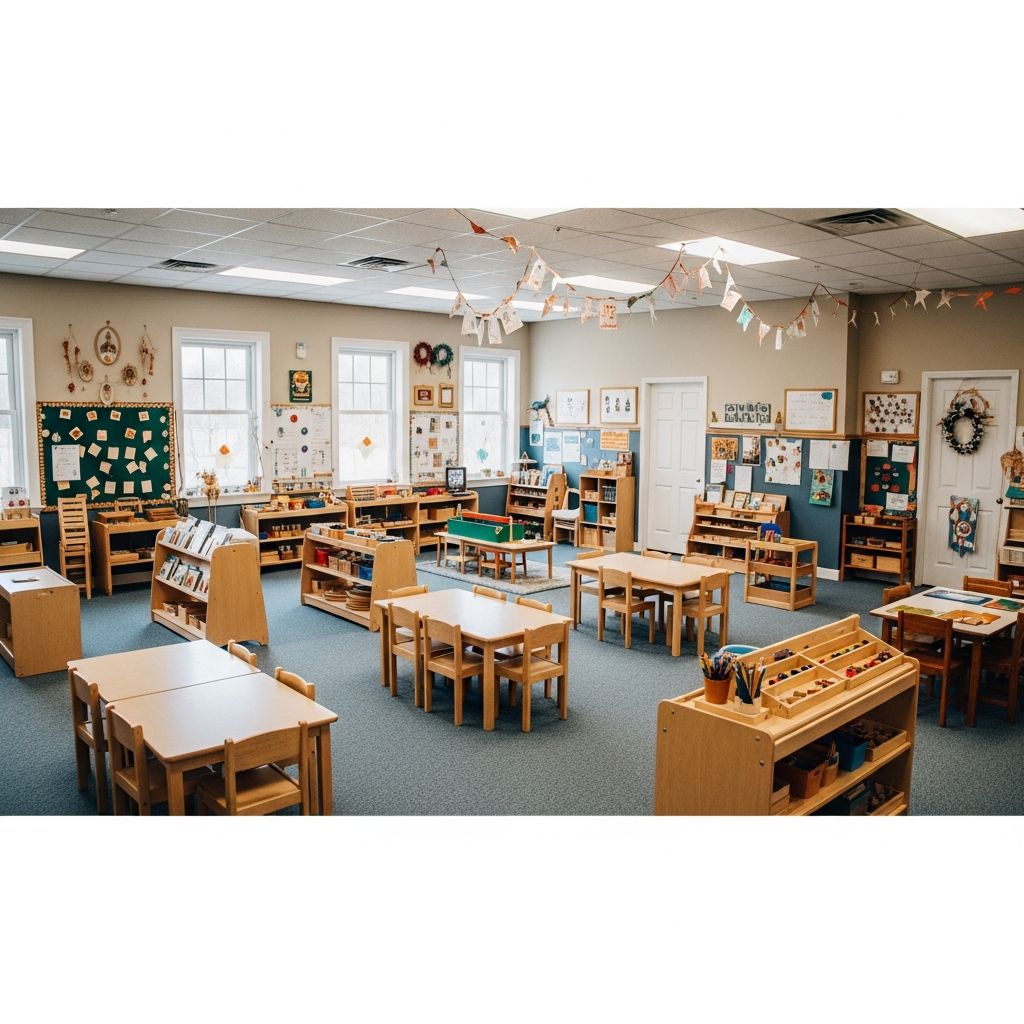
Eclectic homeschooling represents a dynamic and adaptable educational strategy that empowers parents to craft a customized learning experience by integrating elements from various teaching philosophies and resources. Unlike rigid curricula, this method allows families to select the most effective tools, activities, and approaches based on their children’s evolving needs, interests, and learning styles. By blending structured academics with creative exploration, eclectic homeschooling fosters deep engagement and holistic development.
Defining the Eclectic Homeschooling Approach
At its core, eclectic homeschooling rejects the limitations of a single educational model, instead drawing from multiple sources to create a hybrid program. Parents might incorporate workbook-based lessons for math, hands-on experiments for science, literature discussions for language arts, and nature outings for social studies. This versatility ensures that education remains relevant and stimulating, adapting seamlessly as children grow or their circumstances change.
The approach thrives on parental intuition and observation. For instance, if a child excels in visual learning, families can prioritize videos and diagrams, while auditory learners benefit from podcasts and read-aloud sessions. This personalization not only enhances retention but also builds confidence as children encounter success across diverse modalities.
Core Principles Guiding Eclectic Education
Several foundational principles underpin successful eclectic homeschooling:
- Child-Centered Focus: Lessons revolve around the learner’s pace, passions, and challenges, ensuring motivation remains high.
- Integration of Subjects: Rather than isolating topics, connections are made—such as linking history to art projects or math to cooking—to promote comprehensive understanding.
- Balance of Structure and Freedom: A loose framework provides consistency, while ample room for spontaneity encourages creativity.
- Ongoing Assessment: Progress is evaluated through discussions, projects, and portfolios rather than standardized tests alone.
These principles allow families to evolve their program yearly, incorporating new discoveries like online simulations or community workshops.
Advantages of Adopting an Eclectic Method
One of the standout benefits is unmatched flexibility, enabling quick adjustments when a resource underperforms or a child’s interests shift. This adaptability is particularly valuable for neurodiverse learners, accommodating sensory preferences and attention spans without forcing conformity.
Eclectic homeschooling also promotes sustained motivation by varying activities, preventing burnout from repetitive tasks. Children exposed to games, field trips, and digital tools alongside textbooks develop a broader skill set, including problem-solving and real-world application.
| Aspect | Eclectic Homeschooling | Traditional Methods |
|---|---|---|
| Customization | High – Tailored to individual needs | Low – Follows fixed curriculum |
| Engagement | Varied activities keep interest high | Can become routine |
| Adaptability | Easily modifies for changes | Rigid structure |
| Skill Development | Holistic, including life skills | Primarily academic focus |
Furthermore, this method cultivates a love for learning by aligning education with natural curiosities, leading to self-directed exploration and resilience.
Building Your Eclectic Curriculum Framework
Creating an eclectic program starts with assessing your children’s learning profiles. Observe their responses to different activities: Does hands-on building spark joy in math? Do stories ignite history passion? Use this data to select core resources.
Subject-Specific Strategies:
- Math: Combine apps for drills with manipulatives like blocks for concepts.
- Science: Alternate lab kits, documentaries, and outdoor observations.
- Language Arts: Mix reading lists, writing journals, and drama performances.
- Social Studies: Blend timelines, virtual tours, and local history interviews.
Incorporate life skills such as budgeting through mock stores or public speaking via family debates. Digital platforms offer interactive supplements, while libraries provide free books and programs.
Practical Tools and Resources for Success
Diverse materials form the backbone of eclectic learning:
- Textbooks and workbooks for foundational skills.
- Educational apps and online courses for interactivity.
- Hands-on kits for experiments and crafts.
- Audiobooks and podcasts for commuting or downtime.
- Field trip guides for experiential outings.
Organization is key—use planners to track progress, set weekly goals, and log adjustments. Digital tools like homeschool apps streamline scheduling, while portfolios showcase achievements for reviews or college applications.
Navigating Common Hurdles in Eclectic Homeschooling
Despite its strengths, eclectic methods demand effort. The primary challenge is planning time; without a ready-made plan, parents must curate resources, which can overwhelm beginners. Combat this by starting small—pilot one subject eclectically before expanding.
Another issue is ensuring academic rigor amid variety. Maintain standards by aligning activities with grade-level benchmarks from official sources like state education departments. Regular check-ins prevent gaps.
Multi-child families face coordination complexities. Solution: Individualized schedules with shared family times for group subjects like art or PE. Burnout risk is mitigated by parental self-care and co-op involvement for shared teaching loads.
Real-Life Examples of Eclectic Homeschool Journeys
Consider a family with a visual-spatial learner and a kinesthetic sibling. For the former, history unfolds via timelines and videos; for the latter, through role-playing historical events. Science unites them in garden experiments tracking plant growth.
Another scenario: A tween struggling with fractions switches from textbooks to cooking recipes, mastering concepts through measuring ingredients. Such adaptations yield breakthroughs, proving eclectic’s efficacy.
Daily and Weekly Scheduling in Eclectic Homeschooling
A typical day might begin with a morning meeting for goal-setting, followed by focused subjects, breaks for movement, and afternoon projects. Weekly rhythms include library days, co-op meets, and free exploration blocks.
Flexibility shines here—snow days become indoor science via videos, or a spontaneous museum trip replaces planned reading. This rhythm balances routine with responsiveness.
Long-Term Outcomes and Preparation for the Future
Eclectic graduates often excel in college and careers due to versatile skills: critical thinking from integrated learning, adaptability from varied methods, and initiative from self-directed pursuits. They navigate diverse environments confidently, embodying lifelong learners.
Documentation via transcripts and portfolios eases transitions to traditional schools or higher education. Many pursue passions uncovered through eclectic exploration, from entrepreneurship to arts.
Frequently Asked Questions About Eclectic Homeschooling
Is eclectic homeschooling suitable for beginners?
Yes, start with familiar resources and gradually diversify. Join online communities for support.
How do you ensure coverage of all subjects?
Use scope-and-sequence charts from educational standards to map activities against requirements.
Can eclectic methods prepare kids for standardized tests?
Absolutely—dedicate targeted practice while maintaining variety for retention.
What if my child has special needs?
Eclectic excels here, customizing therapies, pacing, and modalities seamlessly.
How much does it cost compared to packaged curricula?
Often less, leveraging free libraries, apps, and DIY activities alongside selective purchases.
References
- Eclectic Homeschool: How to Blend the Best of Every Approach — Outschool. 2023. https://outschool.com/homeschool/eclectic
- Eclectic Homeschooling: A Complete Guide to Flexible Learning — Baketivity. 2024-05-15. https://baketivity.com/blogs/news/eclectic-homeschooling-a-complete-guide-to-flexible-learning
- Exploring The Eclectic Homeschool Method: Planning With A Homeschool Planner — Homeschool Planet. 2023-08-10. https://homeschoolplanet.com/eclectic-homeschool-method-planning/
- Eclectic Homeschooling — ABCmouse. 2024. https://www.abcmouse.com/learn/homeschool/eclectic-homeschooling/31079
- Exploring the Unconventional: The Unknown Benefits of Eclectic Homeschooling — The Educational Warehouse. 2023-11-20. https://www.theeducationalwarehouse.com/post/exploring-the-unconventional-the-unknown-benefits-of-eclectic-homeschooling

- Integrated M.A. in Applied Linguistics, University of Hyderabad
- 5+ years in editorial, instructional, SEO, and research-based writing
Sneha is a relationships and lifestyle writer with a strong foundation in applied linguistics and certified training in relationship coaching. She brings over five years of writing experience to theskillvault, crafting thoughtful, research-driven content that empowers readers to build healthier relationships, boost emotional well-being, and embrace holistic living. Her writing and insights reflect the belief that beauty, happiness, and wellness…