
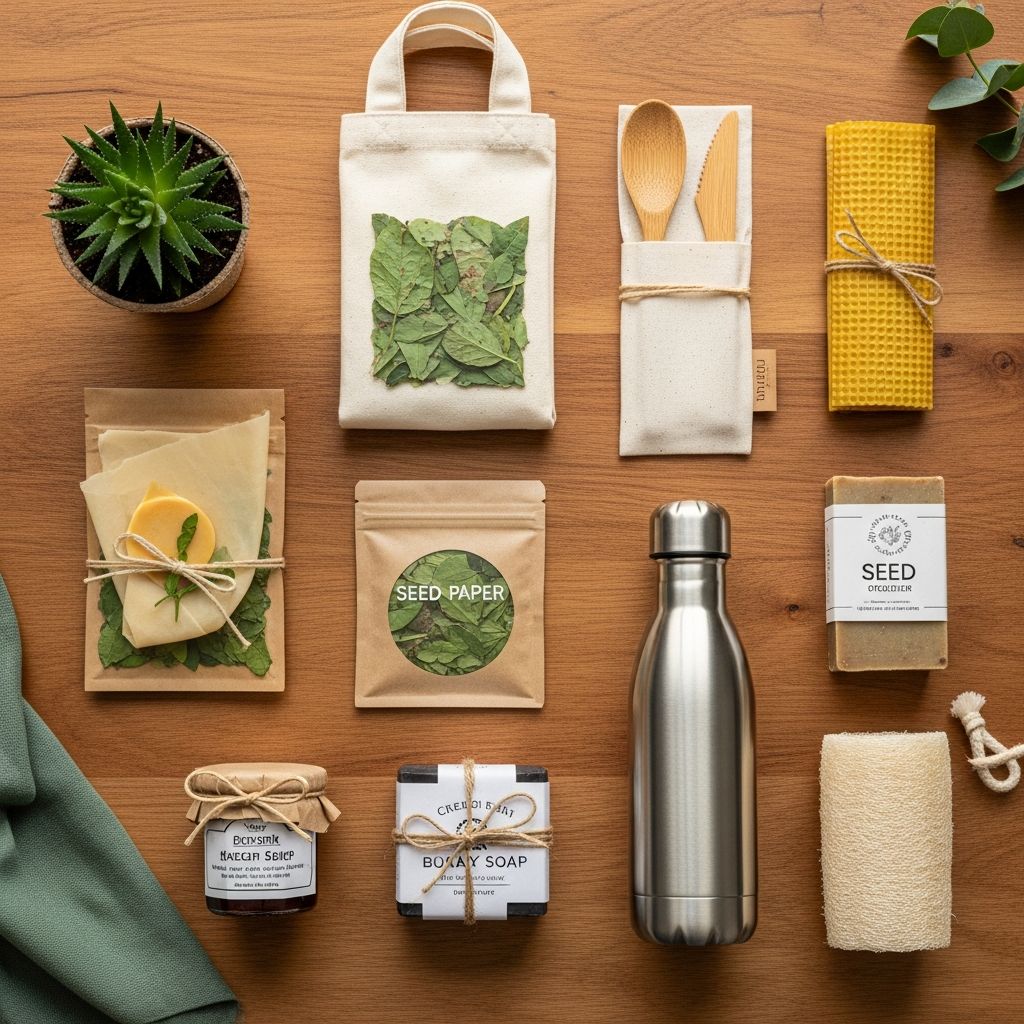
Gift-giving does not have to mean excess packaging, disposable products, and clutter. With some intention, you can choose presents that support a healthier planet, respect workers, and still feel generous and fun. This guide walks through planet-friendly gift ideas for different personalities, plus tips for greener wrapping and shopping habits.
Why Eco-Friendly Gifts Matter
Traditional gifting often comes with hidden environmental costs: plastic-heavy packaging, short-lived products, and long shipping routes. By choosing more sustainable options, you can help reduce your contribution to waste and emissions while still celebrating the people you care about.
- Globally, municipal solid waste is projected to reach about 3.4 billion tons by 2050 without action, putting enormous pressure on landfills and ecosystems.
- Textile production alone is responsible for approximately 10% of global greenhouse gas emissions, more than international flights and maritime shipping combined.
- Plastic packaging dominates global plastic use, and only about 9% of plastic ever produced has been recycled.
Re-thinking the way we give is a small but meaningful way to push back against these trends.
Principles of Sustainable Gifting
Before you choose a specific item, run it through a quick eco-check. The best gifts usually:
- Reduce waste: Reusable, refillable, or designed to last.
- Use better materials: Organic fibers, recycled content, or natural, renewable resources.
- Support ethical production: Fair labor, transparent supply chains, and safe working conditions.
- Fit the person’s real life: A low-waste gift that sits unused is still wasteful.
| Conventional Gift | Common Issue | Eco-Friendly Alternative |
|---|---|---|
| Fast-fashion sweater | High emissions, poor labor standards | Organic or recycled-fiber knit from a certified ethical brand |
| Single-use beauty set | Mini plastics, mixed materials, non-recyclable | Refillable, low-waste skincare or solid bars |
| Novelty gadgets | Short life span, hard to repair or recycle | Multi-use, durable tools or repairable electronics |
| Generic gift basket | Bulky packaging, food waste | Curated local food set in reusable containers |
Gift Ideas for Different Types of People
Use these categories as inspiration and customize based on what each person actually enjoys and uses.
1. For the Homebody and Decor Lover
Choose items that make a space cozy without adding unnecessary plastic or synthetic fragrances.
- Natural-fiber throws and cushions: Look for organic cotton, linen, hemp, or responsibly sourced wool, verified by certifications like GOTS (Global Organic Textile Standard) or Responsible Wool Standard.
- Plant-based candles: Soy, coconut, or beeswax candles with cotton wicks and glass or metal containers that can be reused.
- Indoor plants: A hardy plant in a ceramic pot is decor plus cleaner indoor air; avoid plastic pots by choosing clay or upcycled containers.
- Art from local or independent creators: Prints or textiles from small makers often come with lower shipping footprints and more transparent sourcing.
2. For the Wellness and Self-Care Enthusiast
Support their routines with products that are gentle on their body and the environment.
- Solid shampoo, conditioner, and soap bars: These eliminate plastic bottles and can be shipped with minimal packaging.
- Refillable skincare: Aluminum or glass packaging that can be refilled, reducing single-use plastic in bathrooms.
- Organic cotton towels or robes: Choose GOTS-certified cotton or other verified organic textiles to reduce pesticide use and water pollution.
- Mindfulness experiences: An online yoga subscription, meditation app credit, or access to a local class series.
3. For the Foodie and Home Cook
Kitchen gifts are practical, and the right ones can dramatically cut household waste.
- Reusable food storage:
- Glass or stainless-steel containers with tight lids.
- Silicone bags that replace disposable plastic bags.
- Beeswax or vegan wax wraps for covering bowls and leftovers.
- High-quality tools: A durable chef’s knife, cast-iron skillet, or wooden cutting board that will last for years.
- Local or fair-trade pantry upgrades: Organic spices, fair-trade coffee or tea, or locally sourced honey and olive oil.
- Home composting support: A countertop compost caddy or voucher for a community composting program to keep food scraps out of landfills.
4. For the Office Professional
Help them build a low-waste workday, whether they are in an office or at a kitchen table.
- Reusable drinkware: An insulated stainless-steel mug or bottle reduces single-use coffee cups and plastic bottles.
- Zero-waste lunch kit: A lunchbox, utensil set, and cloth napkin for desk lunches and commutes.
- Recycled notebooks and planners: Choose high post-consumer recycled content and minimal lamination.
- Digital or service-based gifts: Audiobook or e-book credits, a note-taking app subscription, or a virtual conference pass relevant to their field.
5. For the Traveler and Adventurer
Support their wanderlust with gear that minimizes their footprint on the road.
- Packing cubes and reusable bags: Prefer recycled or organic materials; they help avoid plastic bags and organize luggage.
- Collapsible or compact reusables: Travel cutlery, a foldable cup, or lightweight tote bags.
- Carbon-conscious experiences: Instead of flights, consider train passes, local adventures, or guided hikes with certified eco-tour companies.
- Durable travel accessories: Repairable luggage or backpacks made from recycled fibers.
6. For the Minimalist
Minimalists often prefer less stuff, so prioritize usefulness and non-physical gifts.
- Donations in their name: Support causes they care about, like climate action, conservation, or social justice organizations.
- Digital content: Courses, e-books, or streaming services they genuinely use.
- Repair or maintenance vouchers: A bike tune-up, shoe repair, or alterations for clothing they love already.
- High-quality, everyday essentials: If you go physical, choose something they would buy anyway, such as an upgraded reusable bottle or a replacement for a worn-out item.
7. For the DIY and Creative Friend
Channel their creativity into projects that use sustainable materials and limit waste.
- Natural craft supplies: Organic yarn, plant-based dyes, recycled paper, or non-toxic paints.
- Upcycling kits: Tools and instructions for turning old textiles, jars, or furniture into something new.
- Skill-building classes: Sewing, mending, woodworking, ceramics, or natural dye workshops that encourage repair over replacement.
- Digital patterns or tutorials: Zero-physical clutter, but lots of inspiration.
Low-Waste Gift Wrapping and Presentation
Even the most sustainable gift can arrive smothered in packaging. Thoughtful presentation can significantly cut down waste.
- Skip conventional wrapping paper: Many glossy or metallic papers cannot be recycled. Use plain kraft paper, paper bags, or old maps and newspapers instead.
- Try reusable wraps: Fabric wraps (inspired by Japanese furoshiki techniques), scarves, or tea towels that are part of the gift.
- Choose natural ribbons: Cotton or jute twine instead of plastic ribbons and bows.
- Rethink tags: Write directly on the package or use small recycled paper tags.
How to Vet Brands and Products
Many companies now market themselves as “green,” but the claims are not always backed up. When possible, look for third-party certifications and transparent information.
- Textile standards: GOTS for organic fibers and OEKO-TEX for tested-for-harmful-substances fabrics.
- Fair labor: Fairtrade, Fair Wear Foundation membership, or B Corporation certification can be helpful indicators.
- Packaging choices: Preference for paper, cardboard, metal, or glass that can be easily recycled, with minimal plastic.
- Clear environmental reporting: Brands that publish sustainability reports or lifecycle analyses demonstrate more accountability.
Tips for More Sustainable Holiday Shopping
Beyond individual items, the way you approach the entire season can make a difference.
- Plan early: Buying ahead allows ground or consolidated shipping and avoids last-minute, low-quality purchases.
- Set a gift limit: Agree as a family or friend group on a price limit or a one-gift-per-person rule to avoid excess.
- Shop locally when possible: Supporting small, nearby businesses can cut transportation emissions and strengthen your local economy.
- Avoid impulse buys: If you are not sure they will use it for at least a year, consider another option.
Frequently Asked Questions (FAQs)
Q: Are eco-friendly gifts more expensive than regular gifts?
Not always. While some ethically made items cost more upfront due to fair wages and better materials, you can also find low-cost options like homemade treats, second-hand books, or simple experiences. Because sustainable products often last longer or replace disposables, they can be better value over time.
Q: Is it still eco-friendly if I buy a gift online?
Ordering online can still be part of responsible gifting, especially if you avoid expedited shipping, bundle purchases into fewer deliveries, and choose companies that use minimal or recyclable packaging. Consolidated ground shipping is generally less carbon intensive than multiple last-minute shipments.
Q: What if the person I’m buying for is not very eco-conscious?
Focus on practicality and comfort rather than messaging. Choose gifts that naturally reduce waste—like a well-designed reusable bottle or high-quality kitchen containers—without calling them “eco” gifts. People are more likely to adopt sustainable habits when solutions are convenient.
Q: Is re-gifting or buying second-hand rude?
Cultural norms vary, but many people now appreciate pre-loved and vintage items, especially books, decor, and fashion. Re-gifting is typically fine if the item is new or in excellent condition and genuinely suits the recipient. For second-hand finds, be transparent if you think they will care; otherwise, simply present it thoughtfully.
Q: How many gifts should I give if I want to be more sustainable?
There is no fixed number, but reducing quantity and increasing quality is a helpful guideline. Some families adopt simple rules such as “something to wear, something to read, something you want, and something you need”—a structure that limits excess while still feeling festive.
References
- What a Waste 2.0: A Global Snapshot of Solid Waste Management to 2050 — World Bank. 2018-09-20. https://openknowledge.worldbank.org/entities/publication/8cafaaf7-b131-5a9d-9bb2-6c0c6e0b9e90
- Fashion and the SDGs: What Role for the UN? — United Nations Economic Commission for Europe. 2018-12-21. https://unece.org/info/publications/pub/21949
- Global Plastics Outlook: Policy Scenarios to 2060 — OECD. 2022-06-03. https://www.oecd.org/publications/global-plastics-outlook-policy-scenarios-to-2060-e2f886b4-en.htm
- Food Waste Index Report 2021 — United Nations Environment Programme. 2021-03-04. https://www.unep.org/resources/report/unep-food-waste-index-report-2021
- Emissions Gap Report 2023 — UN Environment Programme. 2023-11-20. https://www.unep.org/resources/emissions-gap-report-2023
- Waste Prevention Guidelines — U.S. Environmental Protection Agency. 2023-04-12. https://www.epa.gov/recycle/reducing-waste-what-you-can-do

Medha Deb is an editor with a master's degree in Applied Linguistics from the University of Hyderabad. She believes that her qualification has helped her develop a deep understanding of language and its application in various contexts. Medha specializes in the areas of beauty, health, sports, and wellness and is committed to ensuring that the content on the website is…