
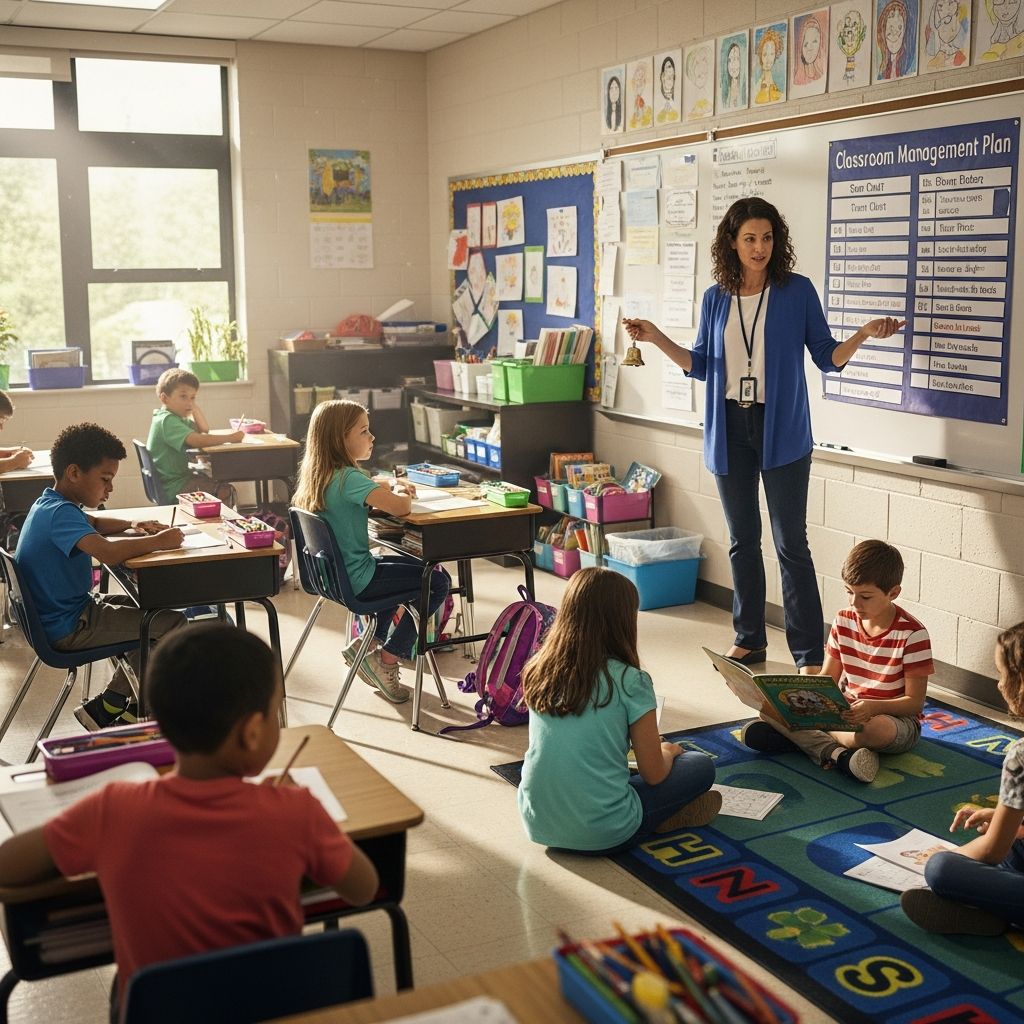
As the school year winds down, classrooms often face heightened energy levels, waning focus, and unpredictable behaviors from students eager for summer break. Teachers can counter these challenges by implementing targeted strategies that preserve structure while injecting excitement. This article explores comprehensive approaches drawn from experienced educators, emphasizing proactive measures, student empowerment, and reflective practices to ensure a productive and positive conclusion to the academic term.
Understanding the End-of-Year Dynamics
The final weeks bring unique hurdles. Students exhibit restlessness, increased chatter, and reduced attention spans due to the proximity of vacation. Teachers may feel fatigued, tempting a relaxation of standards that can escalate disruptions. Recognizing these shifts early allows for timely interventions. For instance, observe patterns like fidgeting or off-task talking to address root causes such as boredom or unmet needs. Maintaining vigilance prevents minor issues from snowballing into major disruptions.
Research from educational resources underscores the importance of consistency during this period. A study on classroom environments highlights that structured settings reduce misbehavior by up to 30% in transitional phases. By anticipating these dynamics, educators can adapt without compromising learning objectives.
Reinforcing Core Routines and Expectations
Start by refreshing classroom norms. Conduct interactive sessions where students revisit rules, discussing what’s effective and suggesting tweaks. This fosters ownership and clarity. Post visible, objective guidelines and reference them during lessons, evolving the list as needed—for example, adding tech protocols mid-year.
Routines minimize downtime, a common trigger for chaos. Plan procedures meticulously: outline teacher and student actions for transitions, teaching them explicitly at key points like post-breaks. Non-verbal cues, such as proximity or eye contact, redirect without interrupting flow, preserving lesson momentum. Consistency in enforcement signals that expectations remain firm, countering the urge to loosen reins.
- Review rules weekly through games or role-plays for engagement.
- Teach routines via modeling and practice drills.
- Use signals like hand gestures for quick resets.
Boosting Engagement Through Variety
Combat boredom with dynamic activities. Introduce brain breaks, movement-integrated tasks, or choice boards to channel energy productively. Tools like interactive slides or group projects keep students involved, reducing acting out from disengagement.
Transform spaces temporarily—rearrange desks or theme the room—to spark novelty. Incorporate tech like quizzes or escape-room challenges for collaborative fun. Hands-on STEM tasks or review games make learning feel like play, sustaining motivation without diluting content.
| Activity Type | Benefits | Examples |
|---|---|---|
| Movement-Based | Releases energy, improves focus | Math scoot games, outdoor reviews |
| Tech-Integrated | Increases participation | Kahoot quizzes, digital choice boards |
| Collaborative | Builds community | Group projects, peer teaching |
Empowering Students with Responsibility
Shift control gradually to build leadership. Assign jobs like material distribution, peer tutoring, or space organization, giving students purpose and investment. This channels ‘hotshot’ attitudes into positive contributions, lightening teacher loads.
Advance to student-led learning: let them select review topics, design projects, or guide discussions. Paired with structure, this boosts engagement profoundly. Frame it as preparation for the next grade, reinforcing growth mindsets.
- Daily jobs: Pencil sharpener, line leader, tech manager.
- Project choices: Create skill-based displays or portfolios.
- Leadership roles: Facilitate morning meetings or reflections.
Celebrating Progress and Building Connections
Recognition sustains positivity. Implement reward systems with class-voted incentives like parties or privileges, spotlighting efforts daily. Certificates or shoutouts for academics and character traits cultivate motivation.
Prioritize relationships through reflections: share year highlights, peer appreciations, or goal-setting for summer. These foster closure and goodwill, easing transitions. Authentic connections buffer against disruptions, creating supportive atmospheres.
Proactive Prevention and Self-Care for Teachers
Anticipate issues by reviewing expectations creatively and incorporating self-regulation tools like positive time-outs—spaces for calming without punishment. Logical consequences teach accountability empathetically.
Teachers, grant yourselves grace: core learning is complete; focus on enjoyment and connections. Stay structured to avoid signaling early vacation, balancing fun with purpose.
Practical Implementation Timeline
Week 1: Refresh routines, assign jobs.
Week 2: Introduce variety, start rewards.
Week 3: Student-led projects, daily celebrations.
Final Days: Reflections, wrap-up fun.
Frequently Asked Questions (FAQs)
What if students resist routine reviews?
Make it collaborative—use polls or games to involve them, turning it into a team effort.
How do I balance fun and structure?
Anchor activities to objectives; use timers for transitions to maintain flow.
Are rewards effective long-term?
Yes, when paired with intrinsic motivators like responsibility and praise.
What about high-energy classes?
Increase movement and choices; outdoor sessions help expend energy.
Can these work for all grades?
Adapt scale—simpler jobs for younger, complex projects for older.
Long-Term Benefits of Strong Closures
Effective end-of-year management sets precedents for future years, modeling resilience and positivity. Students internalize skills like self-regulation, benefiting transitions. Teachers gain momentum, reflecting on successes to refine practices. Data shows positive closures correlate with higher next-year retention of routines.
Expand on reflections: host ‘year in review’ walls with student contributions, blending nostalgia with learning. Integrate cross-curricular fun, like history timelines of class events, to solidify knowledge playfully.
For diverse needs, differentiate: provide quiet zones for sensory-sensitive students during high-energy activities. Track progress via simple charts, adjusting strategies real-time.
References
- 5 Classroom Management Hacks to Make it to the End of the Year — Sweet N Sauer Firsties. 2022-12-14. https://sweetnsauerfirsties.com/2022/12/14/5-classroom-management-hacks-to-make-it-to-the-end-of-the-year/
- End of Year Classroom Management Tips — A Touch of Class Teaching. N/A. https://www.atouchofclassteaching.com/the-truth-about-end-of-year-classroom-management/
- End-of-Year Shenanigans: 7 Tips to Keep Your Classroom Under Control — Teaching Channel. N/A. https://www.teachingchannel.com/k12-hub/blog/end-of-year-shenanigans-7-tips-to-keep-your-classroom-under-control/
- 4 Teacher Thrive Tips for the End of the School Year — YouTube (Teacher Thrive). N/A. https://www.youtube.com/watch?v=P-HHrpqHlvY
- 11 Classroom Management Tips from Experienced Educators — Moreland University. N/A. https://moreland.edu/resources/blog-insights/11-classroom-management-tips-from-experienced-educators
- 15 Effective Classroom Management Strategies — Discovery Education. N/A. https://www.discoveryeducation.com/blog/teaching-and-learning/classroom-management-strategies/
- Discipline Strategies for the End of the Year — Responsive Classroom. N/A. https://www.responsiveclassroom.org/discipline-strategies-for-the-end-of-the-year/

Medha Deb is an editor with a master's degree in Applied Linguistics from the University of Hyderabad. She believes that her qualification has helped her develop a deep understanding of language and its application in various contexts. Medha specializes in the areas of beauty, health, sports, and wellness and is committed to ensuring that the content on the website is…