
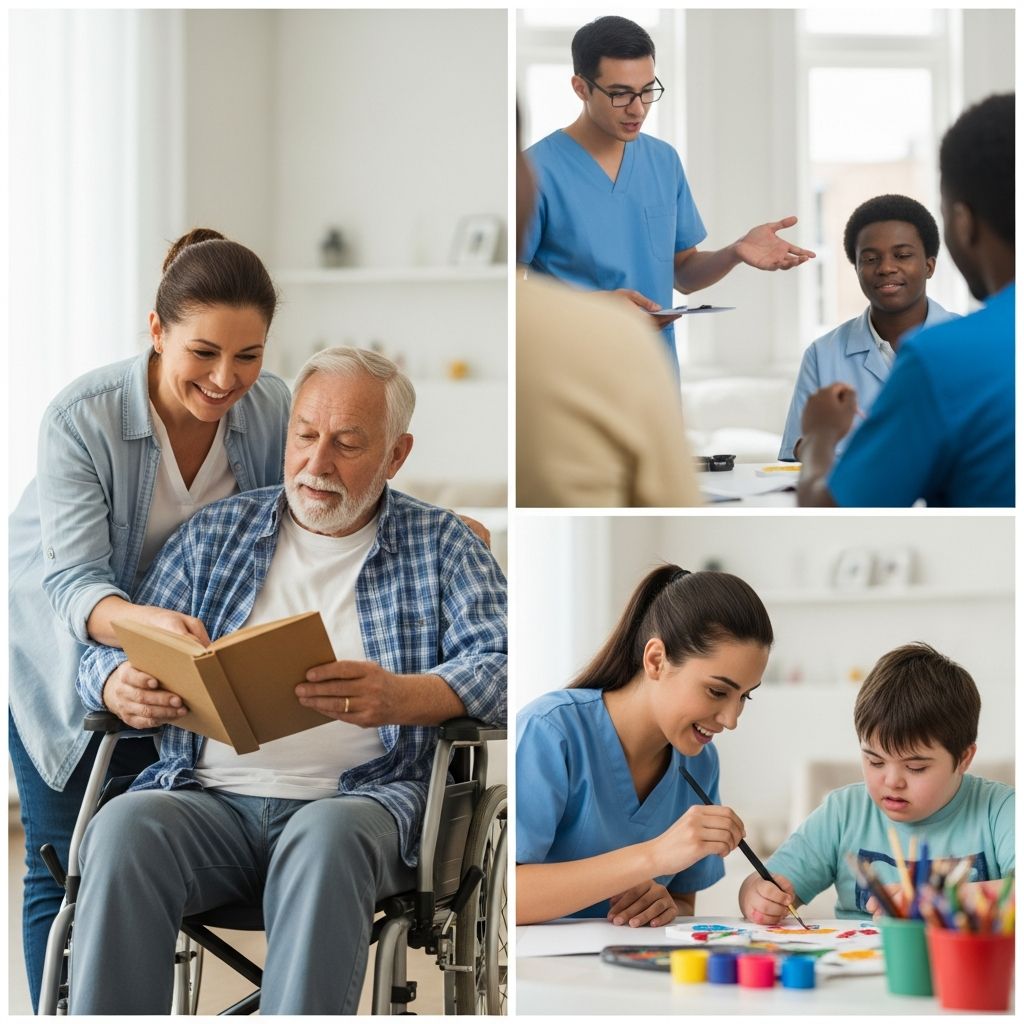
Caregiving demands a unique blend of emotional intelligence, practical know-how, and resilience. Whether supporting family members or working professionally, mastering key skills ensures safe, dignified care that enhances quality of life. This guide outlines critical competencies, drawing from established caregiving principles to help you thrive in this rewarding yet challenging role.
Building Emotional Foundations in Care
At the core of caregiving success are emotional skills that foster trust and connection. These abilities allow caregivers to respond to the human side of care, addressing feelings as much as physical needs.
Cultivating Deep Empathy
Empathy involves stepping into the care recipient’s perspective, recognizing their emotions, fears, and joys. This skill builds nurturing environments where individuals feel understood and valued. Caregivers who practice empathy deliver personalized support, adapting to unique emotional landscapes for more effective care.
- Observe facial expressions and body language to gauge unspoken feelings.
- Validate experiences by saying, “I can see this is tough for you.”
- Avoid judgment to encourage open sharing.
Mastering Patience Under Pressure
Patience enables calm handling of repetitive tasks, cognitive delays, or behavioral shifts. It prevents frustration, maintaining a steady presence during demanding moments like mobility assistance or routine disruptions.
Develop patience through mindfulness practices, such as deep breathing, which help sustain composure throughout long shifts or unpredictable days.
Enhancing Communication for Better Outcomes
Clear, compassionate communication bridges gaps between caregivers, recipients, families, and healthcare teams. It minimizes errors and maximizes coordination.
Active Listening Techniques
Active listening means fully focusing, maintaining eye contact, and reflecting back what was heard. This validates concerns and uncovers hidden needs, crucial for tailoring care plans.
| Listening Barrier | Solution |
|---|---|
| Distractions | Create a quiet space; put away devices. |
| Assumptions | Ask clarifying questions like “What do you mean by that?” |
| Interrupting | Wait for pauses before responding. |
Clear Expression and Documentation
Convey instructions simply, explain medical details accessibly, and document changes meticulously. Records of symptoms, medications, and appointments ensure seamless handoffs to professionals.
Practical Abilities for Daily Care Tasks
Beyond emotions, caregivers need hands-on skills to manage physical and logistical demands safely and efficiently.
Physical Endurance and Safe Handling
Tasks like lifting, bathing, or walking require strength and proper techniques to avoid injuries. Build stamina through regular exercise and use assistive tools like transfer belts.
- Learn body mechanics: Bend knees, keep back straight.
- Schedule breaks to prevent fatigue.
- Seek training in safe transfer methods.
Organization and Time Prioritization
Juggling medications, meals, and appointments demands structured planning. Tools like digital calendars or checklists keep routines on track, reducing oversights.
Example daily schedule:
| Time | Task |
|---|---|
| 7 AM | Medication and breakfast prep. |
| 9 AM | Personal hygiene assistance. |
| 12 PM | Lunch and light exercise. |
| 3 PM | Doctor appointment or rest period. |
Advanced Problem-Solving in Care Scenarios
Unexpected challenges test a caregiver’s ingenuity. Quick thinking resolves issues while prioritizing safety.
Observational Vigilance
Sharp observation detects subtle health shifts, like mood changes or vital sign variations. Early detection enables timely interventions, preventing escalations.
- Track patterns: Note appetite or sleep deviations.
- Report promptly to medical teams.
- Use journals for objective records.
Critical Thinking and Adaptability
Adapt to evolving needs, such as sudden mobility loss or dietary restrictions. Stay calm, assess risks, and collaborate for solutions.
In emergencies, follow protocols: Call services, provide first aid, and communicate details clearly.
Health Knowledge for Confident Care
Basic medical literacy empowers caregivers to monitor conditions, administer treatments, and liaise with experts.
Medication and Vital Monitoring
Understand dosages, side effects, and interactions. Check blood pressure, pulse, and temperature routinely to spot anomalies.
Wound Care and Hygiene Basics
Clean wounds gently, apply dressings, and promote hygiene to fend off infections. Training courses enhance these competencies.
Sustaining Caregiver Well-Being
Long-term success hinges on self-care to combat burnout. Resilient caregivers sustain high performance.
Resilience and Stress Management
Build resilience via support networks, hobbies, and boundaries. Recognize burnout signs like exhaustion and seek respite.
- Join caregiver groups for shared experiences.
- Practice self-compassion daily.
- Delegate tasks when possible.
Continuous Skill Development
Pursue certifications in CPR, dementia care, or ergonomics. Ongoing learning keeps skills sharp amid advancing care standards.
Common Challenges and Solutions
Caregivers face hurdles like resistance to care or resource scarcity. Proactive strategies mitigate these.
| Challenge | Solution |
|---|---|
| Emotional Resistance | Use empathy; involve in decisions. |
| Time Overload | Prioritize with lists; seek help. |
| Physical Strain | Ergonomic training; equipment use. |
Frequently Asked Questions (FAQs)
What are the most important skills for new caregivers?
Start with empathy, communication, and patience. These form the bedrock for all other abilities.
How can I improve my physical stamina for caregiving?
Incorporate strength training, stretching, and paced activities. Professional ergonomics workshops are invaluable.
Is formal training necessary for family caregivers?
While not always required, courses in basic health and safety boost confidence and outcomes.
How do I handle caregiver burnout?
Prioritize self-care, connect with support groups, and schedule regular breaks.
What tools help with organization in caregiving?
Apps for medication reminders, shared calendars, and checklists streamline daily management.
References
- Essential Skills Every Caregiver Should Have — A First Name Basis. 2023. https://afirstnamebasis.com/essential-skills-every-caregiver-should-have/
- Being a Caregiver: The Essential Skills for Quality Care — CareScout. 2024-01-15. https://www.carescout.com/resources/being-a-caregiver-the-essential-skills-for-quality-care-carescout
- 7 Essential Skills Every Home Care Worker Should Have — BCHC.ie. 2023-05-10. https://bchc.ie/carers/7-essential-skills-every-home-care-worker-should-have/
- Essential Skills for Family Caregivers — Americare NY. 2024. https://www.americareny.com/blog/essential-skills-for-family-caregivers/
- Mastering the Basics: 5 Essential Skills Every Personal Care Worker Should Perfect — CPCS Wisconsin. 2023-11-20. https://www.cpcswi.org/mastering-the-basics-5-essential-skills-every-personal-care-worker-should-perfect/

Medha Deb is an editor with a master's degree in Applied Linguistics from the University of Hyderabad. She believes that her qualification has helped her develop a deep understanding of language and its application in various contexts. Medha specializes in the areas of beauty, health, sports, and wellness and is committed to ensuring that the content on the website is…