
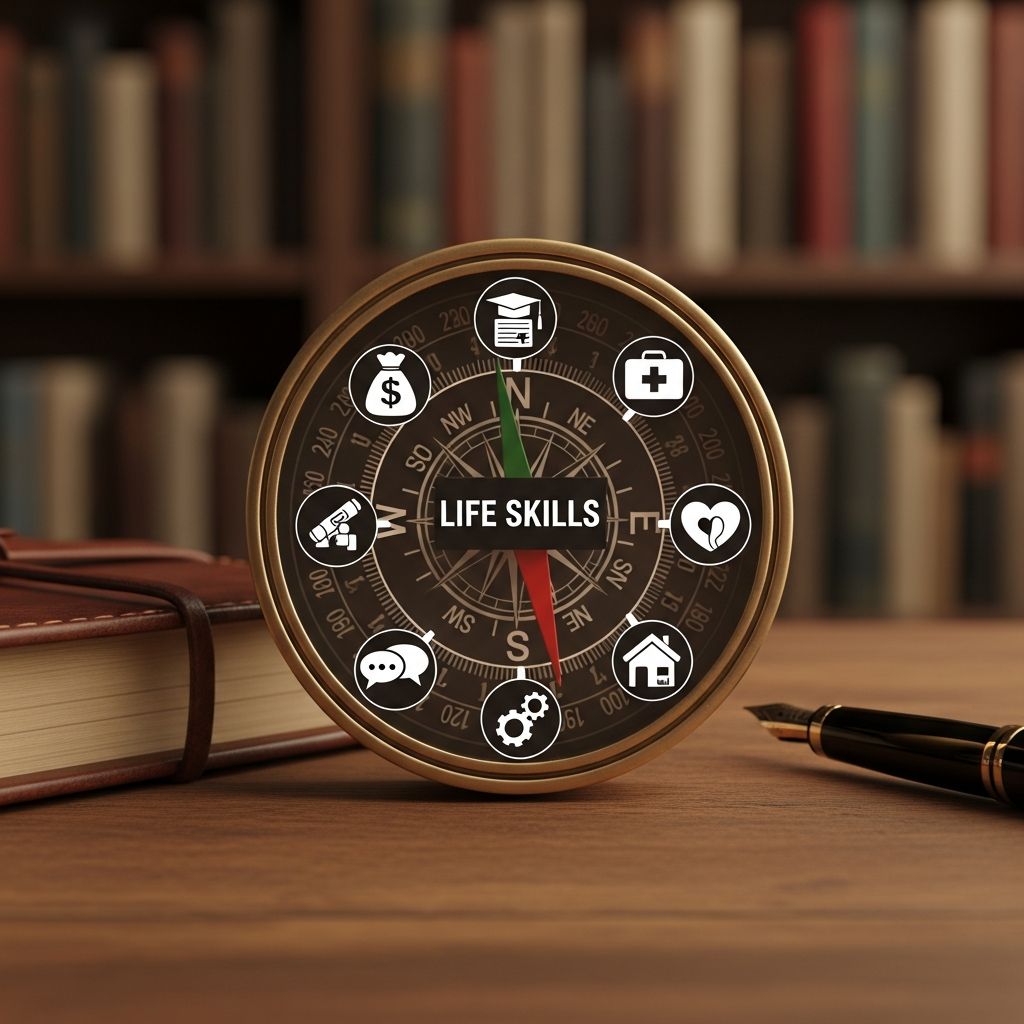
Developing a robust set of life skills equips individuals to handle daily challenges, foster meaningful relationships, and achieve long-term goals. These abilities span cognitive processes, emotional regulation, social interactions, and hands-on tasks, forming the foundation for personal independence and fulfillment.
Building a Strong Foundation: Core Skill Categories
Life skills are broadly classified into interconnected categories that support holistic growth. Social skills enhance interactions, cognitive skills sharpen reasoning, emotional skills promote resilience, and practical skills ensure self-sufficiency.
| Category | Key Examples | Benefits |
|---|---|---|
| Social Skills | Communication, empathy, cooperation | Stronger relationships, conflict resolution |
| Cognitive Skills | Critical thinking, decision-making, problem-solving | Better choices, innovative solutions |
| Emotional Skills | Stress management, anger control, self-awareness | Improved mental health, adaptability |
| Practical Skills | Financial management, home maintenance, health routines | Independence, efficiency |
These categories reinforce one another; for instance, effective communication aids problem-solving in group settings.
Mastering Social Interactions for Lasting Connections
Social proficiency is crucial for building networks and navigating communities. Key areas include clear communication, assertiveness, and empathy.
- Effective Communication: Convey ideas verbally, in writing, or through non-verbal cues. Practice active listening to ensure others feel understood, such as paraphrasing their points during conversations.
- Assertiveness: Express needs respectfully without aggression. Start with ‘I’ statements like ‘I feel overwhelmed when deadlines overlap’ to set boundaries calmly.
- Empathy and Cooperation: Understand others’ perspectives and collaborate. This fosters prosocial behavior, like offering help in team projects.
Regular practice, such as role-playing scenarios or joining group activities, builds these skills over time.
Sharpening Cognitive Abilities for Smart Decisions
Cognitive skills enable logical analysis and strategic thinking, essential for everyday problem-solving.
- Critical Thinking: Evaluate information objectively, questioning assumptions and identifying biases in media or peer influences.
- Decision-Making: Weigh options by listing pros, cons, and potential outcomes. Tools like decision matrices simplify complex choices.
- Problem-Solving: Break issues into steps: identify the problem, brainstorm solutions, implement, and review. Adaptability here is key for flexibility.
These skills prevent risky behaviors and promote sociability, as supported by research on targeted interventions.
Cultivating Emotional Resilience Against Daily Stressors
Emotional coping mechanisms help manage feelings, reduce stress, and maintain mental wellness.
- Stress and Anger Management: Recognize triggers like crowded environments and use techniques such as deep breathing or walks to de-escalate.
- Mental Health Awareness: Monitor emotions and seek support when needed. Healthy coping includes journaling or mindfulness exercises.
- Self-Management: Build self-monitoring habits, like tracking mood patterns to address anxiety proactively.
Interventions focusing on these areas improve self-regulation and prevent negative outcomes.
Practical Self-Reliance: Everyday Independence
Hands-on skills ensure autonomy in home, health, finance, and safety domains, vital for young adults transitioning to independence.
Home and Personal Management
- Clean and maintain living spaces daily, including laundry, dishwashing, and basic repairs like unclogging drains.
- Make a proper bed, fold linens, and manage waste to create organized environments.
Health and Grooming Routines
- Maintain hygiene: shower regularly, care for teeth, and dress appropriately for occasions.
- Prepare nutritious meals, read labels, store food safely, and incorporate leftovers creatively.
- Manage medications, schedule check-ups, and recognize health signals like fatigue.
Financial and Legal Basics
- Budget effectively: track income, expenses, and savings using simple spreadsheets.
- Read bank statements, understand accounts, and handle unexpected costs without panic.
- Create resumes, apply for jobs, and prepare for interviews with research and practice.
These routines build confidence and prevent common pitfalls like debt accumulation.
Navigating Transportation and Emergencies
Mobility and crisis response are non-negotiable for safe, independent living.
- Vehicle Maintenance: Check tire pressure, oil levels, and jumpstart batteries. Listen for unusual noises indicating repairs.
- Public Travel: Navigate airports, buses, or trains efficiently, arriving early and prepared.
- Emergencies: Handle power outages, weather events, or accidents calmly—keep kits with essentials like flashlights and first-aid.
Practice these through simulations or real-world trials to enhance readiness.
Fostering Relationships and Community Ties
Beyond basics, skills in networking and etiquette sustain support systems.
- Build social networks: Initiate conversations, remember names, and nurture friendships.
- Use community resources: Identify local services for health, jobs, or leisure.
- Practice manners: Write thank-you notes, set tables, and dine politely.
Leisure management—choosing meaningful hobbies—balances life and prevents burnout.
Strategies for Skill Development
To integrate these skills, adopt deliberate practices.
- Daily Reflection: Use journals or apps to assess progress, like rating communication effectiveness.
- Hands-On Learning: Tackle real tasks, from cooking to budgeting, gradually increasing complexity.
- Seek Feedback: Join workshops or mentors for assertiveness and leadership growth.
- Set Goals: Prioritize 3-5 skills quarterly, tracking via checklists.
Consistency yields results; research affirms targeted training boosts outcomes across categories.
Common Challenges and Solutions
| Challenge | Solution |
|---|---|
| Procrastination on tasks | Prioritize with to-do lists and timers |
| Social anxiety | Practice small interactions daily |
| Financial overwhelm | Start with 50/30/20 budgeting rule |
| Stress buildup | Incorporate 10-minute mindfulness breaks |
Frequently Asked Questions (FAQs)
What are the most important life skills for young adults?
Priority skills include communication, financial literacy, emotional regulation, and basic self-care, as they underpin independence.
How long does it take to develop life skills?
Progress varies; consistent practice over 3-6 months shows noticeable improvement, per skill-building studies.
Can adults learn these skills later in life?
Absolutely—neuroplasticity allows lifelong learning through deliberate practice and new experiences.
Where to start if overwhelmed?
Pick one category, like daily responsibilities, and master 2-3 skills before expanding.
Are life skills taught in schools?
Often limited; supplement with personal initiatives, online resources, or community programs.
References
- 2.4.1 Types of life skills — The Open University. 2023-01-15. https://www.open.edu/openlearncreate/mod/oucontent/view.php?id=63§ion=1.6.1
- 14 Life Skill Types — How Do I Build My Skills & Reach My Full … — R1 Learning. 2024-05-20. https://r1learning.com/blog/life-skills
- 100 Practical Life Skills That Every 18-Year-Old Should Have — Katherine Martinko, Substack. 2023-11-10. https://katherinemartinko.substack.com/p/100-practical-life-skills-that-every
- 50 Life Skills Every Young Adult Should Know — THSC. 2024-02-28. https://thsc.org/life-skills/
- Life Skills to Intentionally Teach your Children — Treehouse Schoolhouse. 2023-08-12. https://treehouseschoolhouse.com/blog/100-life-skills

- Integrated M.A. in Applied Linguistics, University of Hyderabad
- 5+ years in editorial, instructional, SEO, and research-based writing
Sneha is a relationships and lifestyle writer with a strong foundation in applied linguistics and certified training in relationship coaching. She brings over five years of writing experience to theskillvault, crafting thoughtful, research-driven content that empowers readers to build healthier relationships, boost emotional well-being, and embrace holistic living. Her writing and insights reflect the belief that beauty, happiness, and wellness…