
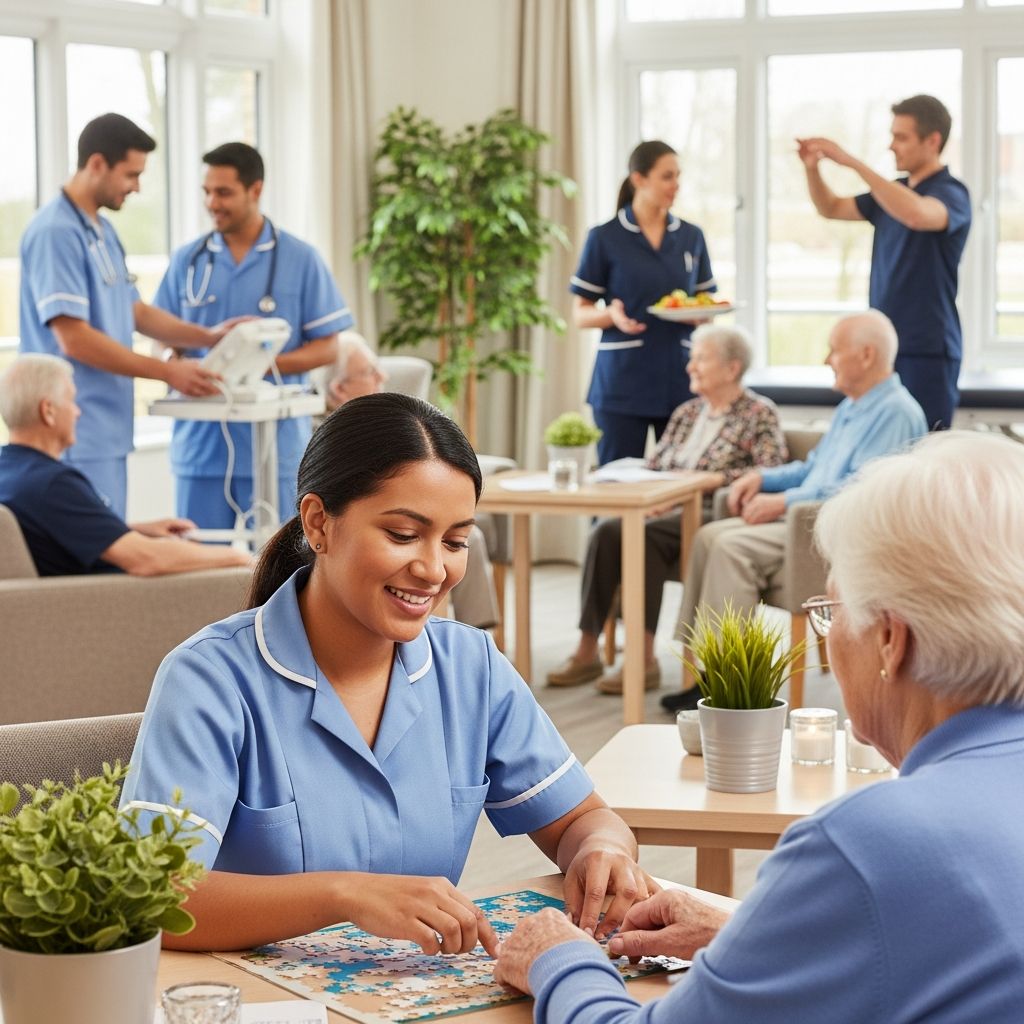
Care homes demand a unique blend of personal attributes and practical abilities from their staff. Professionals in this field support vulnerable residents with daily needs, emotional well-being, and health monitoring, requiring a strong foundation in interpersonal and operational competencies. This article delves into the key skills that distinguish outstanding care home workers, drawing from industry standards and expert insights to guide both newcomers and seasoned caregivers.
Building Emotional Connections: The Heart of Caregiving
At the core of effective care home work lies the ability to form genuine emotional bonds. Residents often grapple with isolation, chronic conditions, or cognitive challenges, making heartfelt engagement essential for their mental health.
- Empathy as a Daily Practice: Understanding and sharing in residents’ feelings fosters trust. Caregivers who actively listen and validate emotions help reduce anxiety and promote a sense of belonging.
- Compassion in Action: This goes beyond sympathy; it involves responsive actions like spending extra time during difficult moments or offering comforting presence during health scares.
Developing these traits starts with self-awareness. Regular reflection on interactions can sharpen emotional intelligence, enabling caregivers to anticipate needs before they are voiced.
Mastering Clear and Effective Communication
Daily interactions in care homes involve residents, families, colleagues, and medical teams. Precise communication prevents misunderstandings and ensures coordinated care.
Verbal skills allow caregivers to explain procedures simply, while non-verbal cues like body language convey reassurance. For residents with speech impairments or dementia, interpreting gestures or using visual aids becomes crucial.
| Communication Type | Key Techniques | Benefits in Care Homes |
|---|---|---|
| Verbal | Use simple language, confirm understanding | Reduces confusion during medication or routine explanations |
| Non-Verbal | Eye contact, gentle touch, facial expressions | Builds rapport with non-communicative residents |
| Written | Clear notes in care logs, family updates | Maintains accurate records for shift handovers |
Training programs emphasize active listening, where caregivers paraphrase resident concerns to confirm comprehension, enhancing overall satisfaction.
Navigating Leadership and Independent Decision-Making
Care homes operate as dynamic teams where staff at all levels may need to step into leadership roles. Whether supervising juniors or managing a shift solo, independence ensures smooth operations.
- Guiding teams through rotas and task delegation keeps workflows efficient.
- Independent judgment shines in emergencies, like prioritizing urgent calls or adapting plans on the fly.
Senior roles, such as managers, oversee compliance with regulations from bodies like the U.S. Bureau of Labor Statistics, which highlight the need for proactive oversight in aide roles.
Cultivating a Resilient and Positive Mindset
The fast-paced environment of care homes tests mental fortitude. A upbeat attitude not only sustains personal well-being but also uplifts residents.
Positivity manifests in encouraging words during rehab sessions or celebrating small victories, countering the monotony of institutional life. Resilience helps caregivers rebound from setbacks, such as challenging behaviors, maintaining professionalism.
Exceptional care workers view obstacles as growth opportunities, fostering a contagious enthusiasm that improves team morale and resident outcomes.
Prioritizing Organization and Time Efficiency
With multiple residents and tasks—from meals to medications—staying organized is non-negotiable. Effective time management prevents oversights and burnout.
- Prioritize tasks using tools like daily planners or digital apps.
- Flexibility allows quick pivots, such as covering for absent colleagues.
Reliability builds resident confidence; consistent routines provide stability, especially for those with dementia. Federal training mandates, including 75 hours for home health aides, underscore the importance of structured approaches.
Ensuring Physical Preparedness and Safety
Caregiving involves hands-on support, demanding stamina and strength. Lifting, transferring, and assisting with mobility require proper techniques to avoid injuries.
Core physical skills include:
- Hoist operation and safe transfers.
- CPR and basic life support, often required certifications.
- Endurance for long shifts, promoting personal fitness routines.
Employers prioritize candidates with these abilities, as they directly impact resident safety and care quality.
Honing Problem-Solving and Calm Under Pressure
Unexpected issues arise daily, from medical episodes to interpersonal conflicts. Critical thinking enables swift, safe resolutions.
Steps for effective problem-solving:
- Assess the situation objectively.
- Identify root causes and options.
- Implement and monitor solutions.
Staying composed de-escalates tensions, as noted in caregiver training guidelines.
Embracing Diversity and Professional Integrity
Care homes serve diverse populations, necessitating cultural competence and unwavering ethics.
- Respect varying beliefs and backgrounds without judgment.
- Uphold confidentiality and moral standards in all interactions.
Professionalism includes meticulous record-keeping and adherence to protocols, aligning with ethical codes from organizations like the National Council on Certified Dementia Practitioners.
Observation and Adaptive Care Planning
Vigilant monitoring detects subtle health shifts, informing timely interventions. Caregivers contribute to personalized plans by noting changes in mobility, appetite, or mood.
This skill integrates with basic medical knowledge, such as vital checks and medication oversight, per BLS occupational guidelines.
Continuous Learning and Career Advancement
Outstanding caregivers pursue ongoing education, from certifications to specialized training in dementia or palliative care. Many roles require no prior qualifications, but enthusiasm for development accelerates progression.
Resources like MedCerts programs build competencies in independent living support and disability care.
Frequently Asked Questions (FAQs)
What qualifications are needed for care home jobs?
Most entry-level positions require a high school diploma and on-the-job training. Advanced roles may need certifications like CPR or 75 hours of supervised practice.
How can I improve my empathy in caregiving?
Practice active listening, volunteer in diverse settings, and reflect on resident perspectives daily.
Is physical strength essential for all care roles?
Yes, for hands-on tasks, but tools like hoists assist, and roles vary by facility.
What makes a care home worker stand out?
A blend of reliability, positivity, and adaptability, coupled with strong communication.
Are care home shifts flexible?
Often yes, but reliability is key; expect varied hours including nights and weekends.
References
- 10 Skills Required to Be a Home Health Aide — FHCA Orlando. 2023. https://www.fhcaorlando.com/blog/home-health-aide-skills
- A Skills Checklist to Becoming a Direct Care Worker — MedCerts. 2023. https://medcerts.com/blog/a-skills-checklist-to-becoming-a-direct-care-worker
- 11 Skills & Qualities Needed to Work in a Care Home — Skills You Need. 2023. https://www.skillsyouneed.com/rhubarb/skills-care-home.html
- 20 Skills & Qualities to Be a Great Care Assistant — Alina Homecare. 2023. https://jobs.alinahomecare.com/care-assistant-jobs/care-assistant-skills/
- Home Care Workers: Duties, Qualifications — AgingCare. 2023. https://www.agingcare.com/articles/home-care-workers-478430.htm
- 8 Essential Caregiver Skills You Need To Succeed — NCCDP. 2023. https://www.nccdp.org/8-essential-caregiver-skills-you-need-to-succeed/
- Home Health and Personal Care Aides — U.S. Bureau of Labor Statistics. 2025-05-29. https://www.bls.gov/ooh/healthcare/home-health-aides-and-personal-care-aides.htm

- Integrated M.A. in Applied Linguistics, University of Hyderabad
- 5+ years in editorial, instructional, SEO, and research-based writing
Sneha is a relationships and lifestyle writer with a strong foundation in applied linguistics and certified training in relationship coaching. She brings over five years of writing experience to theskillvault, crafting thoughtful, research-driven content that empowers readers to build healthier relationships, boost emotional well-being, and embrace holistic living. Her writing and insights reflect the belief that beauty, happiness, and wellness…