
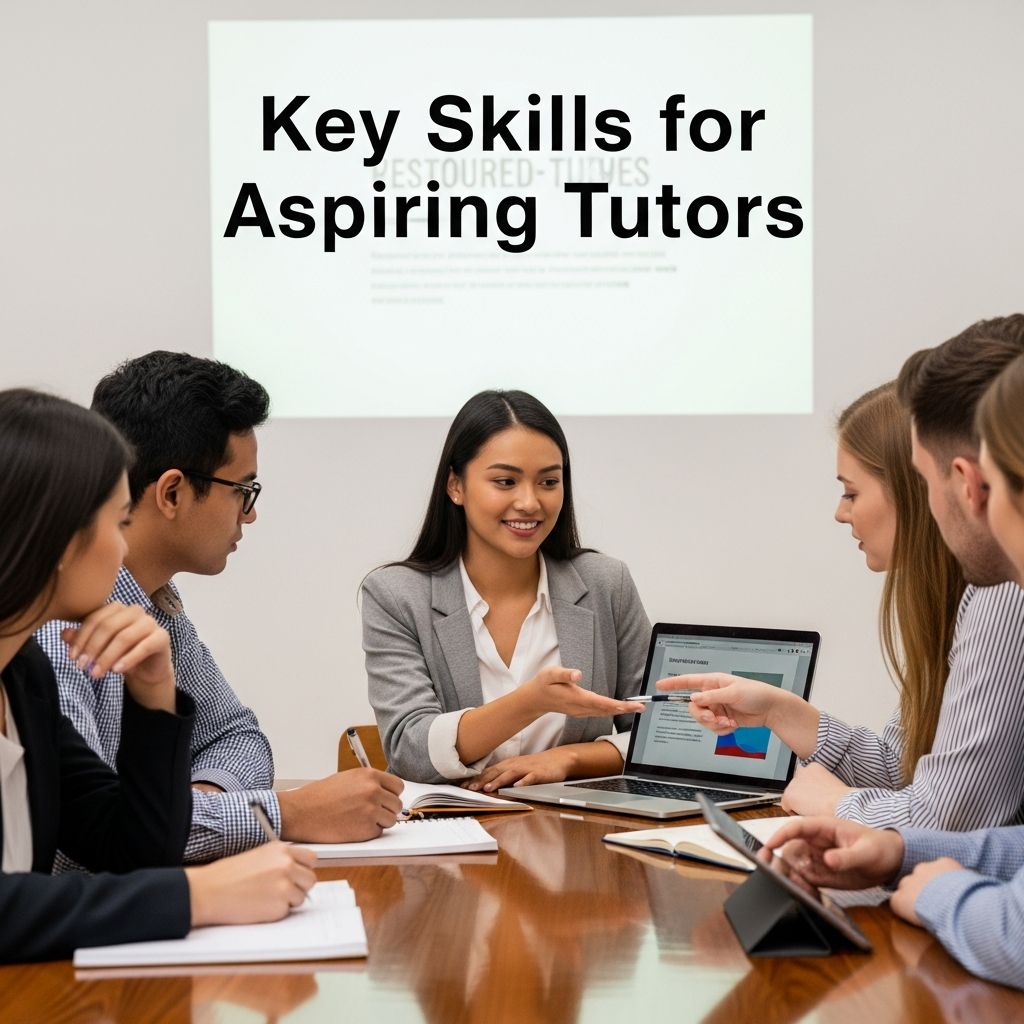
Entering the world of tutoring demands more than just knowing your subject inside out. It requires a unique blend of interpersonal strengths, instructional expertise, and personal qualities that foster student growth. This comprehensive guide explores the foundational abilities that distinguish outstanding tutors, drawing from proven educational practices to help you prepare for a fulfilling career in one-on-one or group instruction.
Building a Strong Foundation: Subject Mastery and Preparation
The cornerstone of effective tutoring lies in possessing deep, accurate knowledge of the topics you teach. Tutors must go beyond rote memorization to understand concepts thoroughly, enabling them to simplify complex ideas and address misconceptions swiftly.
Preparation amplifies this expertise. Successful tutors arrive at sessions with meticulously planned lessons that include clear objectives, engaging activities, and assessment strategies. This organization not only maximizes session efficiency but also instills confidence in students and parents alike.
- Review curriculum standards and common student pitfalls before each session.
- Develop flexible lesson outlines that can adapt to real-time needs.
- Incorporate multimedia resources or real-world applications to enhance retention.
Table: Preparation Checklist for Tutors
| Step | Action | Benefit |
|---|---|---|
| 1. Research | Gather materials on key topics | Ensures content accuracy |
| 2. Objectives | Set 2-3 measurable goals | Focuses session direction |
| 3. Activities | Plan interactive exercises | Boosts engagement |
| 4. Assessment | Include quizzes or feedback loops | Tracks progress |
Mastering Communication: The Bridge to Understanding
Clear, concise verbal and written communication is indispensable. Tutors must articulate ideas without jargon, using analogies and examples tailored to the learner’s context. Active listening complements this by allowing tutors to gauge comprehension and adjust explanations dynamically.
Non-verbal cues, such as maintaining eye contact and using encouraging body language, further enhance interactions. In virtual settings, proficiency with digital tools ensures seamless delivery.
- Use open-ended questions to promote critical thinking: “How would you apply this formula?”
- Provide constructive feedback that highlights strengths before areas for improvement.
- Summarize key points at session end for reinforcement.
Cultivating Patience and Empathy: Emotional Intelligence in Action
Students approach tutoring at varying paces and with diverse challenges, making patience non-negotiable. Remaining calm during frustration helps model resilience and prevents discouragement.
Empathy deepens this by allowing tutors to connect emotionally, recognizing when a learner feels overwhelmed or lacks confidence. This supportive stance builds trust and motivates persistence.
Practical strategies include acknowledging efforts (“I see how hard you’re working on this”) and validating feelings (“It’s normal to find this tricky at first”).
Adaptability: Tailoring Instruction to Individual Learners
No two students learn identically, so adaptability is key. Great tutors diagnose learning styles—visual, auditory, kinesthetic—and pivot methods accordingly.
For instance, a visual learner might benefit from diagrams, while a kinesthetic one thrives with hands-on simulations. Regular progress checks enable ongoing customization.
- Observe initial responses to gauge preferences.
- Experiment with multiple approaches in early sessions.
- Solicit student input: “What helps you learn best?”
Leadership, Motivation, and Building Relationships
Tutors often lead small groups, requiring skills to guide discussions, delegate tasks, and maintain focus. Beyond structure, inspiring intrinsic motivation through enthusiasm and goal-setting turns sessions into transformative experiences.
Fostering authentic relationships via rapport creates safe spaces for vulnerability and growth. Confidentiality upholds this trust, ensuring personal details remain private.
Problem-Solving and Critical Thinking Promotion
Effective tutors empower students to solve problems independently rather than providing answers. Techniques like Socratic questioning (“What happens if we change this variable?”) cultivate analytical skills.
Addressing roadblocks involves breaking tasks into steps, brainstorming alternatives, and celebrating incremental successes.
Organization and Time Management: Professional Polish
Managing schedules across multiple students demands robust time management. Tools like calendars and progress trackers keep everything on course.
Prioritizing high-impact activities ensures sessions end productively, respecting everyone’s time.
| Tool | Use Case | Advantage |
|---|---|---|
| Digital Calendar | Session scheduling | Automated reminders |
| Progress Tracker | Student monitoring | Data-driven adjustments |
| Task Apps | Prep lists | Streamlined workflow |
Ethical Practices: Confidentiality and Professionalism
Upholding confidentiality protects student privacy, fostering open dialogue. Professionalism extends to punctuality, respectful interactions, and continuous self-improvement through training.
Assessing Progress: Data-Driven Improvement
Regular evaluations via quizzes, discussions, or portfolios measure growth and inform adjustments. Sharing insights with students reinforces accountability and excitement.
Frequently Asked Questions
How do I develop strong subject knowledge as a new tutor?
Immerse yourself in resources like textbooks, online courses, and peer-reviewed materials. Practice explaining concepts aloud to identify gaps.
What if a student is disengaged during sessions?
Inject enthusiasm, relate material to their interests, and incorporate interactive elements. Build rapport to uncover underlying issues.
How can I improve my adaptability in tutoring?
Study diverse learning theories and experiment with methods. Reflect post-session on what worked.
Why is active listening crucial for tutors?
It builds trust, reveals misunderstandings, and personalizes instruction effectively.
How do I handle group tutoring dynamics?
Use inclusive leadership: assign roles, facilitate discussions, and ensure equal participation.
Conclusion: Your Path to Tutoring Excellence
By honing these skills, aspiring tutors can create impactful learning journeys. Start small, seek feedback, and commit to growth for lasting success.
References
- 10 Must-Have Tutoring Skills — Indeed.com. 2023-10-01. https://www.indeed.com/career-advice/career-development/tutoring-skills
- The Skills That Make Great Tutors and How to Showcase Them — Prosper Teaching. 2026-03-01. https://www.prosperoteaching.com/blog/2026/03/the-skills-that-make-great-tutors-and-how-to-showcase-them
- Essential Skills and Tips for a Successful Tutoring Career — Bolt Jobs. 2024-05-15. https://www.boltjobs.com/blog/essential-skills-tips-successful-tutoring-jobs
- Top 5 Tutor Skills You Need to Succeed — Practice.org. 2023-08-20. https://practice.org/tutor_blog/tutor-skills/
- 10 Signs Your Teaching Skills Say You Can Be a Tutor — Prep Academy Tutors. 2024-02-10. https://prepacademytutors.com/signs-your-teaching-skills-say-you-can-be-a-tutor/

Medha Deb is an editor with a master's degree in Applied Linguistics from the University of Hyderabad. She believes that her qualification has helped her develop a deep understanding of language and its application in various contexts. Medha specializes in the areas of beauty, health, sports, and wellness and is committed to ensuring that the content on the website is…