
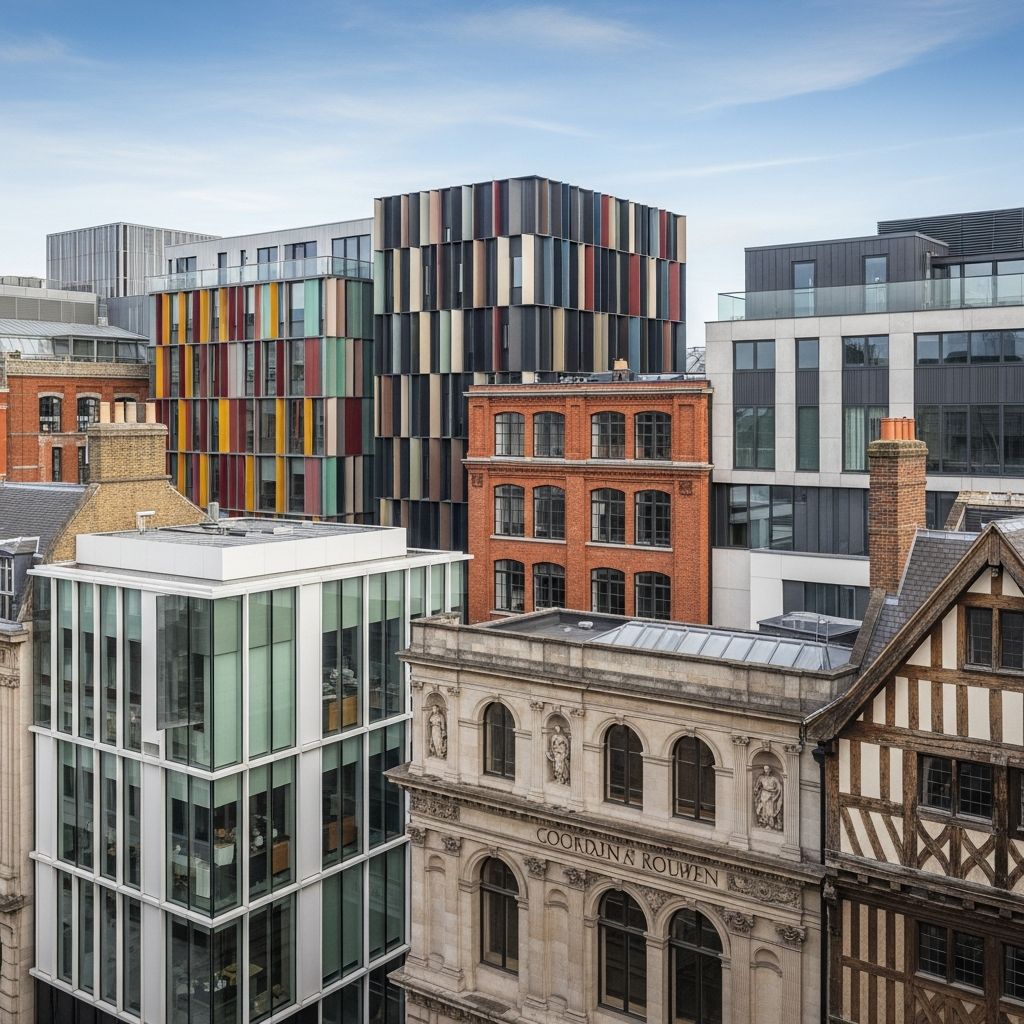
Building facades represent the outer layer of any structure, serving as both a protective barrier and a visual signature that defines its presence in the urban environment. These elements combine functionality with artistry, shielding interiors from weather while contributing to aesthetic appeal and energy efficiency.
The Fundamental Role of Facades in Architecture
A facade is fundamentally the exterior face of a building, most commonly the front elevation facing public spaces, but it can encompass any outer surface exposed to the elements. Derived from the French term ‘façade’ meaning ‘face,’ it has been a cornerstone of architectural design since the 16th century, emphasizing the importance of a structure’s first impression.
Beyond aesthetics, facades perform critical tasks: they act as the primary defense against rain, wind, snow, and solar radiation, often incorporating insulation, ventilation, and structural support. In modern contexts, they enhance energy performance through advanced materials that regulate temperature and light, reducing reliance on mechanical systems.
Facades interact dynamically with their surroundings, influencing not just the building but the broader cityscape. A thoughtfully designed facade can harmonize with neighboring structures, create visual landmarks, or even convey cultural narratives through patterns and motifs.
Historical Development of Facade Designs
The evolution of facades mirrors broader architectural shifts. In Gothic architecture from the 12th century, facades featured towering arched entrances and intricate rose windows, blending grandeur with structural innovation. Renaissance periods emphasized symmetry and classical proportions, drawing from ancient Roman and Greek ideals.
The Industrial Revolution introduced new materials like iron and glass, paving the way for expansive facades in structures like London’s Crystal Palace. The 20th century brought modernism, with figures like Le Corbusier advocating for facades as ‘skins’—lightweight, non-load-bearing envelopes that prioritized function over ornamentation.
Today, post-modern and contemporary designs revisit historical motifs while integrating technology, resulting in facades that are responsive to environmental changes. This progression underscores how facades adapt to technological advances and societal needs.
Primary Functions and Performance Criteria
Modern facades must balance multiple performance criteria. Primarily, they provide weather resistance, preventing water ingress through systems like rainscreens, which create an air gap for moisture evaporation. Thermal insulation is equally vital, with layers of materials maintaining comfortable indoor climates and minimizing energy loss.
Daylighting and views are facilitated by strategic window placements, known as fenestration, which optimize natural light while controlling glare. Acoustic insulation protects against urban noise, and fire resistance ensures safety through non-combustible materials.
Sustainability has elevated facades’ role in energy efficiency. High-performance glazing and ventilated systems reduce heating and cooling demands, contributing to green building certifications like LEED.
Categories of Facade Systems
Facades are classified by weight, construction method, and functionality. Understanding these categories helps architects select optimal solutions for specific projects.
Heavyweight vs. Lightweight Facades
Heavyweight facades, weighing over 100kg per square meter, include load-bearing masonry or concrete walls that form part of the structure’s skeleton. They offer excellent thermal mass, absorbing and releasing heat slowly, ideal for stable climates.
Lightweight facades, conversely, are non-structural ‘curtain walls’ hung from the frame, using glass, metal panels, or composites. These enable larger spans and flexibility but require robust seals against weather.
Key Types of Modern Facades
| Type | Description | Advantages | Applications |
|---|---|---|---|
| Curtain Wall | Non-load-bearing panels of glass or metal suspended by mullions | Expansive glazing, quick installation | High-rises, offices |
| Rainscreen | Ventilated outer layer over a sealed inner barrier | Superior moisture control, durability | Coastal or rainy regions |
| Cladding | Thin outer sheets (e.g., metal, stone veneer) | Aesthetic versatility, lightweight | Residential, commercial |
| Double-Skin | Two layered facades with cavity for air flow | Energy efficiency, noise reduction | Sustainable skyscrapers |
| Green/Vegetated | Integrated living walls or planters | Insulation, biodiversity | Eco-buildings |
These types cater to diverse needs, from urban commercial towers favoring curtain walls to eco-projects embracing green facades.
Materials Shaping Contemporary Facades
- Glass: From tempered to low-emissivity coatings, enabling transparency with thermal control.
- Metals: Aluminum, steel, or perforated sheets for durability and modern aesthetics.
- Stone and Brick: Natural or engineered for timeless appeal and mass.
- Composites: Fiber-reinforced panels combining strength and lightness.
- Advanced: ETFE cushions or photovoltaics for innovation.
Material selection hinges on climate, budget, and design intent, with sustainability driving choices like recycled content.
Design Principles for Effective Facades
Successful facades achieve harmony through proportion, rhythm, and scale, ensuring visual balance. Context matters—facades should respond to site conditions, blending with or contrasting surroundings thoughtfully.
Innovation includes dynamic elements like kinetic panels that adjust to sun angles or smart glass that tints electronically. Proportionate fenestration prevents overheating while maximizing views.
Innovations Driving Facade Evolution
Recent advancements feature parametric design, using algorithms for complex geometries, as seen in Beijing’s Bird’s Nest Stadium. Building-Integrated Photovoltaics (BIPV) turn facades into energy generators.
Responsive facades employ sensors for real-time adaptation, enhancing comfort and efficiency. 3D printing enables bespoke panels, reducing waste.
Challenges in Facade Engineering
Despite progress, challenges persist: thermal bridging causes energy loss, while maintenance access in high-rises is complex. Costly high-performance materials demand lifecycle analysis to justify investments.
Regulatory compliance for wind loads, seismic activity, and fire safety requires rigorous testing. Climate change intensifies demands for resilient designs against extreme weather.
Frequently Asked Questions (FAQs)
What distinguishes a facade from cladding?
A facade is the entire external envelope, while cladding is the protective outer layer applied to it.
Which facade type is best for energy efficiency?
Double-skin or ventilated facades excel, promoting natural airflow and insulation.
How do facades contribute to sustainability?
Through insulation, daylighting, and integrated renewables, reducing operational carbon.
Can facades be load-bearing?
Yes, heavyweight types like masonry support structure; most modern ones are not.
What role does a facade play in urban design?
It shapes city aesthetics, pedestrian experience, and environmental performance.
Future Directions in Facade Technology
Looking ahead, facades will integrate AI for predictive maintenance and biomimicry for self-healing materials. Net-zero goals push multifunctional systems generating more energy than consumed. Urban farming facades could revolutionize food production in dense cities.
Customization via digital fabrication will democratize high-design facades, making sustainable excellence accessible. These trends promise buildings that are smarter, greener, and more adaptive.
References
- Facade – Chicago Architecture Center — Chicago Architecture Center. 2023. https://www.architecture.org/online-resources/architecture-encyclopedia/facade
- What Is a Facade in Construction? Types & Modern Design — ANB Metal. 2024. https://www.anbmetal.com/what-is-a-facade-in-construction
- Façade Design Principles for Beginners: Systems, Types — Archisoup. 2023. https://www.archisoup.com/understanding-facade-architecture
- Building Facade | Definition, Characteristics & Types — Study.com. 2024. https://study.com/academy/lesson/video/facade-in-architecture-definition-design.html
- Types of facades for buildings — Cupa Pizarras. 2023. https://www.cupapizarras.com/usa/news/types-of-facades/
- What is a façade in architecture? — Maple Facades. 2024. https://maplefacades.co.uk/news-and-insights/what-is-a-facade-types-of-facade

- Integrated M.A. in Applied Linguistics, University of Hyderabad
- 5+ years in editorial, instructional, SEO, and research-based writing
Sneha is a relationships and lifestyle writer with a strong foundation in applied linguistics and certified training in relationship coaching. She brings over five years of writing experience to theskillvault, crafting thoughtful, research-driven content that empowers readers to build healthier relationships, boost emotional well-being, and embrace holistic living. Her writing and insights reflect the belief that beauty, happiness, and wellness…